

Changing the Human Genome: What Next for Germline Genome Editing?
PET's latest online event discussed the recently published reports from the World Health Organisation on human genome editing...
Describes a cell capable of developing into any type of cell or tissue except those that form a placenta or embryo.

PET's latest online event discussed the recently published reports from the World Health Organisation on human genome editing...
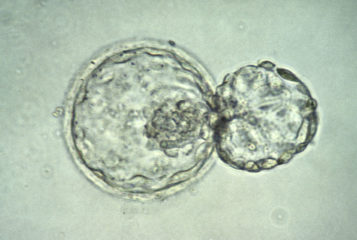
Key molecular events regulating early embryo development have been revealed for the first time...
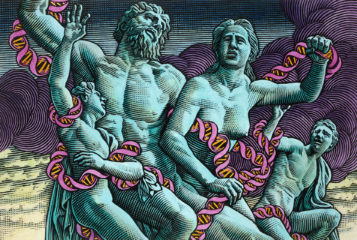
On 15 April 2021, the journal Cell published a paper reporting the creation of part monkey, part human embryos...
Students of bioethics sometimes imagine that the philosophical, moral and legal status of the human embryo is reducible to the single question: 'Is the human embryo a person?'...
Early embryonic germ cells, which fail to develop into sperm cells, may later become testicular cancer cells, a study in mice has shown...
Recently there have been some phenomenal reports describing the ability to generate human embryo-like entities directly from stem cells, circumventing the need for eggs and sperm...
Over two weeks in March, four teams reported the self-assembly from stem cells of structures resembling human embryos...
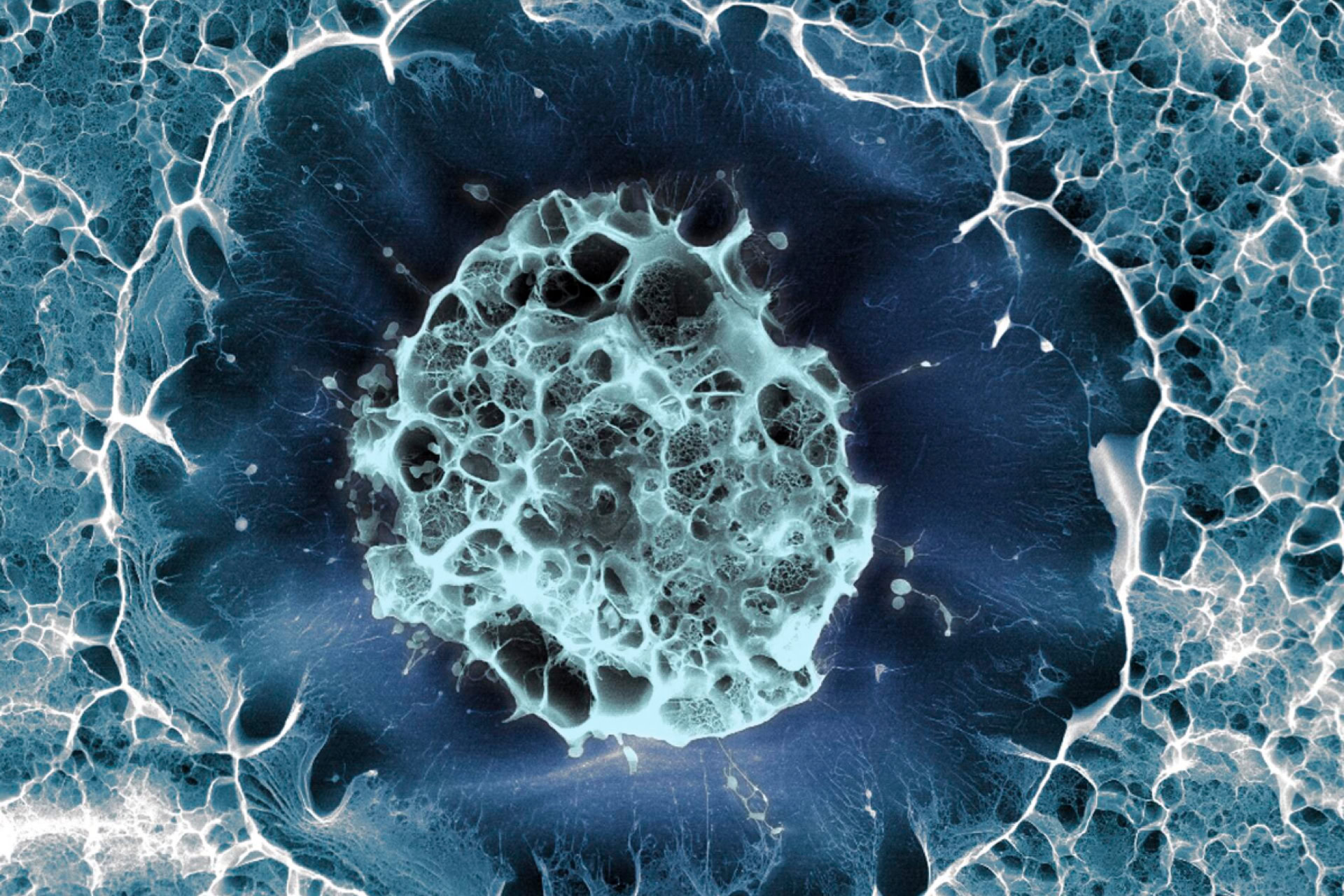
Development of a new 'intermediate' embryonic stem cell type, able to generate gamete cells and chimeras, could lead to advances in regenerative medicine and reproductive biology...
Chromosome ends are protected differently in stem cells compared to adult cells...
New research into how embryonic stem cells renew themselves could pave the way for tissue and organ regeneration therapies...