

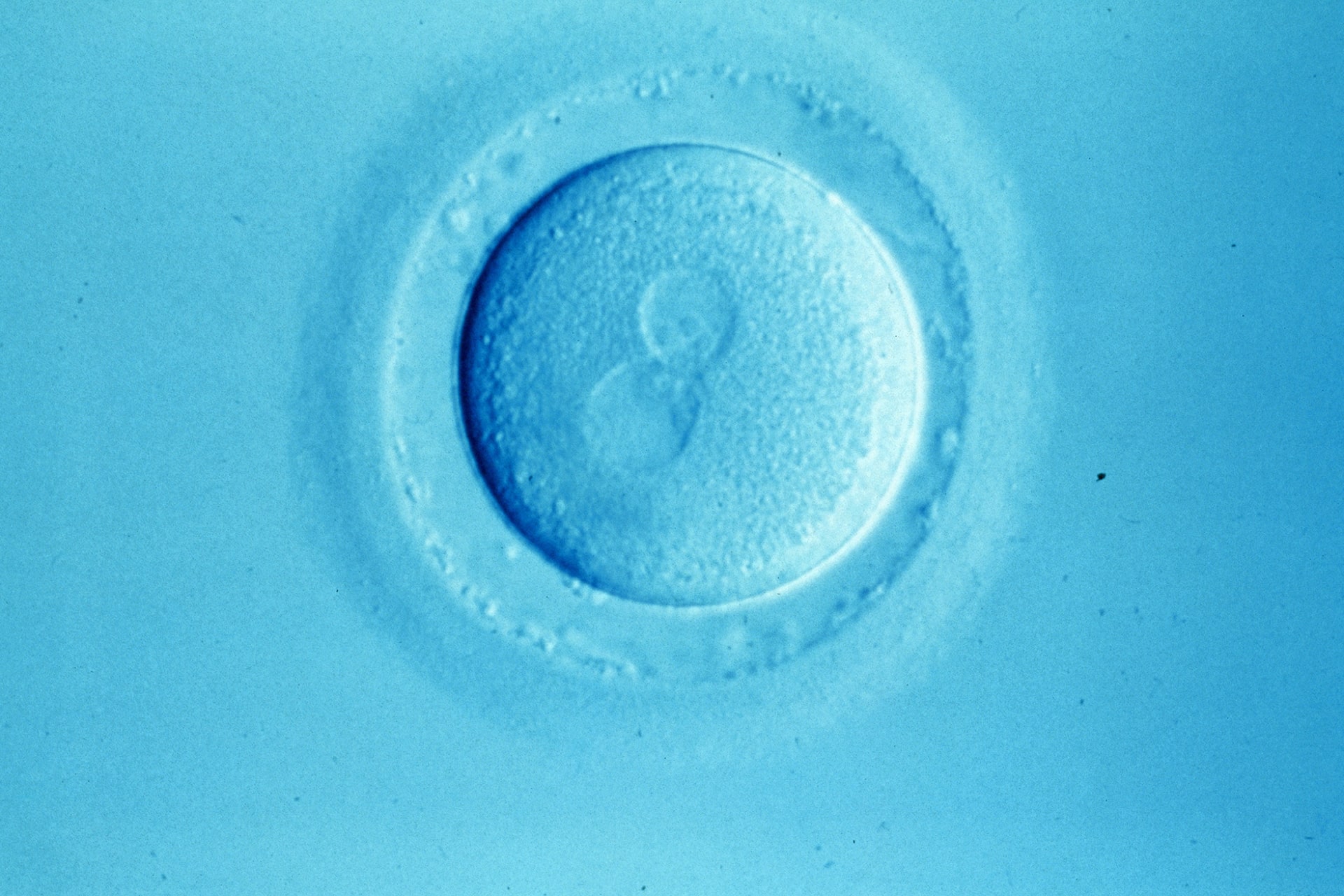
Consumption of 'ultra-processed' food emerges as a potential negative factor for male fertility and early pregnancy.
An observational study conducted by researchers at Erasmus Medical Centre in Rotterdam, the Netherlands, examined the eating habits and fertility outcomes of 831 women and 651 male partners, with a focus on ultra-processed food (UPF). The results, published in Human Reproduction, showed an association between UPF-rich diets and lower measures of fertility in men (specifically, a lower likelihood of conceiving within one month, and a greater risk of subfertility). In women, higher UPF consumption was linked to slightly smaller embryos and yolk sacks at seven weeks of gestation, with this effect lessening at nine and 11 weeks.
'Even though UPFs are so common in our diets, very little is known about their potential relationship with fertility outcomes, and early human development,' said study coauthor Dr Romy Gaillard, a paediatrician and associate professor of developmental epidemiology at Erasmus Medical Centre.
The researchers assessed dietary habits via a questionnaire, using the NOVA Food Classification System to identify UPF consumption. This term typically refers to foods formed of ingredients obtained via industrial techniques and processes, such as energy drinks or confectionery. Regression models were then applied to identify correlations between UPF consumption levels and various fertility measures, including results from ultrasounds conducted in the first trimester.
Experts not involved in this work, as well as the authors themselves, caution against over-interpreting the results of this study, which should serve as a preliminary exploration into the relationship between UPF and reproductive outcomes.
'Our study shows for the first time that UPF consumption in men and women is associated with fertility outcomes and early human development, but also has limitations,' said Dr Gaillard. 'Importantly, as this is an observational study, our study shows associations, but cannot prove direct causal effects of UPF consumption on these early life outcomes.'
Observational studies are prone to several challenges that limit their interpretation, including selection bias (when the sample does not accurately reflect the general population), and failure to account for certain factors that may explain the observed outcomes. Relying on questionnaires to assess diet can also be flawed.
'These results are interesting, but there are several reasons to be caution interpreting them. First, we have no way of knowing whether it is UPF itself, or some other behaviour that is linked with the things they observed. Secondly, the differences observed are tiny, and hardly significant compared with measures such as weight loss,' said Professor Channa Jayasena, clinical professor in reproductive endocrinology and andrology at Imperial College London, who was not involved in the research. 'This means that even if UPF are causing reproductive problems, their impact on individuals appears very small indeed.'
Sources and References
-
Ultra-processed foods are linked to reduced fertility and embryonic development: First study to look at combined impact of diet in both men and women
-
Periconceptional ultra-processed food consumption in women and men, fertility, and early embryonic development
-
Ultra processed foods linked to infertility and pregnancy issues, study says
-
Common foods linked to reduced male fertility and slower embryo growth
-
UPFs before conception may shape fertility and embryo growth
-
Ultra-processed foods may impact fertility
Related Articles

Exposure to air pollution during pregnancy could affect reproductive development of sons
Exposure of pregnant women to air pollution could affect the development of the sex organs of their sons in ways that have been linked to fertility later in life...
Podcast Review: Why Have Sperm Counts More Than Halved in the Past 40 years?
We've all been told that smoking, drinking too much and being overweight are bad for our overall health and can have a negative impact on our fertility...
Subfertility deserves attention, but not because it is a disease
Subfertility provides an example of why it can be so difficult to determine exactly what makes something a disease...
Shift work and manual labour lower women's fertility
Women who have physically demanding jobs or non-daytime working hours may experience decreased fertility, according to a study...