

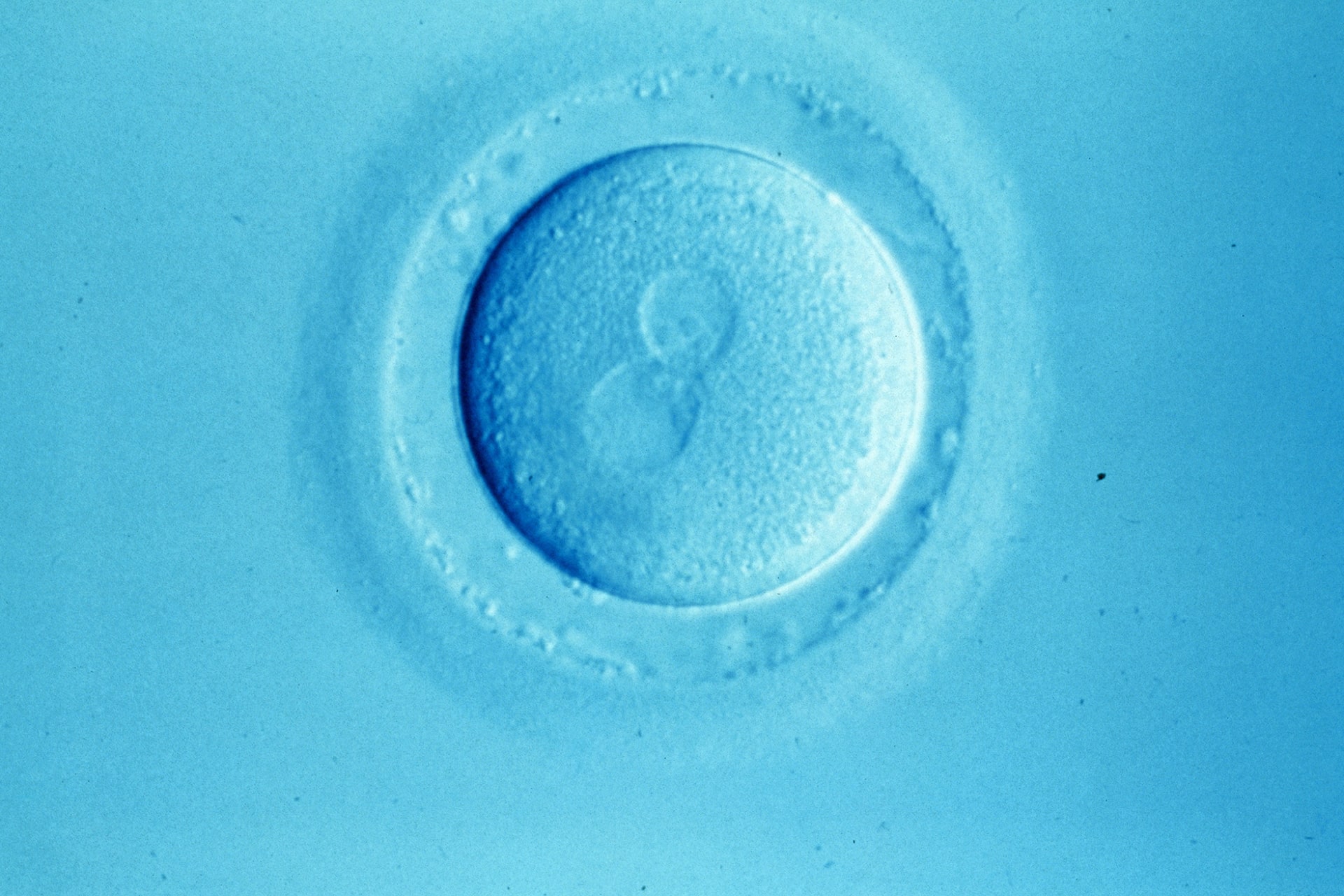
The first UK patient has had his testicular tissue transplanted back; it was frozen prior to chemotherapy he had as a child.
Some treatments for cancer or blood conditions such as sickle cell disease can damage the cells which produce sperm, impacting fertility. Adult men can freeze sperm prior to chemotherapy, but this is not possible before puberty. The unnamed 19-year-old had testicular tissue containing sperm precursor cells frozen three years ago, before undergoing chemotherapy and a bone marrow transplant. Clinicians in Edinburgh have now transplanted this tissue back into his body, in hopes that he will be able to produce viable sperm.
'We began a research programme in 2014 to preserve fertility in boys before they start chemotherapy,' study leader Professor Rod Mitchell from the Centre for Reproductive Health at the University of Edinburgh told BioNews. 'The study involved freezing a piece of the testicle before treatment, and we are beginning to see some of these young men return to explore their fertility options. This study offers real hope for future fertility in boys facing cancer treatment.'
When the patient's semen was tested after chemotherapy, it did not contain sperm. However, the frozen testicular tissue contains the stem cells needed for sperm production after puberty. Earlier this year, a patient in Belgium who had undergone the same procedure later produced mature sperm (see BioNews 1338).
Clinicians will find out in the coming months whether the retransplanted tissue has enabled the patient to produce viable sperm. Even if he can, the researchers noted that fertility treatment – such as IVF or ICSI – may still be needed for him to start a family.
'I've always wanted to have children of my own, but at some point, I found myself starting to slowly accept that that might never be possible for me. Having this procedure has given me genuine hope for the future,' said the patient.
This young man is among over 1200 patients in the UK who have had testicular tissue stored, with the potential for future clinical use. The technique has not yet resulted in any human births, but builds on a previous study in monkeys. An embryo created using sperm from cryopreserved testicular tissue resulted in the birth of a healthy female monkey, named Grady (see BioNews 992).
Sources and References
Related Articles

FILM: Male Infertility – Today's Insights, Tomorrow's Treatments
This film documents a PET event featuring researchers and practitioners at the forefront of tackling male infertility, discussing the latest insights and pioneering research that could transform treatment in future...

Evidence of sperm production following testicular tissue transplant
Testicular tissue preserved before puberty shows signs of being capable to create sperm after being grafted back into the same patient in adulthood, a proof-of-concept study reports...
Male Infertility: Today's Insights, Tomorrow's Treatments
The most recent PET event took place in Edinburgh and brought together researchers, clinicians and members of the public to examine advances in understanding and treating male infertility...


Event Review: Talking Bollocks
'Twenty minutes of stand up comedy about testicles? Count me in,' writes Grace Forsyth from the Edinburgh Festival Fringe...
Man receives transplant of his frozen prepubescent testicular tissue
In a world first, doctors in Belgium have transplanted testicular tissue into an adult man after it was frozen prior to chemotherapy 16 years ago when he was a child...
Testicular tissue rejuvenation trial hoped for in Scotland
Pioneering research seeks to preserve fertility in boys and young men who undergo childhood cancer treatment...
Healthy monkey born from sperm from transplanted testes tissue
A healthy female monkey, called Grady, has been born using sperm isolated from transplanted testicular tissue, marking the first time a live primate has been produced using this technique...