

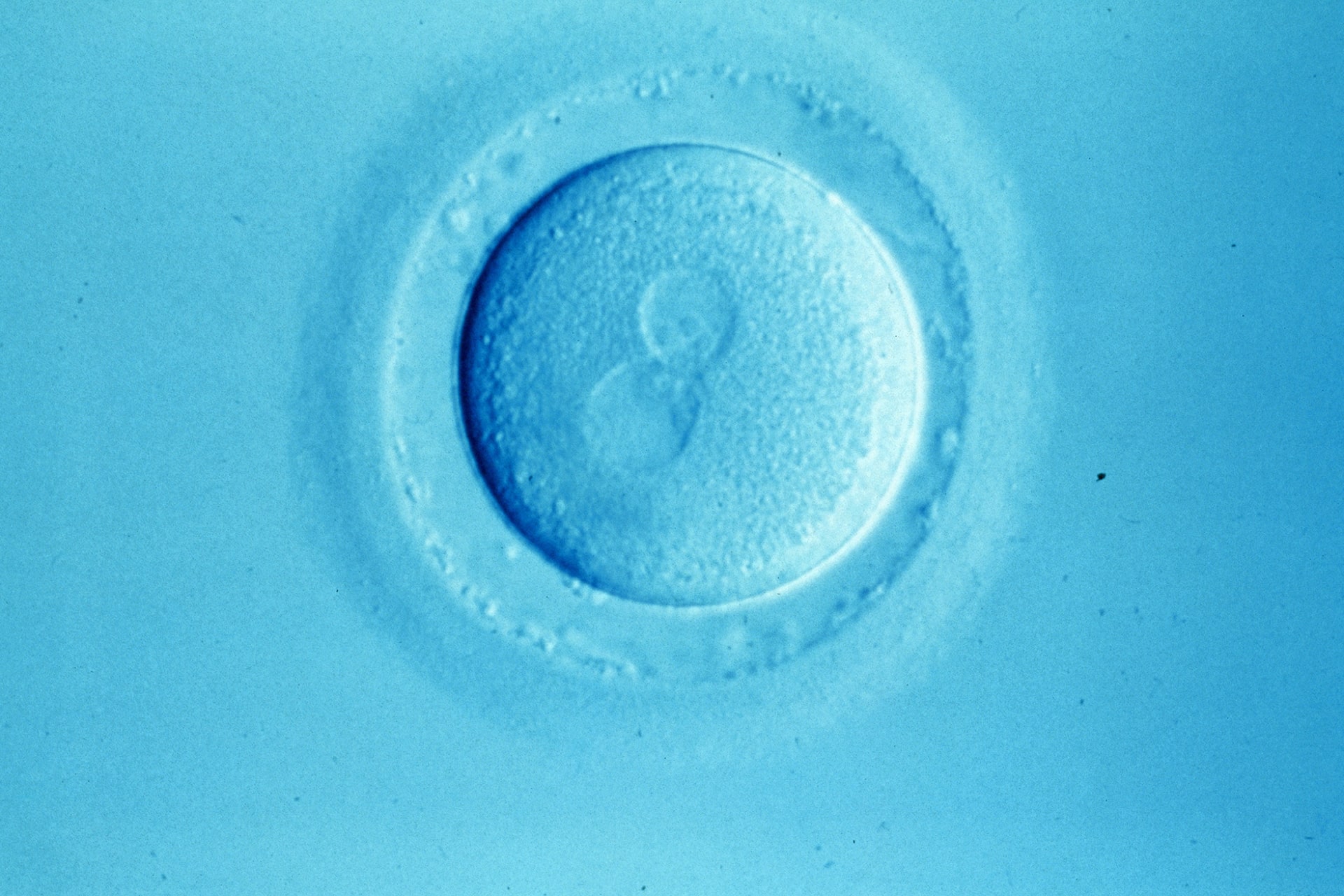
US Congresswoman Alexandria Ocasio-Cortez has announced that she is undergoing egg freezing and is sharing details of the process on social media.
The New York Democrat first announced her decision on Instagram, explaining that she had been considering it for a long time and would be self-funding. She also said she felt there was not enough accessible information available to women about egg freezing, and that making the decision had given her a greater sense of control over her future.
'As women in general, we are not taught about our bodies, we are not prepared for our own lives, whether that is in puberty, whether that is in pregnancy, whether that is in perimenopause, menopause, whether that is in so many different aspects of our lives,' she said in one of a series of Instagram stories.
Ocasio-Cortez is the youngest woman ever elected to the US House of Representatives and was in her 20s when she took up her seat in 2019. Now 36, she is considered a potential future presidential candidate for the Democratic Party.
She acknowledged that publicly documenting her treatment while continuing her work as a congresswoman carries a 'political risk'. Nevertheless, she said she felt it was important to have the conversation, 'especially in this political environment', describing the US medical system as 'broken'.
Speaking to ABC, she explained that she wanted to use her position to make conversations about reproductive health more open and accessible.
'In this political environment where this administration is denying reproductive care to women across the country, from abortion rights to the ability to carry out a healthy pregnancy, I think it's important for us as leaders to have these conversations and share these processes, especially for working women across the country and normalise them,' she said.
Her decision has prompted both support and criticism. Supporters have praised Ocasio-Cortez for speaking openly about a subject that many find difficult to discuss, and for drawing attention to the realities of fertility preservation. Meanwhile, critics have questioned the idea of delaying motherhood to pursue a political career, with some claiming she is already too old.
However, Dr Carrie Bedient, a reproductive endocrinologist from Nevada, told the Guardian: 'From a success rate standpoint, egg freezing tends to be its most effective at age 35 or younger. But you do not fall off a fertility cliff when you turn 35. I would welcome any woman who wanted to freeze their eggs at 36, which is better than 37, which is better than 38…'.
Sources and References
Related Articles

Egg freezing is not reproductive insurance – so what does 'success' really mean?
Dr Kylie Baldwin and Stuart Lavery consider the complexities behind egg freezing, exploring why women freeze their eggs, what 'success' means, and what happens to eggs that are never used...
More women are freezing eggs but few have used them as yet
US elective egg freezing cycles nearly quadrupled between 2014 and 2021, but fewer than six percent of women returned to use them...
Quarter of 'social' egg freezers return for treatment
Over a quarter of women who chose to freeze their eggs in their 30s for non-medical reasons, returned for fertility treatment...
Freezing eggs when younger is better for women delaying motherhood
Older women have a better chance of pregnancy from IVF with previously frozen eggs compared to freshly collected eggs, according to a new study...
Age-Old Question: Exploring Fertility and Ageing
'Age and fertility - a topic that never gets old', said Sarah Norcross, excusing herself for the pun, as host at the latest PET event...

Egg freezing is driven by a lack of suitable partners, but men are still very much involved
Women are electing to collect and freeze their eggs in the hope of preserving fertility for the future...
Freeze eggs before 35 for IVF success, says UK report
The age at which a woman freezes her eggs has a significant impact on IVF success when they are thawed, suggests a new report by the UK's fertility regulator...
Women freeze eggs waiting for partners, not for careers
Women are more likely to freeze their eggs due to a lack of a stable partner, rather than for career planning, according to a new study...
Half of women who freeze eggs have regrets
A survey of women who chose to freeze their eggs has shown that around half experienced some regret, despite most saying they were happy with their decision...
Women freeze eggs to find the right partner
A study of women opting to freeze their eggs for non-medical reasons has revealed that the most common motivation given was not yet finding the right partner...