

Rat testicle cells frozen for 23 years make sperm
Rat testicle stem cells that were frozen for 23 years and then grafted onto infertile mice, have been shown to produce viable sperm...
Senior research executive
David Cansfield is a Volunteer Writer at BioNews, and is a senior research executive at Research Partnership. Previously he worked as an Embryology Associate at the Centre for Reproductive and Genetic Health. He originally studied for Biomedical Sciences at the University of Manchester, and went on to obtain an MRes in Reproduction and Pregnancy at the University's Maternal and Fetal Health Research Centre. His MRes research investigated melatonin as a candidate therapy for fetal growth restriction.

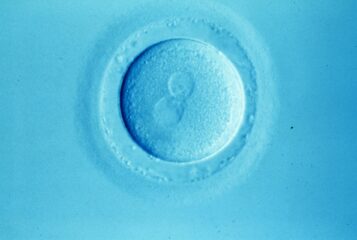
Rat testicle stem cells that were frozen for 23 years and then grafted onto infertile mice, have been shown to produce viable sperm...
Testicular tubules have been created using a 3D printing technique for the first time ever, which may provide hope for men with infertility...
Totipotent stem cells appear to have a slower rate of DNA replication than other cell types, which may be linked to their efficiency at differentiating...
Two recent blood stem cell discoveries could improve the safety and efficacy of stem cell therapies...
The National Institutes for Health, Food and Drug Administration and 15 pharmaceuticals and non-profit organisations have joined together to accelerate the development of gene therapies in the USA...
Patent laws could be used to restrict the use of genome editing technologies from being used to change the germline...
Three-dimensional human protein structures have been predicted using artificial intelligence...
An automated embryo freezing process has been developed to reduce the likelihood of damage from freezing, or 'cryoinjuries', that can occur when the process is performed manually...
A new algorithm can map three-dimensional patterns of gene expression...


The mechanism by which environmental factors are transferred from sperm to embryo has been identified...
