

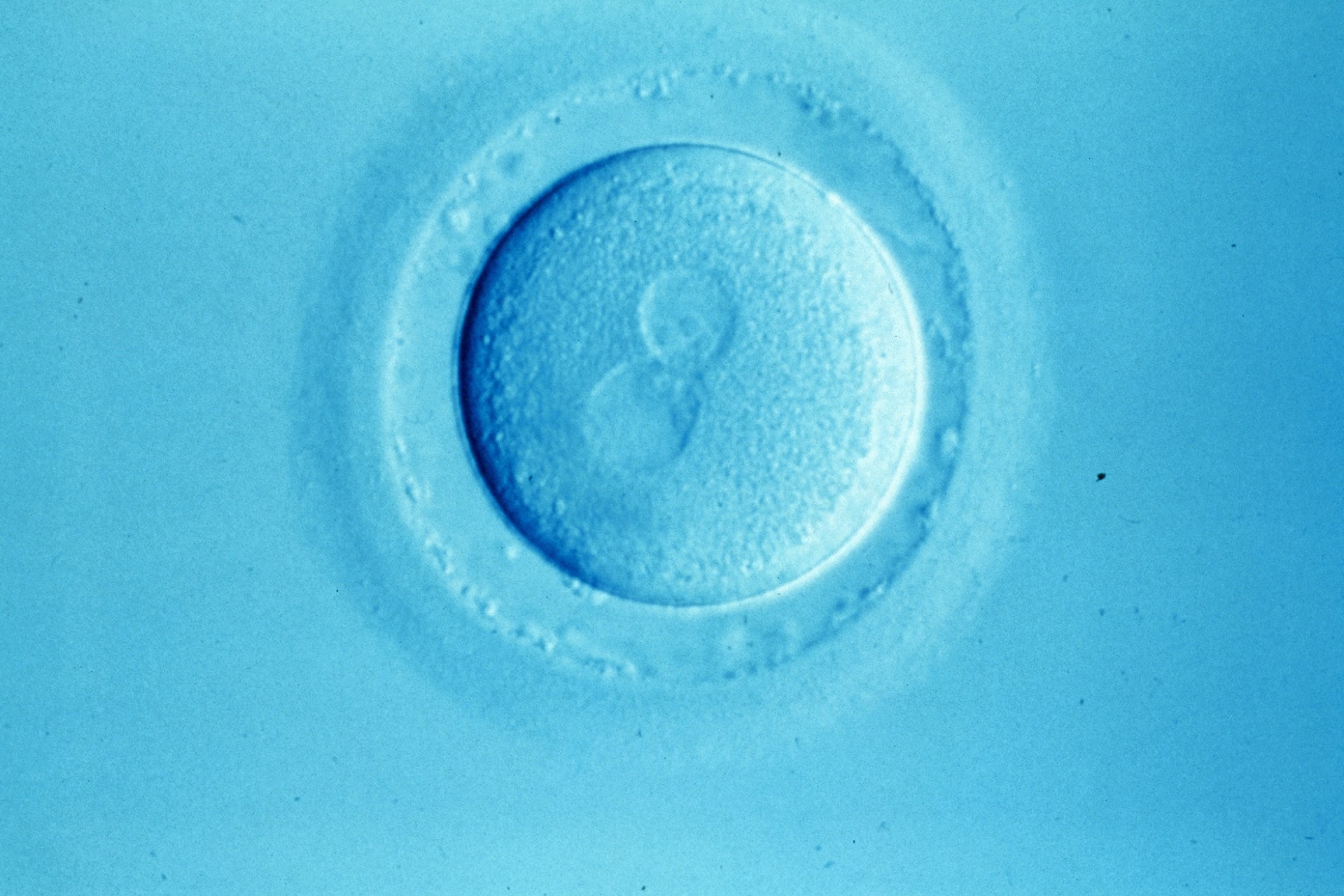
Genome sequencing conducted on both parental and fetal samples points to possible explanations for recurrent miscarriages.
Researchers from five US academic centres analysed the genetic information of 118 families who had experienced recurrent pregnancy loss despite normal prenatal scans and their embryos having the right number of chromosomes. This work identified potentially relevant genetic variants in 30 families (25.4 percent of the sample). Of these, 18 families presented pathogenic or likely pathogenic variants, while 12 carried variants of 'uncertain significance', for which evidence remains insufficient to confirm a harmful impact.
'Recurrent pregnancy loss is poorly understood and often goes unexplained,' said Professor Ruth Lathi from Stanford Medicine, California, a senior co-author of the study published in Genome Medicine. 'Finding answers for patients gets us one step closer to reducing pregnancy loss and helping our patients become parents.'
Recurrent pregnancy loss, defined in this research as two or more miscarriages before 20 weeks of pregnancy, affects around five percent of couples. While chromosomal abnormalities are a leading cause of miscarriage, many recurrent losses occur in pregnancies with a normal number of chromosomes. Previous research has also implicated sperm DNA damage (see BioNews 982) and a lack of stem cells in the womb lining (see BioNews 843), yet in many cases, couples do not receive an explanation for their losses.
The researchers analysed DNA samples obtained from both miscarriage tissues and the two parents, and focused on genetic changes that could impact early embryonic development. They identified 39 variants in 28 genes, including genes involved in essential developmental processes, such as cardiovascular development. Only thirteen of these genes had previously been linked to fetal or newborn death.
In most cases, healthy parents each carried one faulty copy of the gene and the embryo inherited both. Other inheritance patterns were also detected, including some in which pregnancy loss was associated with the embryo carrying a sole copy of the harmful variant received from a non-symptomatic parent, suggesting potential differences in penetrance. Finally, in two families, the variant was present in only some of a parent's reproductive cells, a phenomenon known as parental germline mosaicism; this can complicate genetic counselling, as the anomaly may not appear in cells from blood samples.
'One thing that is important to understand from this data is that both parents can clearly play a role in this,' said Professor Aleksandar Rajkovic from the University of California, San Francisco, a senior co-author of the study.
The findings suggest that conducting sequencing analyses on both parents and tissues from miscarried pregnancies could eventually be used alongside existing chromosome tests to better help affected families understand their risk of miscarriages.
However, further studies are needed to validate the role of the newly proposed genes before any clinical applications. In particular, additional work is required to confirm whether the variants identified do lead to repeated miscarriages, as only one pregnancy sample was available for most of the families in this study.
Sources and References
Related Articles


IVF and Miscarriage: Reducing Risks, Providing Support
This PET event explored pregnancy loss in relation to fertility treatment, including how to reduce risks and provide appropriate support...
Endocrine disorders in family members linked to miscarriage risk
Being related to people with endocrine disorders, including type 2 diabetes, is associated with higher risk of miscarriage...


Harnessing pluripotency for human embryo model research
Identifying the defining characteristics of different states of stem cell pluripotency could hold the key to improving human stem cell-based embryo models...
Diabetes drug could lead to new treatment for recurrent miscarriage
New research has suggested that a drug already in use for type 2 diabetes might also help prevent recurrent miscarriages...
Repeat miscarriages could be due to faulty sperm
Both partners should be offered tests when a couple experienced recurrent pregnancy loss, according to new research...
Lack of stem cells in womb linked to recurrent miscarriage
Recurrent miscarriage could be caused by a lack of resident stem cells in the lining of the womb, according to a study...
Progesterone does not help women with recurrent miscarriages
Progesterone supplementation in the first trimester of pregnancy does not improve outcomes for women with unexplained recurrent miscarriages, according to a large clinical trial...