


ICSI and ovarian stimulation linked to different patterns in children's DNA
Parental age and various procedures used during assisted reproductive technology have been linked to different patterns of mutational changes in the DNA of offspring...
Eleanor Gallegos is a Volunteer Writer at BioNews. She is working as a Reproductive Science Practitioner at IVI London Clinic and completed a BSc in Biochemistry at the University of Birmingham before studying an MSc in Reproductive Science and Women’s Health at University College London. Eleanor's research project focused on studying the influence of aneuploidy on the gene expression profile of DNA repair and cell cycle checkpoint genes in human embryos.
Parental age and various procedures used during assisted reproductive technology have been linked to different patterns of mutational changes in the DNA of offspring...


Variants in maternal genes that increase the risk of aneuploidy have been identified...
An embryo that originally had three pronuclei resulted in a healthy baby after one pronucleus was microsurgically removed...

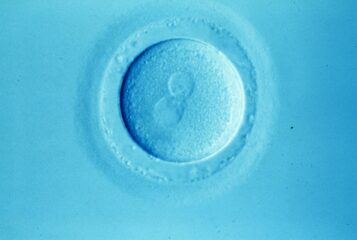
The total cost per live birth after a live donor uterus transplant has been estimated as €124,894, according to a recent study...
The highly conserved nature of the proteins that allow sperm and egg binding has been identified using artificial intelligence...
Research into sperm donors in Denmark shows no evidence of a decline in sperm counts in recent years, but it does reveal a significant decrease in sperm motility...

A protein has been identified which plays a key role in early embryo development in mice, providing potential insights into the regulation of human embryonic development...
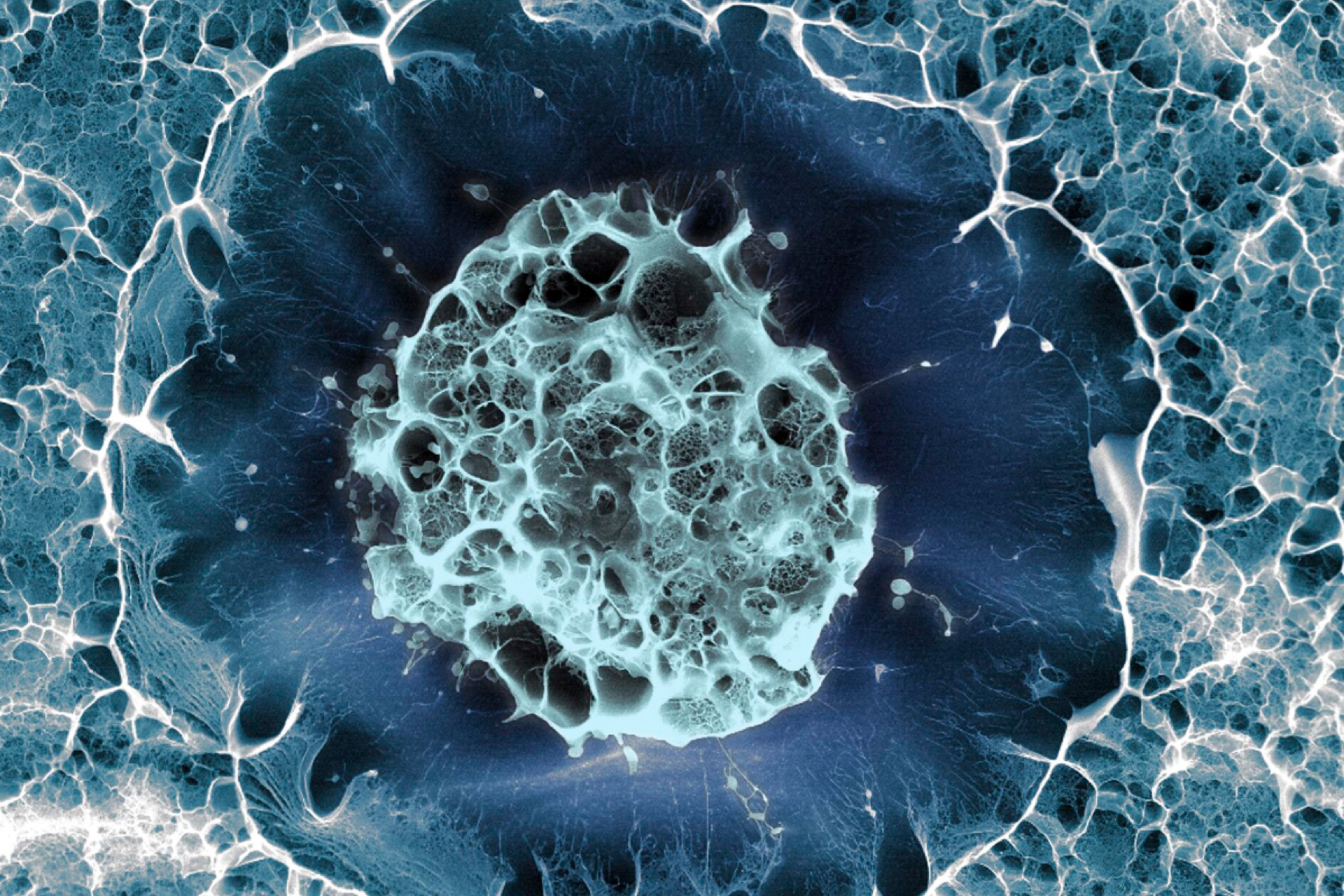
A new method of creating eggs from skin cells has been demonstrated in mice, and could have potential for treating infertility in future...
The cost of accessing private fertility treatment in England can vary by up to 30 percent, depending on where you live...
A new dialogue report shows backing from members of the public for the extension of the 14-day limit on human embryo research...