

Nobel Prize for DNA repair scientists
The 2015 Nobel Prize in Chemistry has been awarded to scientists who discovered the cellular mechanisms for repairing damaged DNA...
Dr Jamie Heather is a Volunteer Writer at BioNews, having originally joined the publication under the auspices of its writing scheme. He is currently a Research Fellow in the Cancer Center at Massachusetts General Hospital in Boston, still studying T cells and their applications in cancer and beyond. He tweets as @jamimmunology .
The 2015 Nobel Prize in Chemistry has been awarded to scientists who discovered the cellular mechanisms for repairing damaged DNA...


Recent findings linking the FTO gene to adipose cell energy use not only revealed a molecular mechanism that contributes to obesity, but they are also an exemplar of how genome-wide association study findings can make the journey to clinical relevance...
Researchers have discovered the mechanism that links variations in the so-called 'obesity gene' FTO to weight gain...
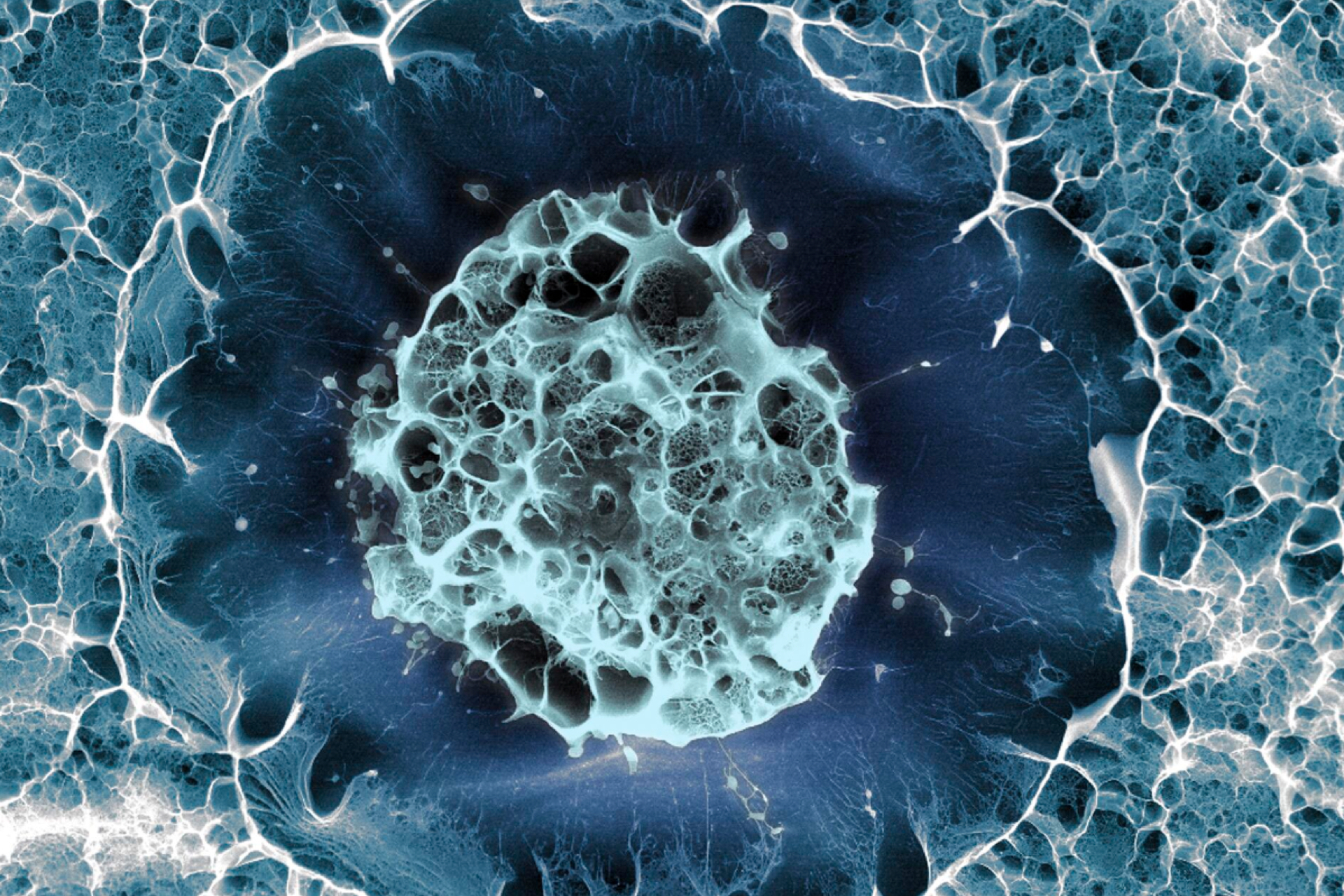
The NHS has announced that it plans to begin testing laboratory-produced blood in healthy volunteers by 2017...
US researchers have used the CRISPR/Cas9 system to target hepatitis C infection in human cells...
A report has found that rare mutations in a single gene made one girl genetically susceptible to severe influenza infection...
Gene therapy to treat children with 'bubble boy syndrome' seems to be both safe and effective, a study published in the New England Journal of Medicine has found...
Researchers from the MRC Centre for Regenerative Medicine in Edinburgh, UK, have for the first time produced complete working organs from genetically 'reprogrammed' cells. Engineered cells were inserted into adult mice, where they grew into what appeared to be functional thymuses....
Research has shown that it may be possible to 'cut' the viral DNA out of cells infected by HIV using genetic editing techniques, removing its ability to replicate...
Doctors, survivors and supporters again converged in a basement lecture theatre in Bloomsbury for the second event in PET's 'Breast Cancer' series. On the cards this night: prediction and screening...