

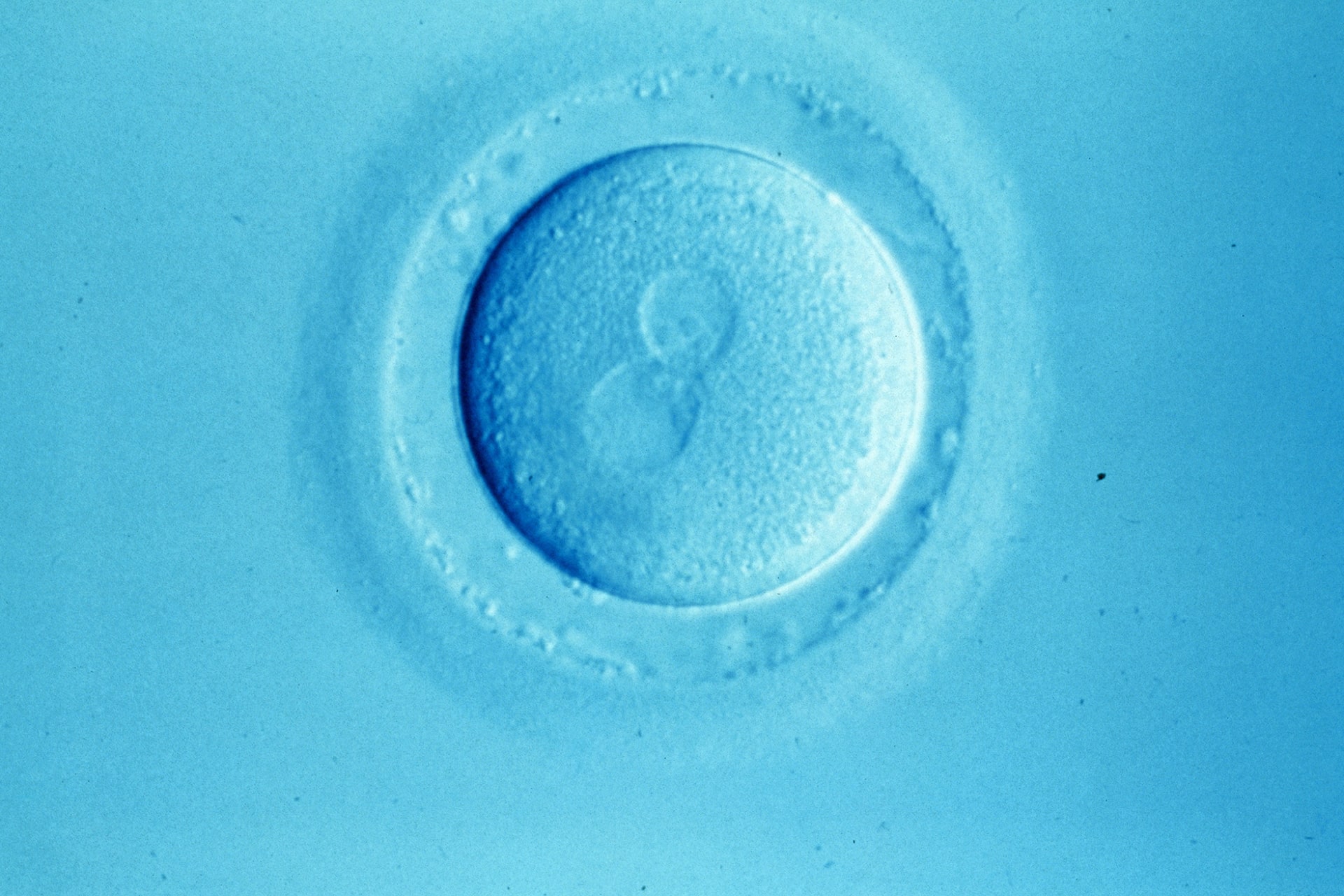
Changes in ovarian tissue, not just egg quantity and quality, may play a role in the decline of female fertility with age, new research suggests.
The drop-off in female fertility with age was thought to be related to a decline in the quality and number of egg cells. However, researchers at the University of California, San Francisco (UCSF), used both human and mouse ovaries to show that age-related changes to the ovarian tissue surrounding the eggs might play an important role, in terms of fertility and overall women's health.
'What we've shown is that the environment around the eggs – the supporting cells, nerves, and connective tissue – is also changing with age,' said Professor Diana Laird, a reproductive scientist at UCSF and senior author on the paper published in Science.
In the study, Professor Laird and her colleagues used three-dimensional imaging techniques to visualise ovarian tissue samples taken from mice aged between 2 and 12 months – equivalent to human age of around 30-40 years – as well as samples from four women aged between 23 and 58. They found that within the ovaries of both species, eggs appear to group into pockets, and that the density of these pockets reduces, and the gaps between them increase with age.
The team also used spatial transcriptomics, a technique that allowed them to map out gene expression of different cell types based on their location within the ovarian tissue. They saw networks of sympathetic neurons – cells that are typically associated with the 'fight or flight' response – increase in density within the ovaries with age. They also showed alterations in another type of cells called fibroblasts, which contribute to increased scarring and inflammation of the ovarian tissue.
Professor Laird and her team have now begun looking into drugs that may be able to alter the rate of ovarian ageing, with the hope that this might have wider impacts on women's health beyond fertility.
'This is a model par excellence. We don't have any better models in the laboratory yet,' Professor Yousin Suh, a reproductive geneticist from Columbia University who was not involved in the study, told The Scientist. 'This opens up critical avenues of intervention to improve ovarian function and influence women's overall health.'
The authors acknowledged that they had limited access to high-quality human tissue samples, and that future studies involving a larger donor pool would help strengthen these findings.
Sources and References
Related Articles


Atlas of the functions of 20,000 human genes published
The functions of over 20,000 human genes are described in a new scientific database...
Ovarian ageing studied using molecular atlas
Genetic and molecular changes occurring during ovarian ageing have been mapped to single-cell resolution...

Ageing ovaries - not eggs - may lead to IVF failure
Changes to the activity of cells in the ovary may contribute to poorer IVF success rates among women in their 40s...