

Potential new treatment target for triple-negative breast cancer
A gene normally active only in reproductive cells may drive genetic instability in aggressive breast cancers, offering a potential new treatment target...
A chemical messenger produced in the body, for example testosterone. Hormones can travel through the blood and have an effect elsewhere in the body.


A gene normally active only in reproductive cells may drive genetic instability in aggressive breast cancers, offering a potential new treatment target...

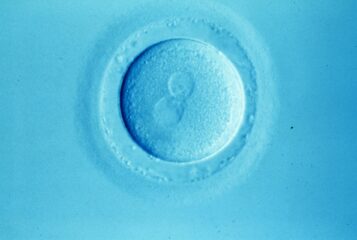
Immune cells within the brain emerge as regulators of puberty onset, maturation of reproductive organs and fertility...
Using women's natural ovulation cycles for IVF frozen embryo transfers is as effective as a hormonally medicated cycle, and may reduce pregnancy complications, research suggests...

Reimbursing egg-freezers for donating their unused eggs is not the solution to donor shortages in Australia, argue Dr Molly Johnston, Dr Ezra Kneebone and Dr Julian Koplin...
The first Australian evidence-based guidelines for the clinical management of male infertility have been published by a panel of experts...
Nick Hopwood, from the Department of History and Philosophy of Science at the University of Cambridge, discusses the accuracy and authenticity of the film 'Joy: The Birth of IVF'...
The Women and Equalities Committee of the UK Parliament's House of Commons has launched an inquiry into egg donation and freezing...
Grace MacDonald – mother of Alastair MacDonald, the world's second IVF baby – tells her story to Professor Martin Johnson and Dr Kay Elder, sharing memories of the pioneers of IVF and of the equally pioneering patients...
A gene involved in how the body absorbs and uses vitamin D has been found to influence essential pathways related to cellular metabolism and cancer growth...
A gene variant has been shown to have different effects on patients based on their genetic sex...

