

Rare gene variants offer new insights into Alzheimer's disease biology
The role of PLCG2 – a gene linked to Alzheimer's disease – in brain health may be broader than previously thought, a new study suggests...
Neurodegenerative disease is an illness caused by the progressive loss of structure or function of neurons (nerve cells), including death of neurons for example motor neurone disease or Alzheimer's disease.


The role of PLCG2 – a gene linked to Alzheimer's disease – in brain health may be broader than previously thought, a new study suggests...
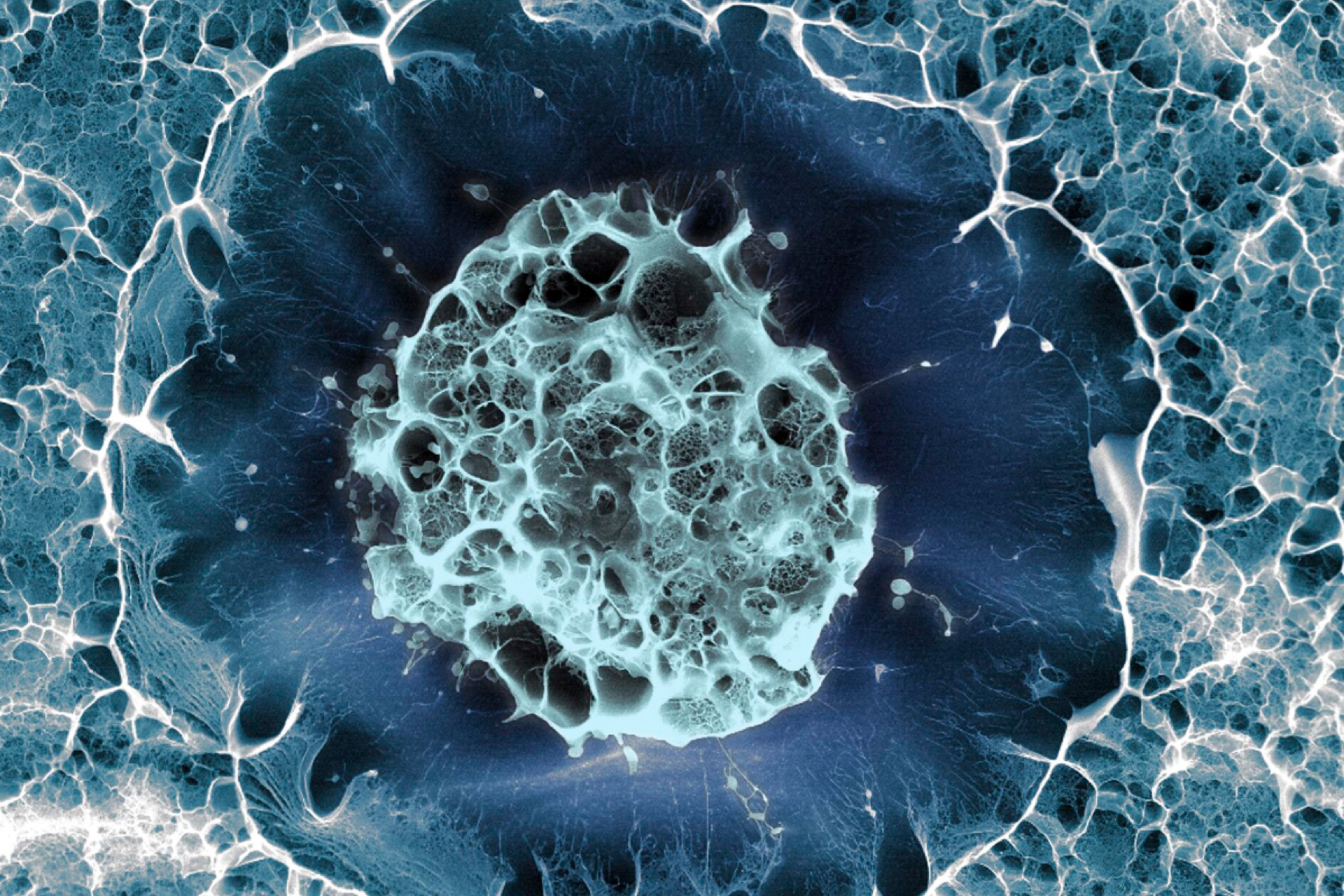
A stem cell therapy designed to replace dopamine-producing nerve cells lost in Parkinson's disease has passed its first major clinical safety milestone...
A drug candidate previously tested for safety in humans has reduced several disease-associated features in a mouse model of Alzheimer's disease...
The first cell-type-specific maps of the brain during Alzheimer's disease have been created, revealing which genes may actively drive the disease rather than simply change in response to damage...
Having specific versions of a gene known as APOE may cause most cases of Alzheimer's disease, according to a new study analysing the genetics of the disease...
Dr Jess Buxton attended PET's most recent event, which discussed how to improve diagnosis, treatment and support for people affected by rare and inherited metabolic diseases...
Exercise can induce protective gene activity in the brain cells of Alzheimer's model mice, uncovering new understanding of disease mechanisms...
A gene therapy that strengthens brain cell connections in mice may help protect memory in Alzheimer's disease patients, according to a new study...
Genes involved in DNA repair have been found to quicken the progression of Huntington's disease...
Remnants of ancient viral DNA in the human genome are associated with two neurodegenerative diseases: multiple sclerosis and motor neurone disease...