

Vanillin, a common flavouring used in vapes and e-cigarettes, may pose a risk to embryonic development if inhaled during pregnancy.
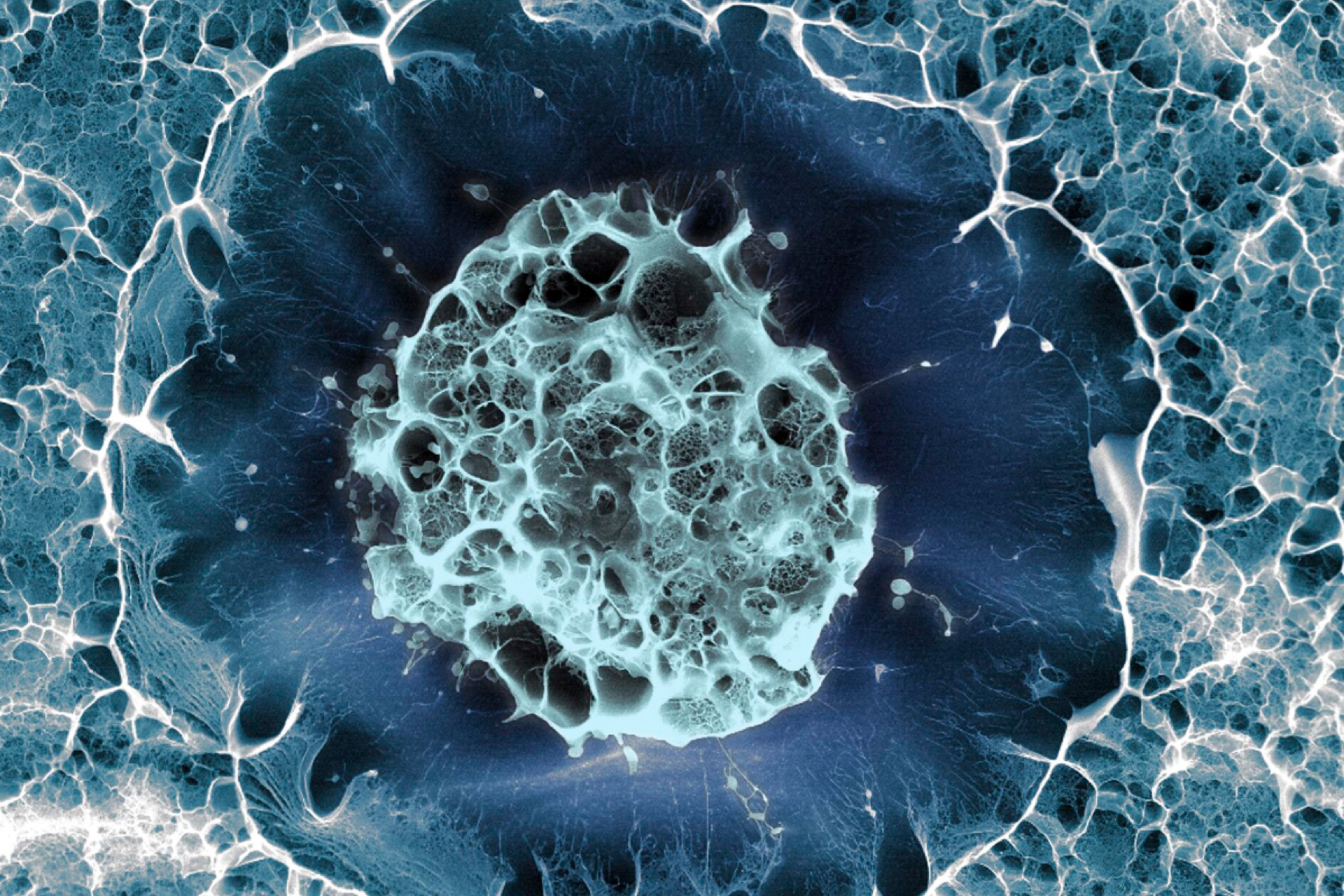
According to new research from the University of California, Riverside, human embryonic stem cells exposed to vanillin concentrations consistent with maternal vape use lost the ability to form all the cell types required for embryonic development.
'We focused on vanillin because it is frequently used in e-cigarette fluids, it is often used at high concentrations, and because we knew that embryonic cells had a channel called TRPV4 on their surface that would likely bind with vanillin,' said Professor Prue Talbot, who led the research published in Human Reproduction.
To model the effects of vanillin in two- to three-week-old human embryos, the team exposed human embryonic stem cells to varying levels of vanillin. High vanillin concentrations led to cell death, while exposure levels equivalent to one to four puffs per hour of a vape containing standard vanillin concentrations caused cells to lose pluripotency – the ability to develop into all cell types. They were unable to form two of the three distinct cell classes required for embryonic development.
'These changes are potentially very serious and could prevent normal development of embryos,' said first author Dr Shabnam Etemadi.
To understand how vanillin interacts with cells, the researchers also exposed the same stem cells to vanillin in combination with a TRPV4 antagonist, which prevented vanillin from binding to the receptor. These cells were unaffected by vanillin, confirming the TRPV4 channel as the route for vanillin's interaction with cells.
As this research was carried out in a laboratory using cellular models, it does not demonstrate a direct clinical link between women using e-cigarettes containing vanillin and disrupted embryo development or miscarriage. However, previous studies have found that vape use during pregnancy can increase the risk of decreased birth weight, pre-term birth, fetal growth restriction, neurological dysfunction and small size for gestational age.
'As this is research done on embryonic cells in a lab, it will need to be further clarified in human clinical trials as laboratory findings do not necessarily always translate into clinically relevant outcomes,' said Jacob George, professor of cardiovascular medicine at the University of Dundee, who was not involved in the study.
'Having said that, many researchers, including myself, have been calling for the limiting of flavours in vapes and for further research to be done on the impact of flavourings. Whilst nicotine-containing vapes are seen as a harm reduction measure compared to tobacco cigarettes, the presence of unregulated chemicals in flavourings is a concern that needs to be addressed,' he added.
Dr Etemadi and Professor Talbot previously published similar research on menthol, which is also used as a flavouring in cigarettes and vapes.
Sources and References
-
Fresh concerns over chemical found in flavoured vape liquid
-
Nanomolar vanillin, an e-cigarette flavourant, appears to disrupt pluripotency and promote endodermal differentiation in human embryonic stem cells via TRPV4 activation
-
Vanillin flavouring in e-cigarettes disrupts human embryonic stem cell development
Related Articles


E-cigarette flavours and device types linked to differences in gene expression
Adults who use e-cigarettes showed differences in gene expression compared with non-users, with many of these changes varying according to the flavour and type of vaping device used...

Vaping affects male fertility, but less than smoking
A difference in fertility treatment outcomes between couples where the male partner smokes cigarettes and those who vape has been revealed by new research...


Vaping linked to epigenetic changes in cheek cells
Epigenetic changes in the DNA of cheek cells have been linked to the use of e-cigarettes...
Exposure to e-cigarette vapour damages testicles in rats
Rats exposed to smoke from e-cigarettes experienced altered testicular structure and other indicators of loss of fertility, raising questions about their safety as smoking prevention devices...
Smoking in teen boys leads to DNA damage in offspring
Specific epigenetic changes to the genomes of offspring have been linked to smoking by their fathers before the age of 15, a recent study across six countries showed...
Claim that vaping damages DNA questioned by researchers
Regular use of e-cigarettes, also known as vaping, has been linked to DNA damage resembling that of smoking, reported a team of scientists...
Vaping may damage DNA, raising risk of cancer
Electronic cigarettes may alter the DNA in users' mouths, potentially increasing their risk of cancer if the damage is not repaired, a preliminary study has found...
Vaping linked to impaired DNA repair in mice
E-cigarette smoke has been found to damage DNA in the heart, lungs and bladder in mice, according to research from New York University's School of Medicine...