

New DNA structure found in human cells
A 'twisted knot' of DNA, known as an i-motif, has been found in living cells for the first time, raising questions about its function...
The ordinary form of cell division, in which a cell divides to produce two new cells that both have the same number of chromosomes as the original cell.


A 'twisted knot' of DNA, known as an i-motif, has been found in living cells for the first time, raising questions about its function...
How DNA is accurately split between cells when they divide has finally been solved by researchers...
A seemingly brilliant hypothesis of preimplantation genetic screening arose in the 1990s when Dr Yuri Verlinsky proposed using polar body biopsies to detect chromosomal abnormalities in embryos prior to transfer in IVF...
Healthy embryos are discarded
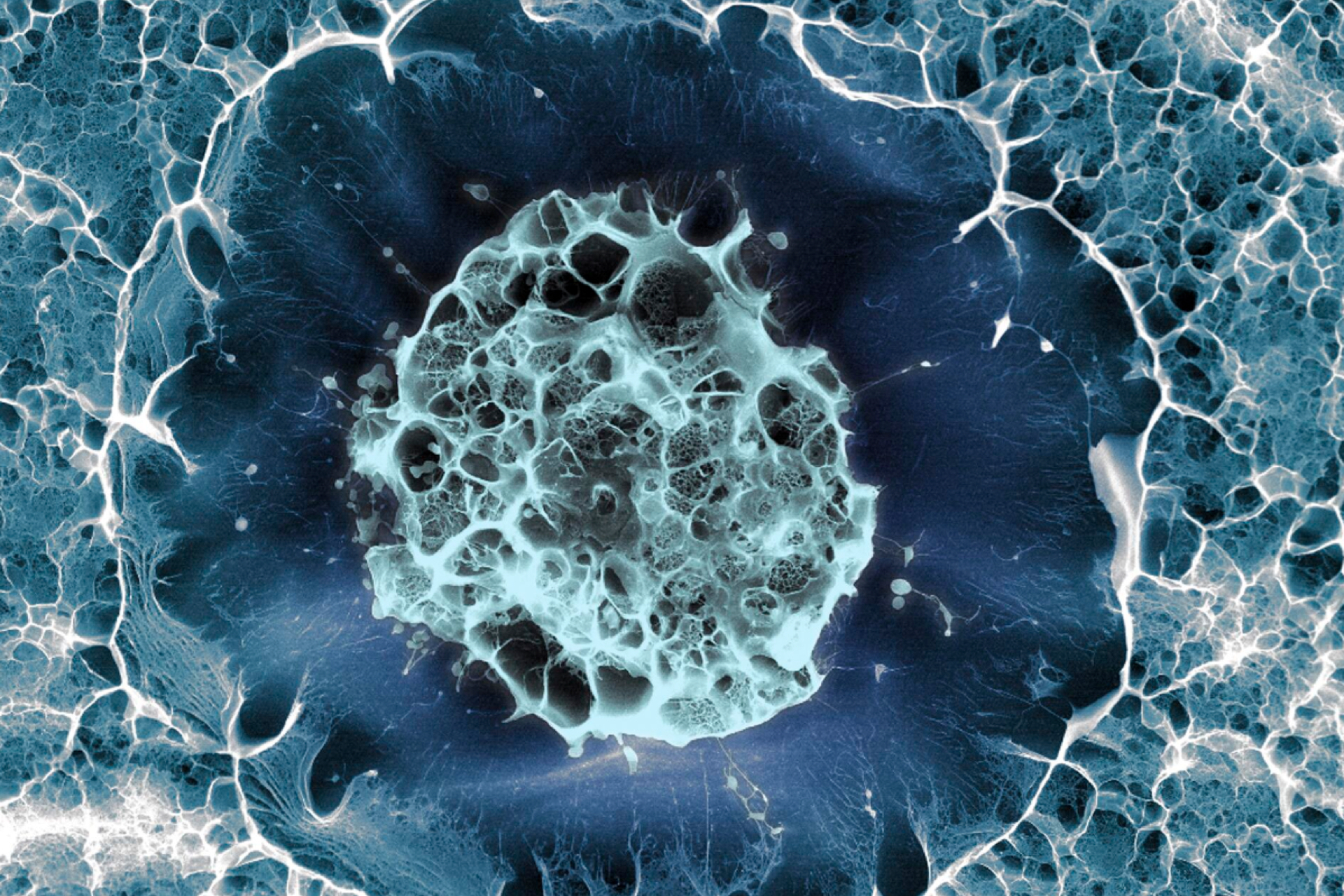
Unfertilised mouse egg cells that have been made to divide can develop into healthy offspring by the injection of sperm, according to a new study...
A technique to generate mouse embryonic stem cells could, if repeated in human cells, improve access to stem cells by using fertilised eggs that would previously have been discarded...
Severe depression speeds up the ageing process of our cells, researchers have found...
Scientists have identified a gene involved in an incurable skin disease. Using advanced screening techniques they discovered several mutations in this gene in people with punctuate palmoplantar keratoderma (PPK)...
Earlier this year, a paper claimed to have found cells, called ovarian stem cells, in the adult ovaries of both mice and humans. These cells could apparently be grown in large numbers in the lab and could retain the ability to give rise to eggs. A new study finds no evidence for the existence of germline progenitors able to produce eggs in postnatal ovaries. Is a lack of evidence sufficient to win the argument?...
Some cases of glioblastoma - a particularly aggressive form of brain cancer - may be due a genetic mutation where two separate genes fuse into one, scientists report...
Scientists have discovered the enzyme in our cells which corrects the most frequently occurring mistake in DNA as cells divide...