

To err is human: How human embryos rarely get it right
Dr Aleksandra Byrska explores why human embryos are prone to chromosomal errors and how these might affect IVF success...
A mature male reproductive cell, which contains half the genetic information needed to make a new human.


Dr Aleksandra Byrska explores why human embryos are prone to chromosomal errors and how these might affect IVF success...
Flora Joseph reviews an episode of The Gift, which explores the legal and ethical questions surrounding at-home DNA testing through the story of two donor-conceived people in France who discover they may be half-siblings...


Belgian fertility pioneer Professor André Van Steirtegheim's book looks back over an incredible career, but lacks personal insights, writes embryologist Emily St John Jones...
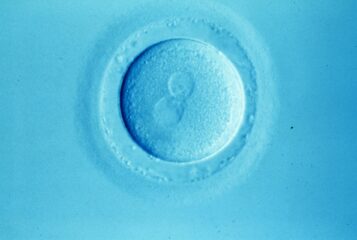
New research using mice may reveal how smoking affects reproductive health via different mechanisms in men and women...

France will need to update its bioethics law by 2028. Adrien Bottacci explains what recent recommendations could mean for the 14-day limit on human embryo research, and for research involving stem-cell-based embryo models...
Jeffrey Huang, a Grade 11 student at Taipei American School, discusses the results of a study on air pollutants and IVF outcomes that he helped conduct...
The first UK patient has had his testicular tissue transplanted back; it was frozen prior to chemotherapy he had as a child...
Parental age and various procedures used during assisted reproductive technology have been linked to different patterns of mutational changes in the DNA of offspring...
Fertility counsellor Anthony Ryb reviews Pip Reilly's 'A Journey Through Male Infertility: Stronger Together', considering its aim to provide accessible support for men experiencing infertility and highlighting both its strengths and the gaps he feels limit its usefulness…
UK patients have had their fertility treatment disrupted after a Portuguese fertility clinic was declared insolvent...
