

Mouse testicle organoids grown in lab
Organoids grown from testicular cells of young mice have shown characteristics of normal mouse testes and have potential to produce sperm...
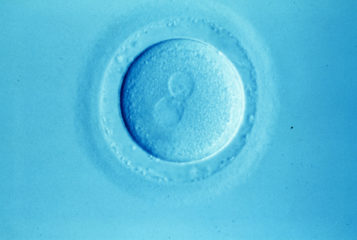
An immature sperm cell, produced in the testis, which will develop into sperm. Like sperm, spermatids have half the genetic information necessary to produce offspring.

Organoids grown from testicular cells of young mice have shown characteristics of normal mouse testes and have potential to produce sperm...

Stem cells from rhesus macaque monkeys have been used to make sperm in a dish...
Mutations in the M1AP gene have been identified by researchers as a major trigger for male infertility...
Dr Simon Fishel, founder of the CARE Fertility Group, has a long and distinguished career behind him. As a young biochemist he began his research career at the University of Cambridge with IVF pioneer Professor Robert Edwards, who together with Dr Patrick
Scientists in China have used stem cells to create rudimentary sperm that successfully fertilised mouse eggs to produce healthy offspring...
Men previously considered sterile have successfully fathered children thanks to a newly improved technique called round spermatid injection (ROSI)...
Healthy mice have been born using sperm grown in the lab from a sample of cryopreserved testicular tissue...
Dancing cocks (that's male chickens, cheeky) in tight speedos fighting over a scantily clad egg might not be the first thing that comes to mind when thinking about PhD theses. However, that just about describes this year's winner of Science magazine's Dance Your PhD contest...
Male mice are able to reproduce healthy offspring with only two Y-chromosome genes, researchers at the University of Hawaii have discovered...
Stem cells found in human skin can be turned into sperm precursor cells, US researchers have found. The findings could help restore fertility to cancer patients, and could provide a new way of studying the development of sperm cells in the lab...