

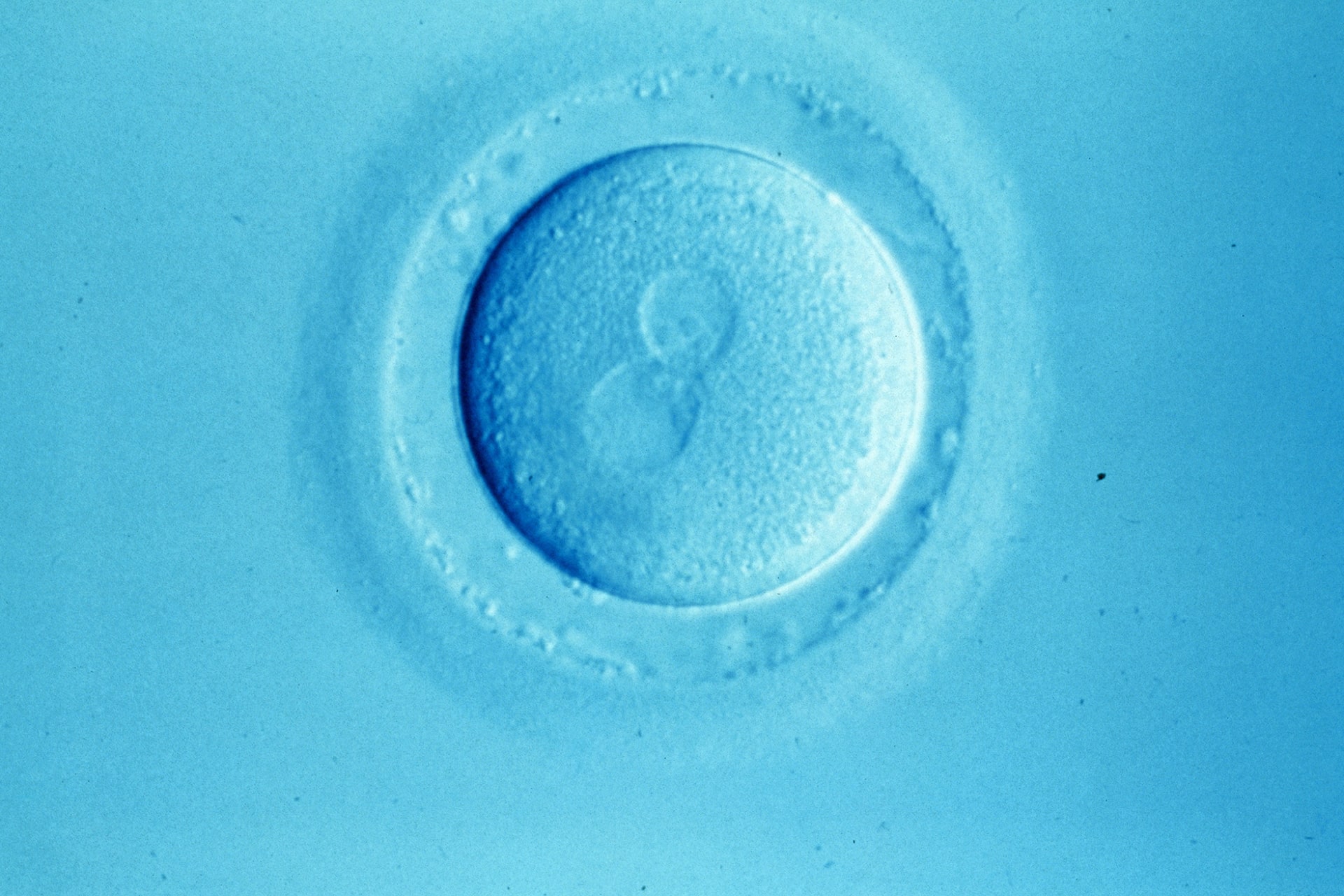
Knocking out a single gene on the Y chromosome has been found to cause infertility in male mice.
Researchers at the University of Hawaii at Mānoa have shown that knocking out one or both variants of the Zfy gene produced male mice with severe or total infertility. The double knockout males, those born without either Zfy1 or Zfy2, produced sperm with structural defects that severely affected their ability to move or fertilise oocytes. In some cases, the double knockout mice were unable to produce sperm at all. In addition, the absence of both Zfy gene variants was found to affect hundreds of other genes, including some linked to apoptosis (programmed cell death) and the packaging of DNA.
'We identified pathways and other genes that are affected and we can now study how exactly Zfy regulates them,' said Professor Monika Ward, who was the lead author on the study, published in Cell Death & Differentiation.
The team used the CRISPR method of genome editing to delete both variants of the Zfy gene in mouse germ cells. They were then able to breed either single or double knockout male mice using techniques pioneered at the University of Hawaii, including intracytoplasmic sperm injection and round spermatid injection.
The knockout of Zfy resulted in defects that affected the flagellum (tail) of the sperm cells, as well as their ability to fertilise oocytes. In addition, the team found that the double knockout males had smaller testes and higher rates of impaired sperm motility, with all sperm displaying non-progressive motility, such as moving in circles, while wild-type sperm mostly moved fast and in a clear linear direction.
'This work really pushes forward our understanding of how this important Zfy gene works,' added Professor Ward.
Male infertility is a topic of growing interest and concern worldwide, with an estimated eight percent of men affected by infertility. Hence, researchers are interested in understanding how genes such as Zfy may impact human spermatogenesis.
Further to their work on mice, the group explored the effects of the gene's regulation in human cells, where it is expressed throughout the body, as opposed to being testis specific, as it is in mice. Furthermore, unlike mice, humans do not have two versions of the Zfy gene. Instead, there is a single version – ZFY – on the Y chromosome, plus a related gene – ZFX – on the X chromosome. Using human embryonic kidney cells in place of sperm cells, the team found that an overexpression of ZFY regulated apoptosis genes but did not appear to have a regulatory impact on sex-linked genes.
This paper, along with other work produced by the group, has shed light on the effects of Zfy genes and their important role in the production of healthy sperm cells in mice, as well as their wider impact on cell replication and death. Their results could prove significant to researchers who are exploring similar pathways in the context of human reproductive health. However, as the study acknowledges, ZFY is not as specialised in humans as it is in mice, suggesting that this gene has a much wider range of influence than purely healthy sperm production.
Sources and References
Related Articles

CRISPR sheds light on genes essential for sperm production in mice
CRISPR/Cas9 genome editing has been used in mice to investigate two key genes' roles in male fertility and sperm production...
Gene essential for producing functional sperm explored
Disruption to a gene causes malformations to the development of sperm tails, resulting in mice producing no functional sperm...


Y chromosome genes influencing sperm development identified
Genes on the Y chromosome that regulate the development of sperm and influence fertility in male mice have been identified...
Sequencing of human Y chromosomes sheds light on genomic function
Two publications about Y chromosome sequencing have contributed to the completion of the reference genome available to researchers, in a way that could improve understanding of male health and fertility...
Endangered rat species lacks Y chromosome
A new genetic mechanism for determining sex has been discovered in spiny rats, shedding light on the evolution and degeneration of the Y chromosome...