

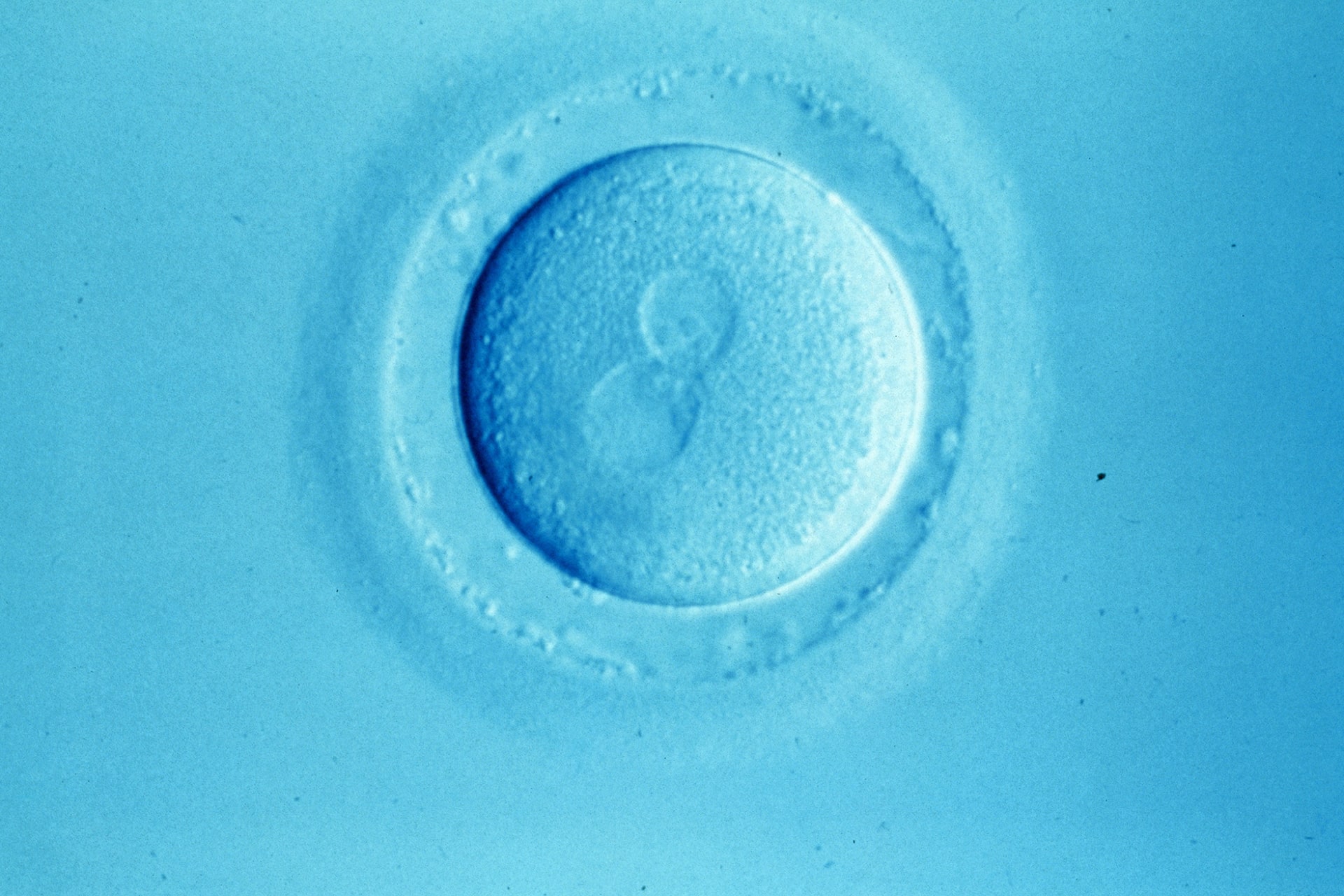
Early sperm cell precursors were obtained from human non-reproductive cells reprogrammed and then housed within a mouse system.
A team led by researchers at the University of Pennsylvania in Philadelphia have successfully developed a new approach that allowed them to generate immature human sperm cells derived from blood cells. This work offers a model system in which to investigate human spermatogenesis, the process by which stem cells develop into mature sperm, and how failures in this process may contribute to male infertility. It may also represent a step towards the production of lab-grown sperm that could be used in fertility treatments. Between 30 to 40 percent of cases of infertility in opposite-sex couples are due to male factor alone.
'This system provides us with a tool to experimentally understand human male fertility in a way we have never been able to before, which will unquestionably provide medical advances,' Dr Eoin Whelan, the lead author of the study published in Cell Stem Cell and a senior research investigator at the University of Pennsylvania, told the Telegraph. 'But if we can produce sperm that are normal and safe, that would give hope to men with azoospermia – no sperm at all – for whom there are currently no therapeutic options.'
The team first turned human blood cells into induced pluripotent stem (iPS) cells. Using chemical signalling, they then developed these stem cells into the earliest sperm precursors, which were added into an 'artificial testicle' environment grown from mouse cells. The resulting construct was then transplanted into the kidneys of mice. Within six months, the stem cells had successfully developed into immature sperm cells called spermatogonia. As future clinical applications would first need to be tested in non-human primates, the team applied the same approach to iPS cells from rhesus monkeys, obtaining similar results.
However, the resulting spermatogonia are not sperm themselves. To become fully functional, they would need to undergo several developmental stages of spermatogenesis, growing into spermatocytes, then spermatids and finally mobile sperm with a tail. The researchers noted that the limited maturation of the human induced sperm cells may be due, in part, to species differences between the human and mouse tissues in the artificial testicle.
Dr Kotaro Sasaki, senior author of the study and an associate professor of biomedical sciences at the University of Pennsylvania, told the Telegraph that the next challenge would be recreating the later stages of sperm development that produce fully functional sperm.
Dr Harry Leitch, associate professor in clinical genetics and genomic medicine at University College London Great Ormond Street Institute of Child Health, called the work 'an important and significant advance', though he noted 'there would be major ethical and regulatory barriers to prevent the use of lab grown sperm for reproductive purposes – until this could be proven to be safe and to meet a legitimate medical need.' In the UK, using lab-grown sperm in fertility treatment is currently illegal.
Sources and References
Related Articles

HFEA recommends law review in light of lab-made eggs and sperm
New possibilities for culturing human eggs and sperm in the laboratory have led the Human Fertilisation and Embryology Authority to consider whether the law in this area should be reviewed...


LGBTQ+ parenthood through in vitro gametogenesis?
With the recent successful creation of an egg from a male mouse, Dr Marcin Smietana discusses how in vitro gametogenesis may have potential for LGBTQ+ parents in the future…


Advances in Assisted Reproduction: What Can We Expect?
Sarah Norcross, director of the Progress Educational Trust, invited the audience of the event to consider where assisted reproductive technologies stood 55 years ago...
Human sperm cells grown in vitro as a potential step to treat male infertility
Scientists have made progress towards a reliable technique for treating male infertility...
Lab-grown eggs and sperm a step closer
A study, published in Cell Reports, investigating when and how human stem cells develop into egg and sperm cells could help generate lab-grown gametes to treat infertility...
Creating life in the lab: in vitro gametogenesis (IVG) and synthetic human entities with embryo-like features (SHEEFs)
What exactly are SHEEFs and IVGs? How might they shed light on the mysteries of early embryo development, and offer new hope to those affected by infertility? These questions were the focus of the second session at Progress Educational Trust's one-day con
Event Review: The ethics and regulation of in vitro gametogenesis (IVG)
IVG involves the use of stem cells to create sperm and egg cells in vitro, which can then be used to produce embryos. It is a technique that could provide a fertility treatment option for people who currently cannot have their own genetically related chil
Discussion of ethics of new IVG technique is needed, say US experts
Three US experts say public conversation should begin now on the ethical challenges raised by a new fertility technology that could reprogram any human cell into eggs and sperm...
Artificial sperm 'grown in lab' for first time
A French company claims to have grown human sperm cells in a laboratory for the first time....
Mice born using lab-grown sperm from frozen testicles
Healthy mice have been born using sperm grown in the lab from a sample of cryopreserved testicular tissue...