


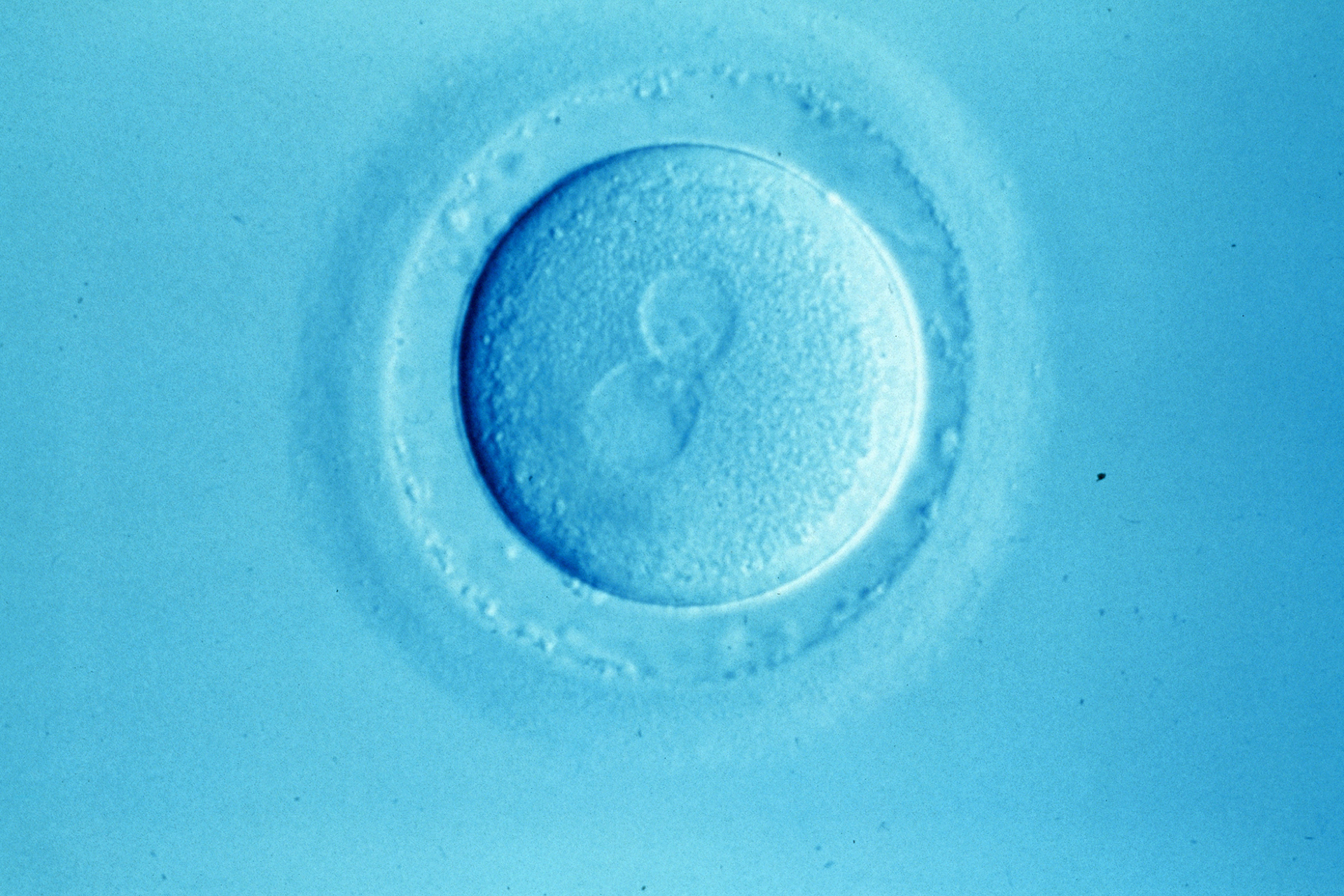
Meanwhile, the Indian Council of Medical Research (ICMR) has said that India is to bring in stringent new guidelines to govern stem cell research. Currently, IVF and assisted reproduction are unregulated in India, and there is no ban on the use of 14-day old embryos for research. Ten of the named stem cell lines eligible for federally funded research in the US are held in India.
The new guidelines will prevent international commercial trade in human embryos and regulate the transfer of ES cell lines for foreign use. IVF clinics will be given an accreditation system, as they are seen as the largest source of embryos. A central ethics committee will be set up to monitor and regulate progress and research. Finally, Science reports that Israel's national bioethics committee has approved both the derivation of ES cells and research into therapeutic cloning.
Sources and References
-
Boy's genes put in egg of a rabbit
-
China plans 'hybrid' embryonic stem cells
-
India framing strict laws for stem cell research
Leave a Reply
You must be logged in to post a comment.