

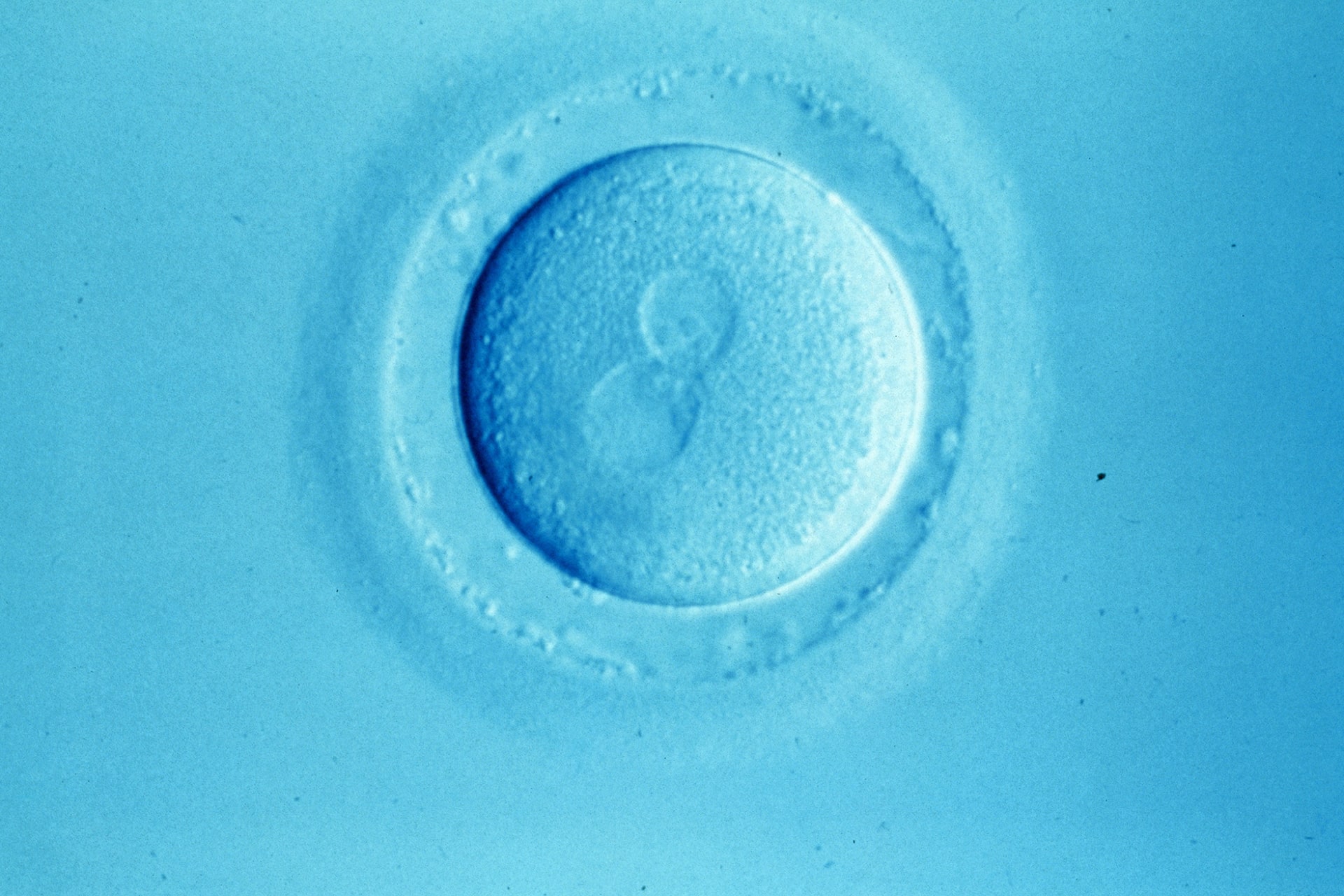
Sperm quality changes with the time of year, rather than outdoor temperature, according to new research.
Sperm motility – how well sperm can swim – is an important parameter in male fertility. Previous research has established that motility is affected by the temperature of the testes, with 33-35°C considered optimal. However, an international study has shown that the proportion of sperm that moves quickly varies seasonally in men from both Denmark and Florida, despite marked differences in outside temperature patterns between the two countries.
'We were struck by how similar the seasonal pattern was in two completely different climates. Even in Florida, where temperatures stay warm, sperm motility still peaked in summer and dipped in winter, which tells us that ambient temperature alone is unlikely to explain these changes,' said Professor Allan Pacey, an andrologist from the University of Manchester and co-author on the paper published in Reproductive Biology and Endocrinology.
Researchers from Cryos International in Aarhus, Denmark, the University of Manchester and Queen's University in Kingston, Canada, looked at data from semen samples collected at sperm banks in Denmark and Florida from over 15,000 prospective donors across a six-year period. All men were aged between 18 and 45, and all samples were assessed within one hour of production using the same protocols.
The analysis controlled for age and for outdoor temperatures across the two months prior to donation, during which the sperm were developing.
The proportion of fast-moving sperm in each sample was consistently highest in June and July and lowest in December and January in both groups. However, ejaculate volume and sperm concentration remained unchanged throughout the year.
'Our study highlights the importance of considering seasonality when evaluating semen quality. It also shows that seasonal variation in sperm motility occurs even in warm climates. These findings deepen our understanding of male reproductive health and may help improve fertility outcomes,' said Professor Pacey.
The authors pointed out that their findings suggest that environmental and lifestyle factors other than temperature may play a key role in sperm motility.
Sources and References
Related Articles

Sperm deteriorates in quality the longer it stays in the body
The health and performance of sperm decline while it is stored within male or female reproductive tracts, according to a major cross-species analysis...
Ultrasound can speed up sperm
Sperm motility increased after the application of ultrasound, scientists have discovered...
Sperm change swimming patterns to find egg
Research has shed light on how the chemical environment of the fallopian tubes can influence how mammalian sperm swim towards the egg...
Sperm movement discovery could help treat male infertility
An essential component of how sperm move has been discovered, opening up new avenues for the understanding and treatment of male infertility...
Gene mutation affecting sperm tail development identified
Researchers have identified a gene mutation that affects the production of a protein that helps sperm to move...
Mechanism identified to keep sperm swimming straight
A molecular mechanism enabling correct sperm motility has been uncovered, shedding light on a key cause of male infertility...
How human sperm really swim
Research using high-precision 3D microscopy has overturned 350-year-old observations about how sperm swim...
Sperm tail-tracking method could help fertility testing
A new way of analysing sperm could lead to improvements in male fertility testing, according to the scientists who developed the method...
Virtual sperm suggest that strong tails may be key for IVF
Stronger tails help human sperm in their race to fertilise eggs, mathematical modelling suggests...
Sperm swimming ability declining in USA and Spain
Sperm motility, a measure of sperm quality, is declining in the USA and Spain, two new studies have found...