

Two DNA technologies map cell development in mouse embryos
Two research teams have used different DNA-recording technologies to trace cell lineages in developing mouse embryos...


Two research teams have used different DNA-recording technologies to trace cell lineages in developing mouse embryos...
From light-sensitive, single-celled algae to using lasers to trigger mouse whisker movements, the 2026 Nobel Prize in Physiology or Medicine recognises the discovery of light-gated ion channels and their applications in optogenetics to study brain function...
NHS England plans to roll out a new rapid genomic test developed by the University of Nottingham to diagnose brain tumours...
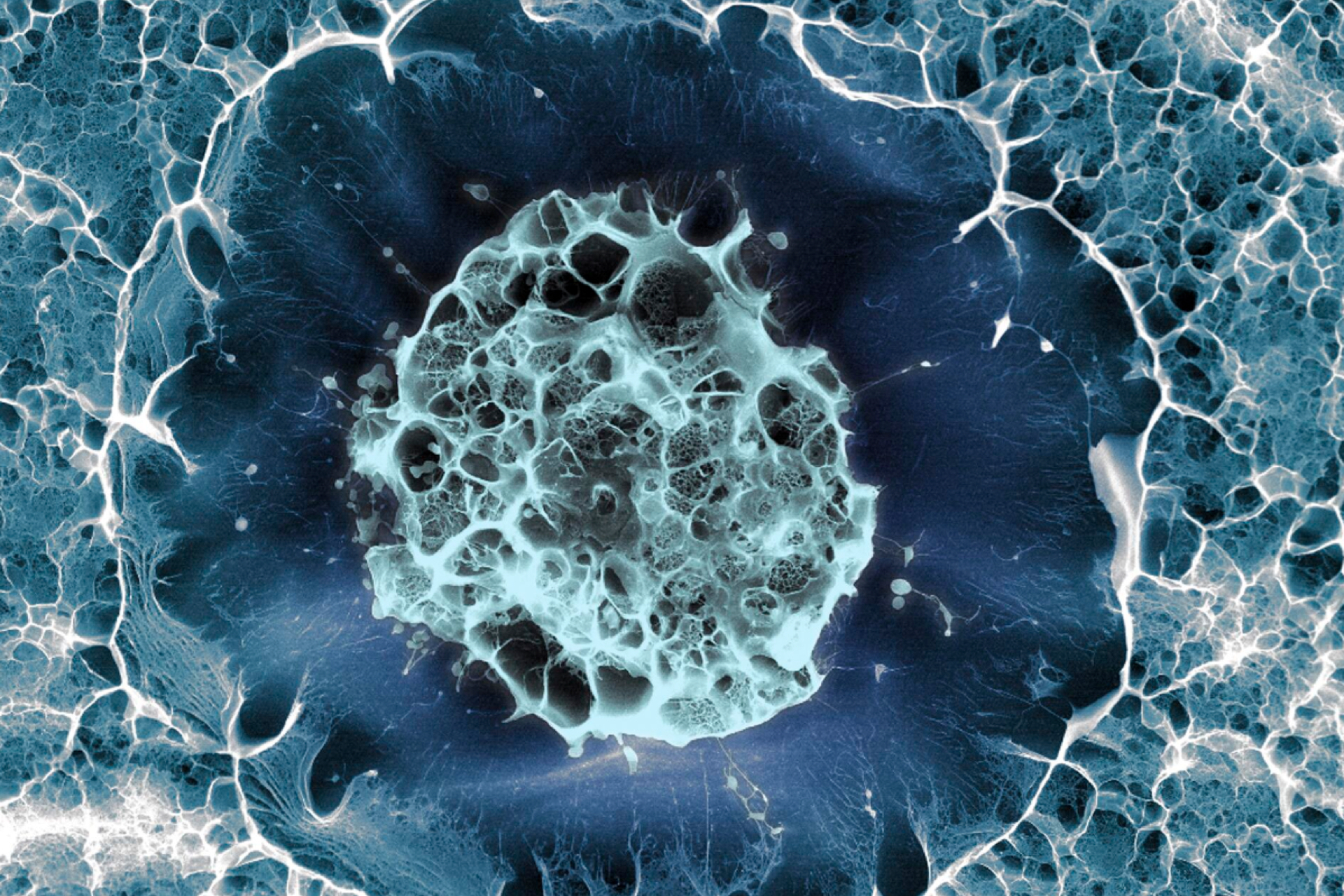
Chronic cigarette smoke exposure may change lung stem cells in ways that influence which types of lung cancer develop when cancer-driving genetic alterations occur...
A gene therapy for Huntington's disease failed to show statistically significant slowing of disease progression after 48 months, according to newly released data...
A primate-specific gene known as BC200 has been found to have 'jumped' into a human virus from the pox family...
Professor Eric Turkheimer's new book argues for a re-framing of the nature-nurture debate, questioning both what heritability estimates can tell us and what they mean for our understanding of human nature…
Professor Dusko Ilic remembers his friend and colleague Professor Caroline Ogilvie OBE, whose sharp intellect, generosity and pioneering work in clinical and reproductive genetics touched the lives of patients, families and generations of scientists...
As antibiotic-resistant infections become an increasing challenge in wartime Ukraine, Ukrainian researchers are developing new ways to treat infections and prevent resistant bacteria from spreading…
The origins of the human brain can be traced back to two distinct groups of cells in the developing embryo...