

Human brain tissue grows and connects inside engineered mice
Human organoids transplanted into mouse brains can grow and form connections with the surrounding nervous system...

Burleen Chhatwal is a Volunteer Writer at BioNews, having originally joined under the auspices of its writing scheme. She is an MBPhD student based at the University College London (UCL) Queen Square Institute of Neurology and the Francis Crick Institute, where she is supervised by Professor Nicholas Wood. Her research is centred around exploring the genetic and epigenetic basis of Parkinson's disease. In particular, she is interested in understanding chromosome conformation and gene regulation in Parkinson's disease. Alongside her PhD, she is studying Medicine at UCL, having previously obtained an intercalated Bachelor's degree in Neuroscience at UCL.

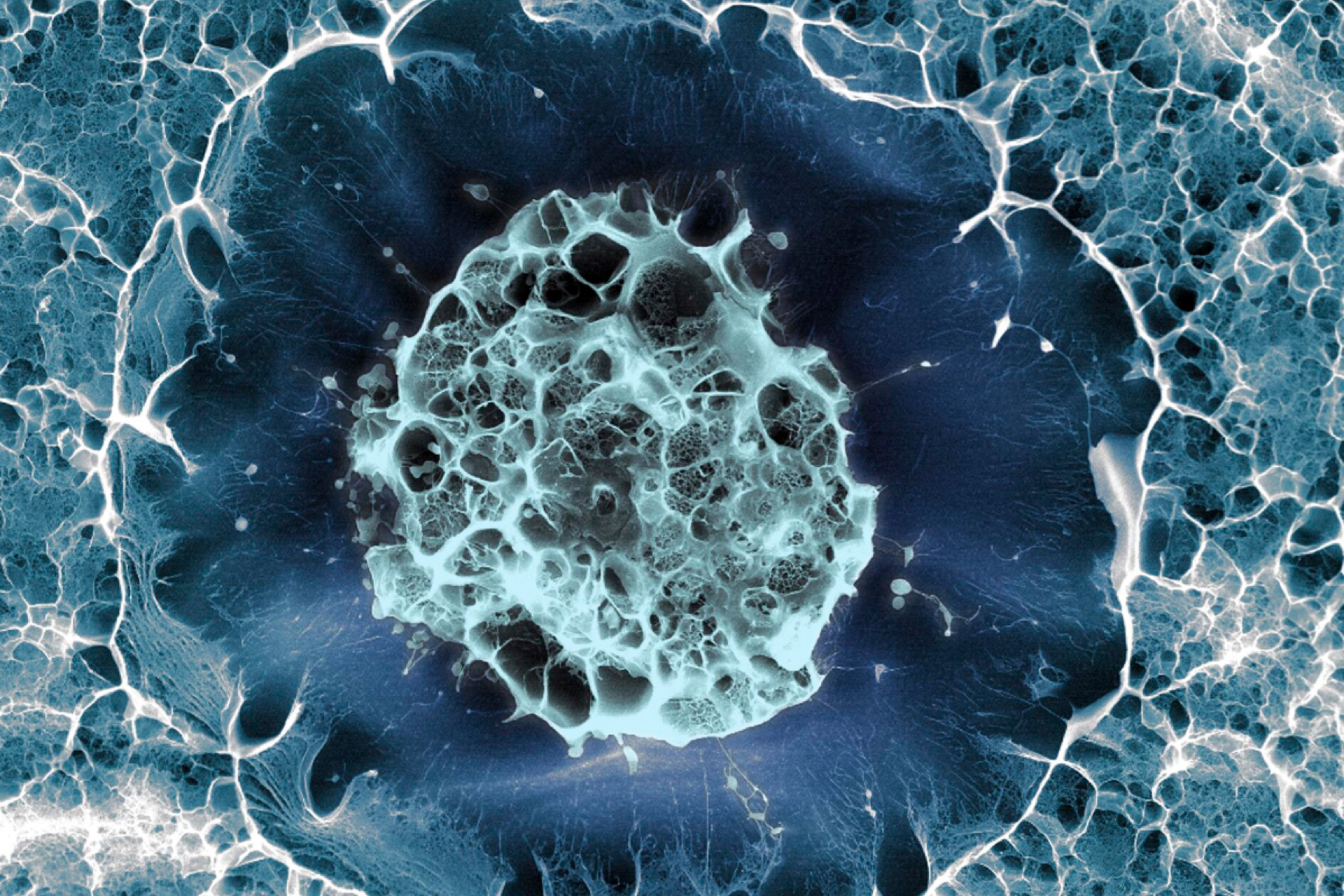
Human organoids transplanted into mouse brains can grow and form connections with the surrounding nervous system...
A simplified stem-cell-based embryo model of the early human embryo has revealed a key mechanism required for blastocyst cavity formation...


Epigenetic changes in colon cells caused by colitis can increase susceptibility to developing colorectal cancer in the future...
An early phase clinical trial using induced pluripotent stem cells to treat Parkinson's disease has been approved...

Infection by a common virus during childhood is associated with the development of bladder cancer later in life...
An advanced DNA sequencing tool can identify previously undetectable genetic mutations in human tissue with high accuracy...

Base editing has been used to correct the mutation causing late-onset Tay-Sachs disease in mice and human cells...
Injecting neural stem cells into patients with spinal cord injuries may help improve their motor function...
Targeting the PELO gene eliminates tumour cells from cancers caused by mutations or deletions of two specific genes...
An artificial intelligence model can accurately predict changes in gene expression in any human cell type...
