

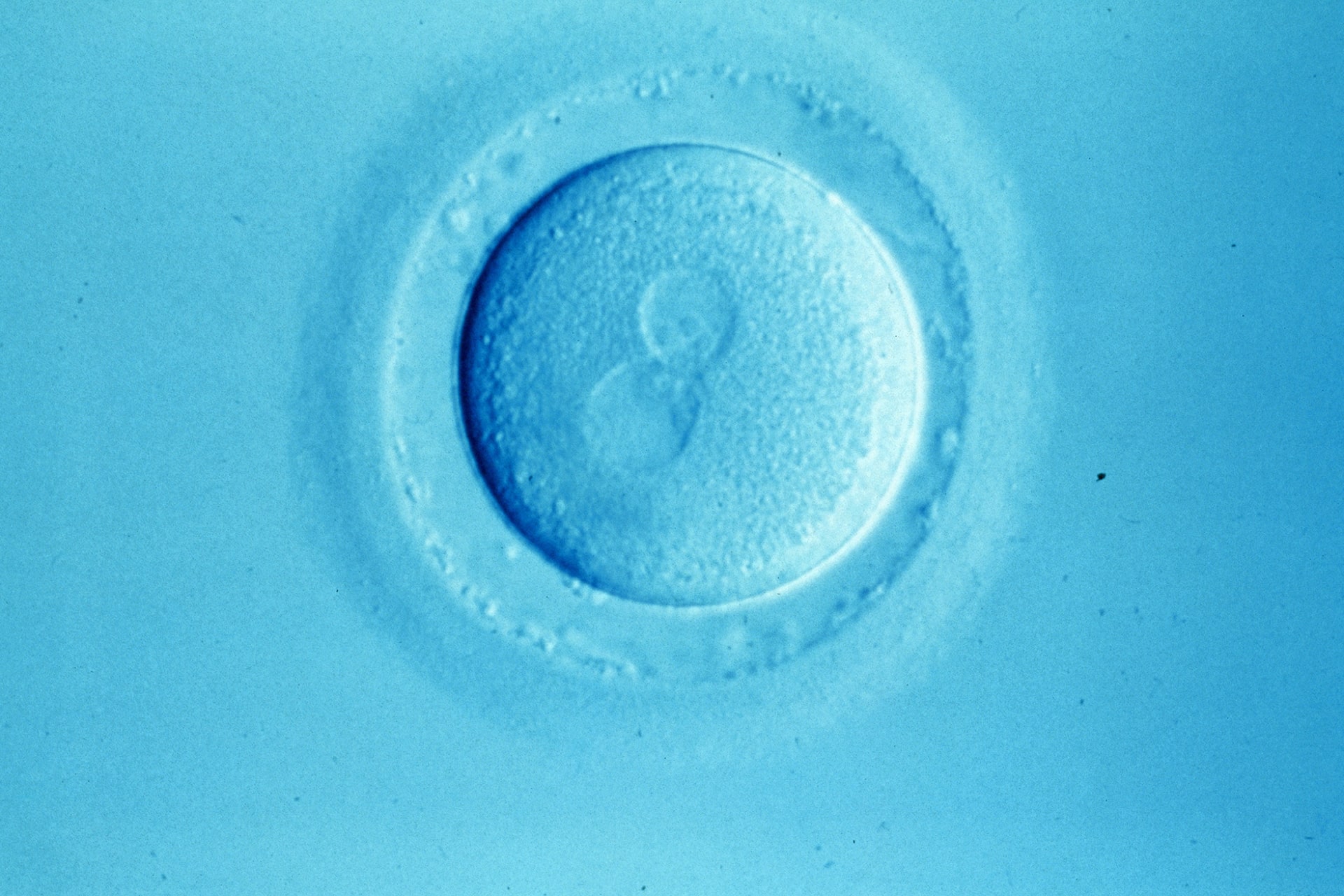
Cannabis may directly interfere with women's fertility by affecting the health of their eggs.
Researchers in Canada – where cannabis can be consumed legally – found that tetrahydrocannabinol (THC), the psychoactive ingredient in cannabis, can disrupt egg maturation and increase the risk of genetic errors. The study, published in Nature Communications, sought to understand how THC exposure might influence female fertility, since previous work had shown that the drug can reach the ovarian follicle.
'Our study highlights the importance of informing patients about the potential risks associated with cannabis consumption and provides a basis for regulatory bodies, medical professional societies, and public health organisations to establish recommendations and guidelines regarding cannabis consumption during fertility treatment,' said the authors.
The researchers examined samples from over 1000 IVF patients at the CReATe Fertility Centre in Toronto. Of these, 62 women had detectable levels of THC in their ovarian fluid.
The women with higher levels of THC had, on average, more mature eggs from a cycle of ovarian stimulation than non-users, but the embryos created using these eggs had higher rates of aneuploidy or chromosome abnormalities, meaning they ended up with fewer chromosomally-normal embryos.
These findings were supported by laboratory experiments in which human eggs from non-cannabis users were exposed to THC in vitro. THC exposure sometimes sped up egg maturation, but these eggs were more prone to errors, including higher rates of abnormal chromosome separation. Genetic analyses also revealed that THC altered the activity of hundreds of genes linked to inflammation, cell structure and early embryo growth.
Dr Alex Polyakov, a fertility specialist from Melbourne, Australia, who was not involved in the study, explained the possible significance of the findings: 'Since embryo euploidy is closely linked to successful implantation and healthy pregnancy, cannabis exposure could prolong the time to conception and increase the risk of IVF failure and miscarriage.'
Cannabis use has been steadily rising worldwide, and in Canada alone, nearly a quarter of women of reproductive age reported using cannabis within the past year. Previous studies had already shown that cannabis can affect sperm quality (see BioNews 991) and pregnancy outcomes (see BioNews 370), but this is the first to demonstrate a direct effect on human eggs.
The authors acknowledge that this is a small study: 'More studies are needed to verify our findings and determine how or even if the changes we observed affect reproduction,' said lead study author, Dr Cyntia Duval from the University of Toronto.
Sources and References
-
Cannabis impacts female fertility as evidenced by an in vitro investigation and a case-control study
-
Chemicals in marijuana may affect women’s fertility
-
Marijuana may cause chromosomal defects in human egg cells, study finds
-
Cannabis Use Linked to Fertility Risks in Women
-
Cannabis use may impact female fertility
Related Articles
Does cannabis really improve sperm counts? The data to date
The study published last month by Dr Jorge Chavarro's group at Harvard School of Public Health in Boston, Massachusetts was indeed a 'surprise study' given the plethora of papers showing contradictory effects...
Cannabis use linked to higher sperm counts in surprise study
Having smoked at least two joints of marijuana at some point in their lives was associated with higher sperm counts in men, found a new study...
DNA damage from cannabis use can be inherited, scientists claim
A research review suggests that cannabis use damages DNA, and claims that this damage can be inherited...

Choose your poison: tobacco, alcohol don't harm sperm; cannabis does
Cannabis use affects the size and shape of sperm, according to a large study on lifestyle choices, environmental factors and semen quality...
Research links cannabis smoking to problems in early pregnancy
Research suggests a link between cannabis smoking and increased risk of miscarriage or ectopic pregnancy...