Obituary: Professor Sir John Gurdon
Professor Sir John Gurdon, pioneer of developmental biology and Nobel Prize winner, has died aged 92...
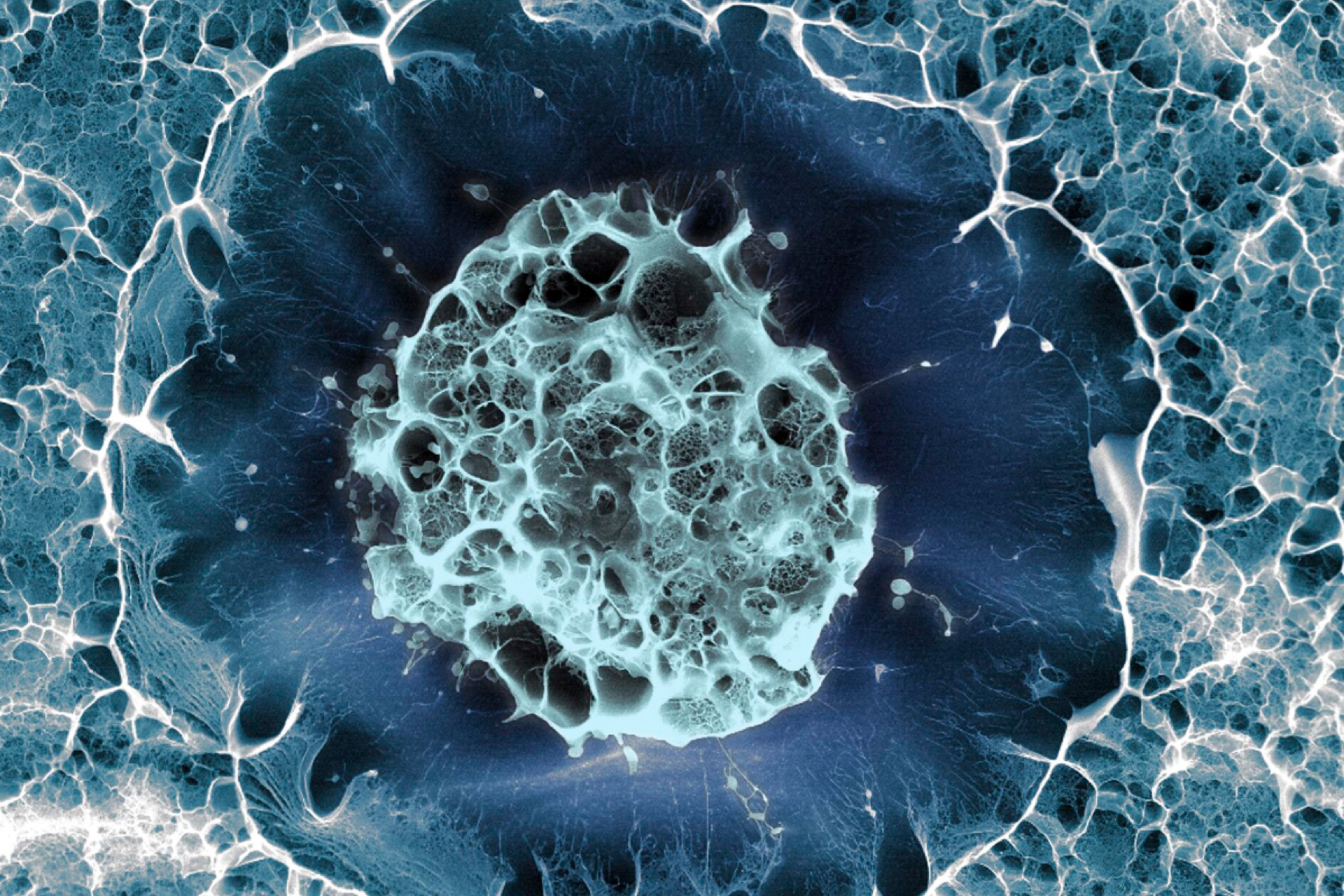
An exact genetic replica of a living thing. Clones may occur naturally or, in the case of cloned animals and plants, be produced in the laboratory using somatic cell nuclear transfer technology.
In cell biology a clone can be any of a group of identical cells derived from the same cell.
Professor Sir John Gurdon, pioneer of developmental biology and Nobel Prize winner, has died aged 92...
Egg cells have been created from human skin cell DNA, which have then been fertilised with sperm to create embryos...
A new method for tracking the lineage and type of different blood cells in humans has shown how ageing changes the make-up of blood...
Frequent blood donations have been correlated to favourable genetic changes that allow for healthy cell growth...
From groundbreaking human cloning research to a scandalous downfall, this Netflix documentary tells the captivating story of Korea's most notorious scientist...
by Abbie Harper
Heritable genetic variants associated with a blood disorder that is a risk factor for leukaemia and heart disease have been identified...
Mutations which lead to the dominance of certain blood stem cells in the over 70s could be behind some of the health issues people experience in old age...
Over two weeks in March, four teams reported the self-assembly from stem cells of structures resembling human embryos...
Rarely a day goes by without the UK media mentioning assisted reproduction and the fertility sector. Whether it's the latest research innovation, the growth in DNA testing and matching websites, the funding and commissioning of fertility services or repor
Chinese scientists have announced the successful cloning of monkeys using the same method which produced Dolly the Sheep over 20 years ago...
Subscribe for free to what PET does best – informing you of the latest in fertility, genomics and embryo research.