

'Old' human blood cells transformed into 'young' brain cells
Researchers have turned an 80-year-old's blood precursor cells into neural stem cells, resetting the cells' 'biological age' in the process...
A biochemical process in which a DNA molecule is modified by the addition of methyl chemical groups at selected locations. It is important in the control of gene expression and embryonic development in higher organisms.

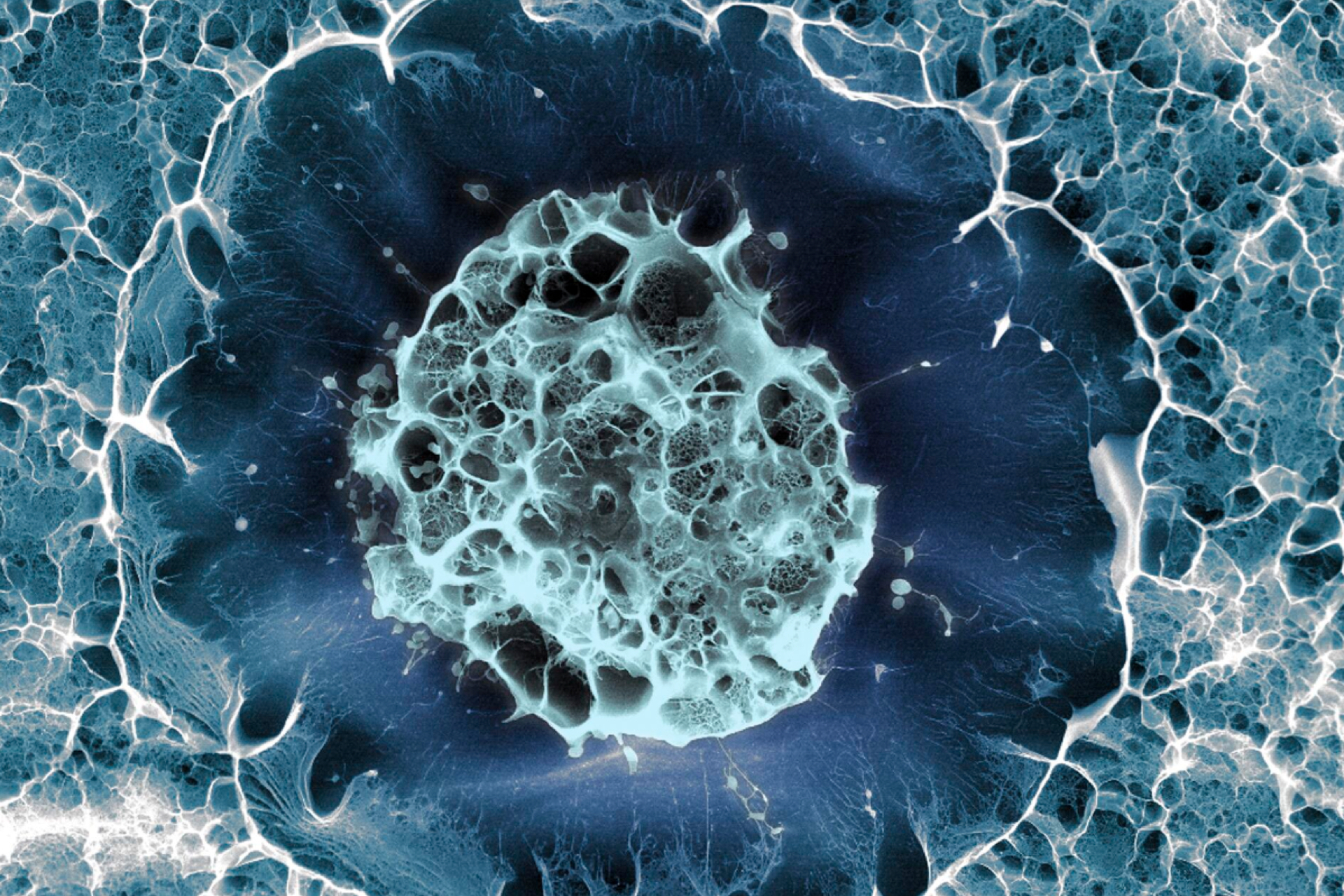
Researchers have turned an 80-year-old's blood precursor cells into neural stem cells, resetting the cells' 'biological age' in the process...

NHS England plans to roll out a new rapid genomic test developed by the University of Nottingham to diagnose brain tumours...
Human brain organoids have been kept in culture for more than five years, extending the period over which these models of human brain development have previously been maintained...
An experimental epigenome-editing therapy has shown a favourable safety profile and increased lean muscle mass in patients with a rare muscular dystrophy in an early-stage trial...

News from ESHRE – air pollution is associated with epigenetic changes in sperm DNA…


Identical twins share the same genetic sequence and much of their early environment, but differences in their epigenetics may reveal how genes and environment interact...
CAR-T cell cancer treatments could be made safer and more durable by reprogramming T cells without altering their DNA, according to new research...
Extremely advanced ageing and poor health are not intrinsically linked, according to a study of the longest-lived supercentenarian...
News from ESHRE – IVF cycles are more likely to end in miscarriage when the male partner is over 45...
A new method for tracking the lineage and type of different blood cells in humans has shown how ageing changes the make-up of blood...
