

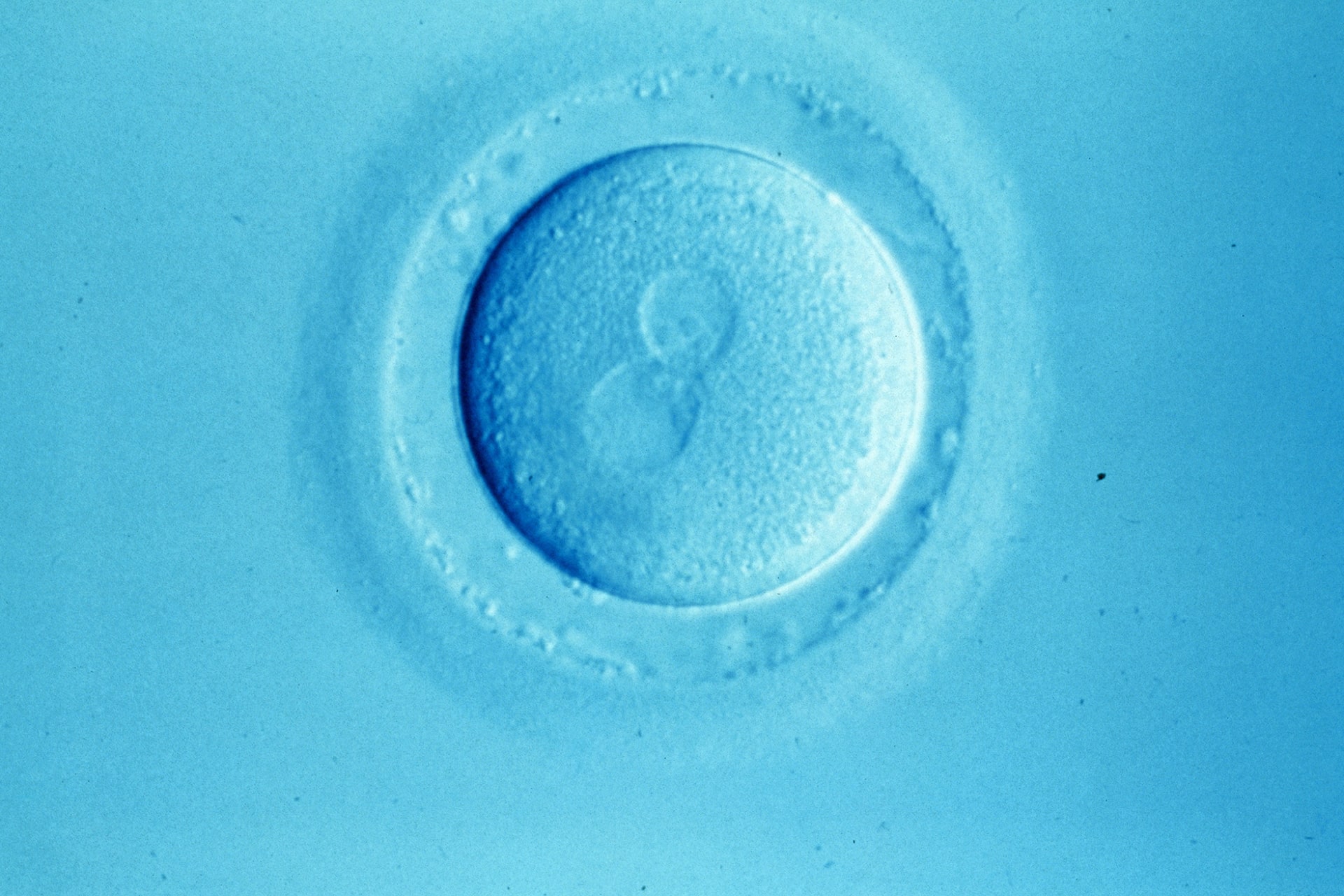
Microplastics have been found in samples of human reproductive fluids, according to research presented at the 41st Annual Meeting of the European Society of Human Reproduction and Embryology (ESHRE) in Paris.
Researchers in Spain examined follicular fluid from the ovaries of 29 women and seminal fluid from 22 men, looking for microplastics. They found a range of plastic polymers in both groups, with 69 percent of female samples and 55 percent of male samples.
'Previous studies had already shown that microplastics can be found in various human organs,' said the study leader, embryologist Dr Emilio Gómez-Sánchez, who is also an associate professor at the medicine faculty of the University of Murcia. 'As a result, we weren't entirely surprised to find microplastics in fluids of the human reproductive system, but we were struck by how common they were.'
Microplastics are plastic particles below 5mm in size. The most common plastic detected was PTFE which is used in non-stick cookware. However, the limited format of a conference presentation did not allow a full description of methodology, or detailed results of the particles detected.
'Without information on the sizes of the microplastic particles observed, it is challenging to interpret how meaningful this data is,' commented microplastics expert Dr Stephanie Wright, from Imperial College London, who was not involved in the study. 'There is a high potential for samples to become contaminated with microplastic throughout the sampling, laboratory processing, and analysis procedures.'
The study did not examine the effects of microplastics on fertility, and Dr Gómez-Sánchez said: 'It's possible they could impair egg or sperm quality in humans, but we don't yet have enough evidence to confirm that.' He added: 'There's no need for alarm at this point. Microplastics are just one of many elements that may play a role in fertility.'
'The health and integrity of sperm and oocytes (eggs) not only influences the chance of conception but also the health of the developing baby and long-term health through the life course,' Adam Balen – professor of reproductive medicine and surgery at Leeds Teaching Hospitals NHS Trust, who was not involved in the study – told BioNews. 'More research is important to determine the role of microplastics on future health and disease.'
'Environmental factors influencing reproduction are certainly a reality, although not easy to measure objectively,' said former of ESHRE, Professor Carlos Calhaz-Jorge. 'Although the significance of these findings is not yet clear, they should be considered an additional argument in favour of avoiding the generalised use of plastics in our daily lives.'
Related Articles

TV Review: The Plastic Detox
The Plastic Detox explores the links between plastic exposure and reproductive health, combining scientific research with personal stories to examine a growing environmental health concern…
Sustainability in reproductive healthcare: Considering the environment outside of the incubator
It is widely accepted that the climate crisis is now a health crisis, yet the medical field seems to be lagging behind in adopting sustainable practices, instead fostering a culture of excess and normalising disposability...