What fertility awareness campaigns can learn from lived experiences
Fertility awareness should go beyond age and biology to reflect the diverse ways people experience reproductive uncertainty throughout their lives, writes Dr Eva De Clercq...



Fertility awareness should go beyond age and biology to reflect the diverse ways people experience reproductive uncertainty throughout their lives, writes Dr Eva De Clercq...
New evidence on the risks of gestational surrogacy should strengthen the case for better safeguards, writes Dr Carole Gilling-Smith...
An online sperm donor explains how practical changes could help recognise and support the reality of modern family-building...
A personal tribute to Professor Abha Maheshwari, from her friend and colleague Alison McTavish...

Children born to trans parents should be entitled to legal certainty about who their parents are, and trans parents ultimately should be able to have their parentage legally recognised in their new legal gender, writes lawyer and PET trustee Natalie Sutherland...
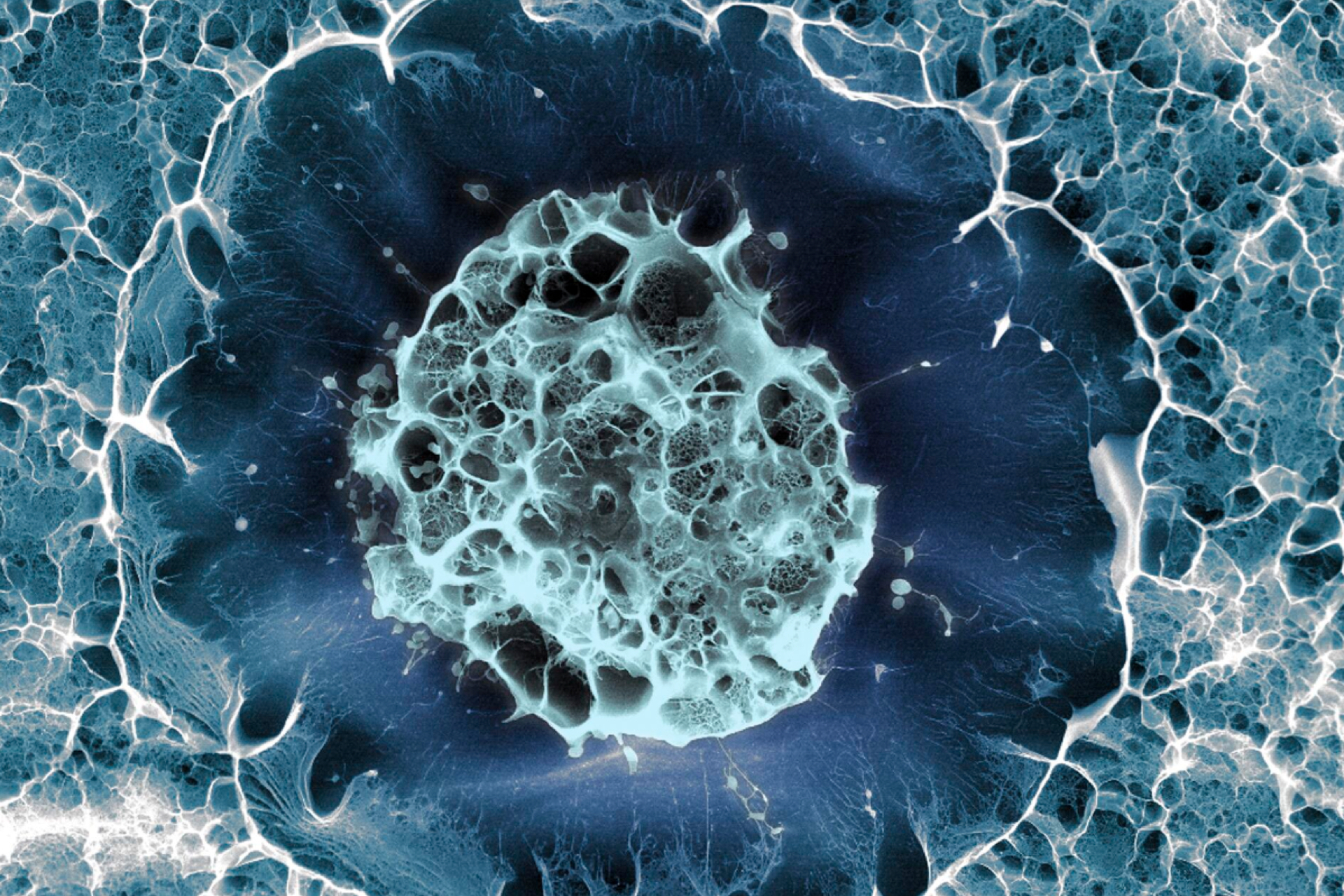
Dr Naomi Moris and an international group of colleagues propose three broad categories of ethical value and five categories of morally relevant biological features that can inform oversight of research involving human stem-cell-based embryo models...
In this Vision Paper, the Centre for Global Science and Epistemic Justice and the Progress Educational Trust introduce 'Tuning EARS for the Future', part of the Wellcome-funded 'Constructive Conversations' programme...
This film documents a PET event featuring researchers and practitioners at the forefront of tackling male infertility, discussing the latest insights and pioneering research that could transform treatment in future...

PGT-A is widely used to assess the chromosome status of IVF embryos, but how accurately can a biopsy of just a handful of cells predict an embryo's genetic makeup? Dr Desislava Staneva explains why interpreting PGT-A results is more complex than it may first appear...
The Lily Foundation's new UK Mitochondrial Disease Research Institute aims to bring together patients, researchers, clinicians, data and biological resources to help accelerate mitochondrial disease research and turn scientific discoveries into new treatments…