

Cigarette smoke alters lung stem cells, resulting in different cancers
Chronic cigarette smoke exposure may change lung stem cells in ways that influence which types of lung cancer develop when cancer-driving genetic alterations occur...

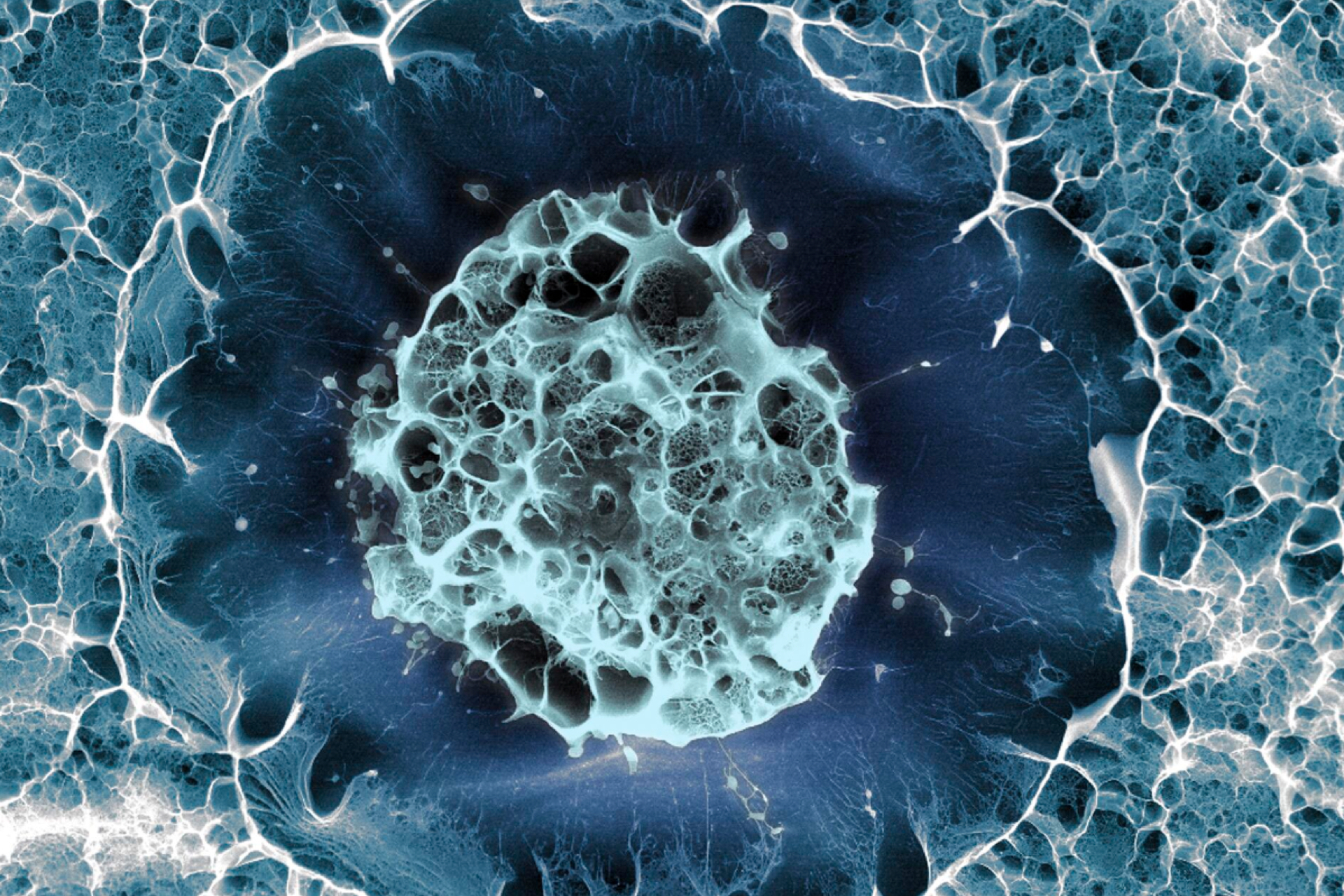
Chronic cigarette smoke exposure may change lung stem cells in ways that influence which types of lung cancer develop when cancer-driving genetic alterations occur...


Researchers working in childhood cancer survivorship explain how patient-derived stem cells could one day expand fertility restoration options, for boys whose cancer treatment has damaged their developing testes…

Human brain organoids have been kept in culture for more than five years, extending the period over which these models of human brain development have previously been maintained...


An approach based on machine learning may reveal signatures of disease in prenatal tissues based on information obtained from postnatal blood samples...
An experimental epigenome-editing therapy has shown a favourable safety profile and increased lean muscle mass in patients with a rare muscular dystrophy in an early-stage trial...
News from ESHRE – air pollution is associated with epigenetic changes in sperm DNA…

Professor Lorenz Studer and Tyler Lamb argue that existing ethical oversight enables responsible human embryonic stem cell research, and that continued NIH support is vital for regenerative medicine, disease modelling and new therapies...
Blood stem cells can retain a long-term 'memory' of inflammatory events, which may help explain links between ageing, chronic disease and blood cancers...
Professor Alfonso Martínez Arias, Dr Nicolas Rivron and Dr Naomi Moris set out key recommendations from a foundational framework for research, technological development and regulation in relation to stem-cell-based embryo models...
Epigenetic changes in colon cells caused by colitis can increase susceptibility to developing colorectal cancer in the future...