

Artificial sweetener may damage DNA
A compound found in a common artificial sweetener can cause damage to DNA in human cells...
Latin for 'within the living', referring to processes taking place within a living organism.


A compound found in a common artificial sweetener can cause damage to DNA in human cells...

Embryos have been grown in the lab for up to 25 days, the longest recorded in primates...


A new deep-learning technology can design artificial proteins, called zinc fingers, to bind with any stretch of DNA in the human genome and modify gene expression...

A recent episode of Genetics Unzipped 'Have a heart: the science of xenotransplantation' talked about the process of transplanting organs from animals into human bodies...
The question of what is a 'permitted embryo' under the legislation governing assisted reproduction in the UK has received increasing scrutiny as technological progress challenges the concept of embryohood...
A mitochondrial gene has been identified as a potential therapeutic target for prostate cancers that have spread to other parts of the body and evade current treatment strategies...
Human cells behaving like those at a crucial embryological milestone have been identified, enabling insights into early development...
High-resolution single-cell gene expression analysis has been performed on a gastrulating human embryo, providing landmark insights...
Splitting and reconstituting the enzymes used in the base editing method of genome editing may make more controlled changes possible...

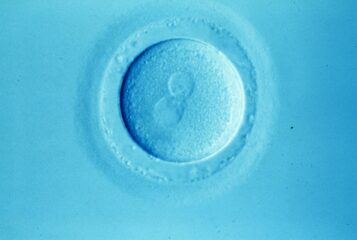
Researchers in Japan have successfully demonstrated the development of functional sperm cells that developed into fertile offspring from pluripotent embryonic stem cells, in mice...