

Salivary gland organoids developed from human pluripotent stem cells
Human salivary gland organoids derived from pluripotent stem cells have been transplanted into mice....
Latin for 'within the living', referring to processes taking place within a living organism.

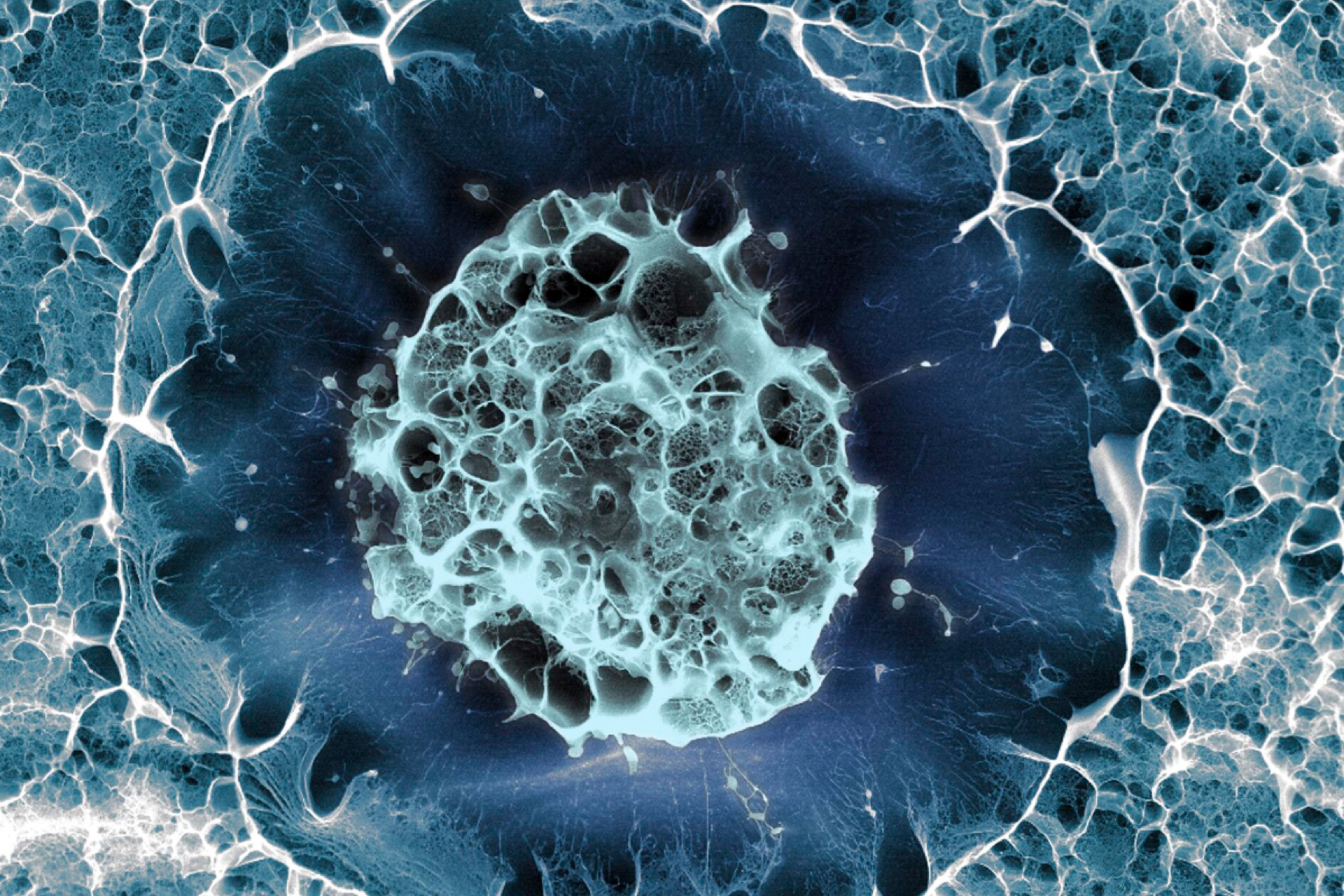
Human salivary gland organoids derived from pluripotent stem cells have been transplanted into mice....

Human brain organoids have been kept in culture for more than five years, extending the period over which these models of human brain development have previously been maintained...

A single-dose CRISPR-based genome-editing therapy for hereditary angioedema has shown positive Phase 3 clinical trial results and entered a step-by-step approval process with US regulators...
CRISPR-based genome editing has been used to overcome chemotherapy resistance in lung tumours by disabling a tumour-specific mutation...
CRISPR/Cas9 has been used to identify genome editing targets that significantly enhance the efficiency of a targeted therapy for myeloma, a type of cancer...
Professor Barry Bavister explains how he became the first person ever to witness IVF in humans, when he looked down a microscope in 1968 while working alongside IVF pioneer Professor Sir Robert Edwards...

The real time process of a human embryo implanting has been recorded for the first time in 3D, offering a glimpse into a critical yet previously hidden process...
Blood stem cells can be targeted directly with gene therapy to improve survival of newborn mice with rare disorders...
Professor Emma Cave argues that even if human stem-cell-based embryo models were to replicate embryos so accurately that they ceased to be 'models', there would still – even then – be good reasons to distinguish them from embryos for regulatory purposes…
A novel gene insertion therapy may be able to cure infants of a rare genetic liver disease...
