
A tribute to Dr Marta Shahbazi (1985-2026)
The director and deputy director of PET pay tribute to Dr Marta Shahbazi – a prominent and inspiring figure in human embryo research, who was killed in last week's rail collision in Spain...
A stem-cell-based embryo model (SCBEM) is a coherent multicellular structure that – in some respects – resembles an embryo in the earliest stages of development.
SCBEMs are created in the laboratory from stem cells, rather than from eggs and sperm.
The director and deputy director of PET pay tribute to Dr Marta Shahbazi – a prominent and inspiring figure in human embryo research, who was killed in last week's rail collision in Spain...

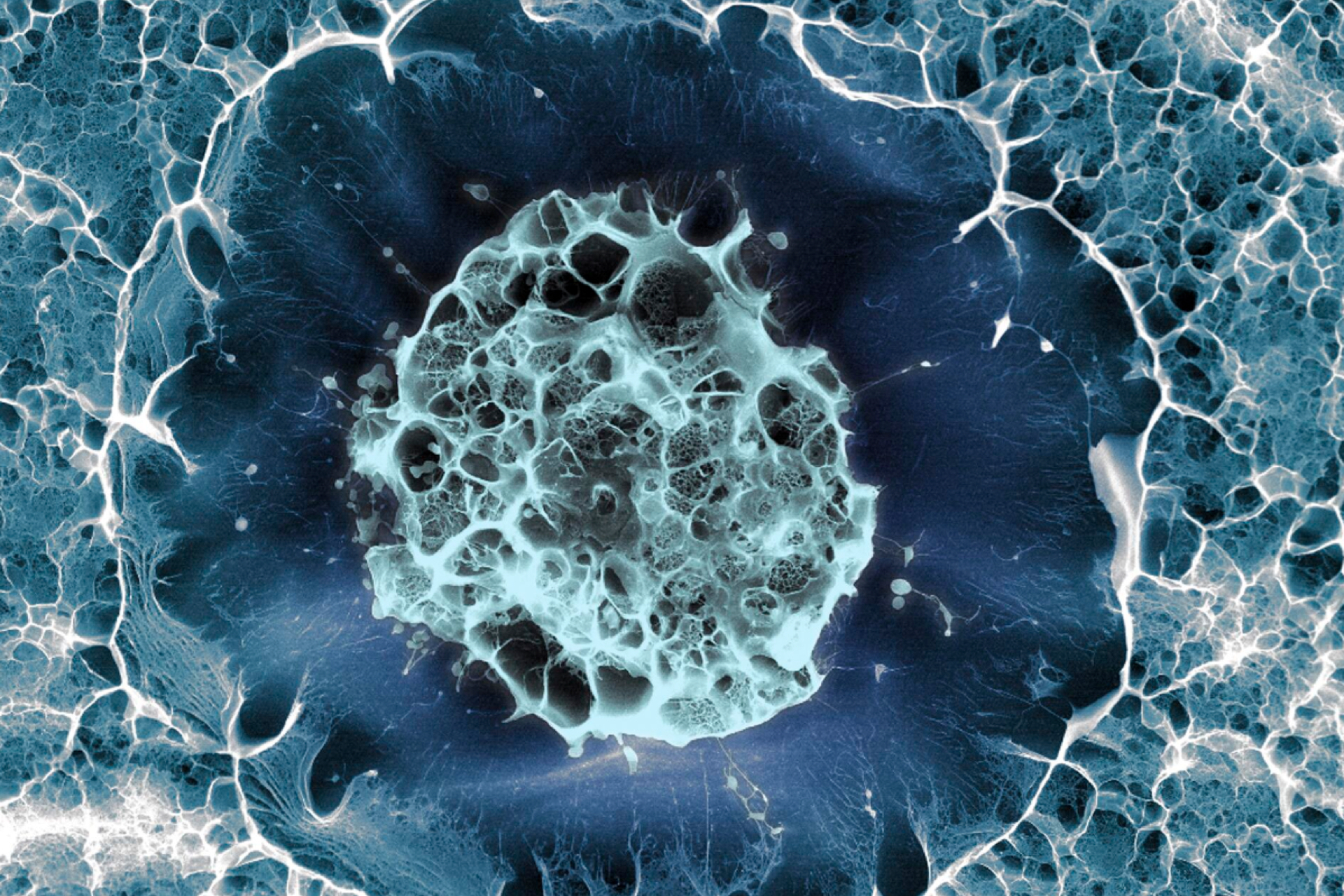
A newly devised benchmark provides a measure of how closely different human stem-cell-based embryo models resemble early natural human embryos...

France will need to update its bioethics law by 2028. Adrien Bottacci explains what recent recommendations could mean for the 14-day limit on human embryo research, and for research involving stem-cell-based embryo models...
Dr Naomi Moris and an international group of colleagues propose three broad categories of ethical value and five categories of morally relevant biological features that can inform oversight of research involving human stem-cell-based embryo models...

Lead author of the Regulatory Horizons Council's report on in vitro gametogenesis, Dr Andy Greenfield, argues that the UK should begin preparing now for emerging reproductive technologies, taking an anticipatory approach to regulation...
The Dutch Embryo Act has governed the handling of oocytes, sperm cells and embryos since 2002. However, the rapid emergence of stem-cell-based embryo models and scientific interest in early human development are now driving debate around multiple provisions of the Act...
Professor Karen Sermon and Sarah Norcross explain why ESHRE and PET have collaborated to publish the wide-ranging report 'Fertility, Embryo Research and Genome Editing: Public Attitudes in Europe'...
Coordinated best practice guidance and a pivot to a forward-looking regulatory approach to emerging biotechnologies can enable neural organoid research to flourish responsibly, protecting ethical standards and public confidence...
Professor Emma Cave explores how adaptive governance and regulatory sandboxing could help the UK support emerging biotechnologies while maintaining public trust and effective oversight…