

Human brain organoids kept for more than five years in a dish
Human brain organoids have been kept in culture for more than five years, extending the period over which these models of human brain development have previously been maintained...
A cell that can multiply and give rise to a variety of other, more specialised cell types. For example, stem cells in the bone marrow make many different blood cells.


Human brain organoids have been kept in culture for more than five years, extending the period over which these models of human brain development have previously been maintained...
Gene therapy designed to deliver a healthy copy of the ALPK3 gene can restore heart function, raising the possibility of a future treatment for some forms of inherited cardiomyopathy...
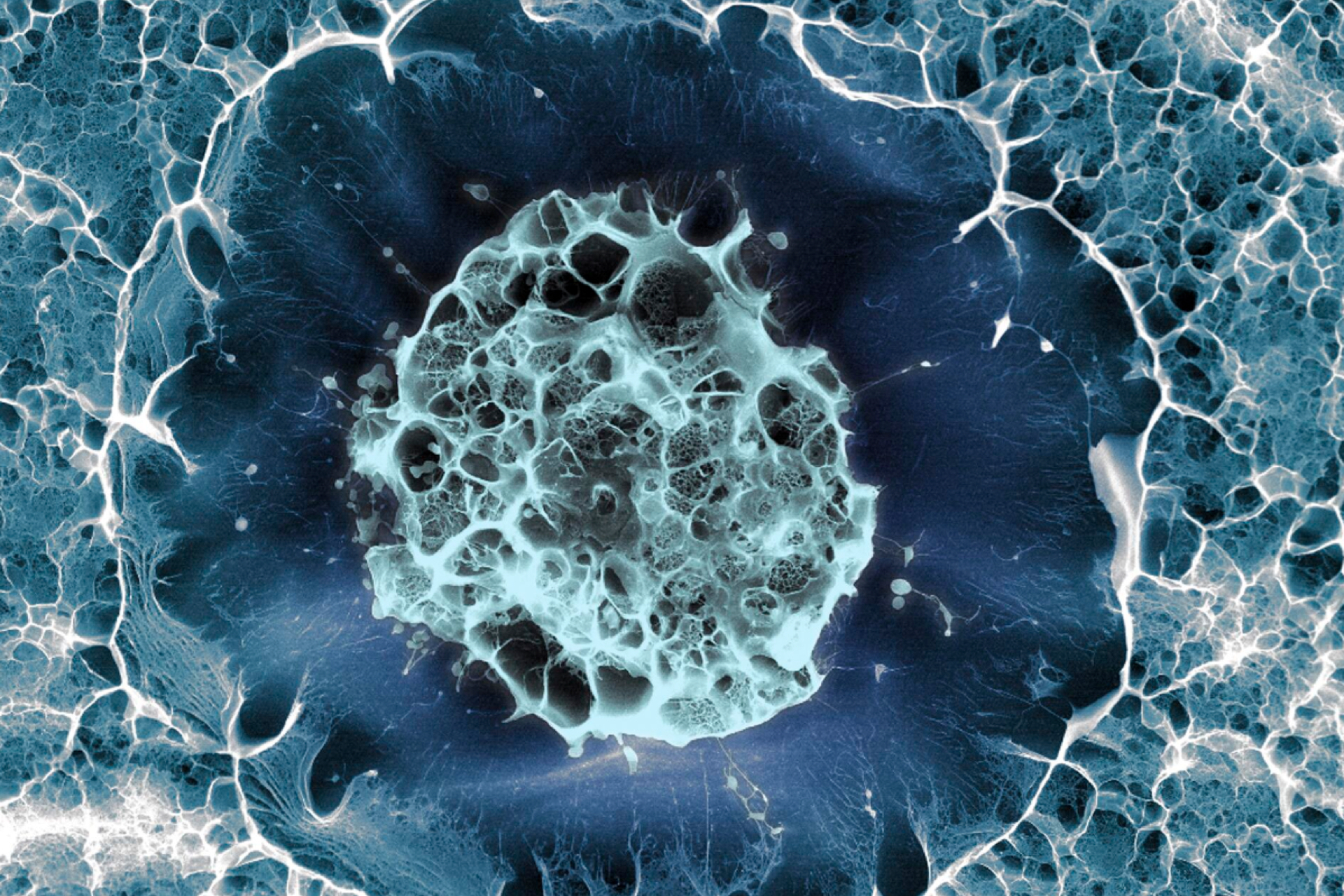
Vanillin, a common flavouring used in vapes and e-cigarettes, may pose a risk to embryonic development if inhaled during pregnancy.....


Lead author of the Regulatory Horizons Council's report on in vitro gametogenesis, Dr Andy Greenfield, argues that the UK should begin preparing now for emerging reproductive technologies, taking an anticipatory approach to regulation...
A stem cell therapy designed to replace dopamine-producing nerve cells lost in Parkinson's disease has passed its first major clinical safety milestone...
Transplanting neural stem/progenitor cells into people with recent spinal cord injuries has provided early evidence that the approach can be delivered safely, according to a first-in-human study published in Nature Medicine...

A landmark study highlights the importance of donated embryos and gametes in reproductive research. Dr Valerie Shaikly argues that more patients should have the opportunity to donate...
