

AI may improve accuracy of 'combined' prenatal test for Down's syndrome
A new approach to high-chance prenatal Down's syndrome screening, involving AI, could improve the predictive accuracy of the 'combined' test for Down's syndrome...
The presence of an extra chromosome, resulting in a total of three chromosomes of a particular type instead of a pair - for example, trisomy 21, which causes Down syndrome.


A new approach to high-chance prenatal Down's syndrome screening, involving AI, could improve the predictive accuracy of the 'combined' test for Down's syndrome...

Mair Crouch, author of the book 'Medical Genetics and Law: An International Perspective', explains why legal professionals need an understanding of genomics (and vice versa)...
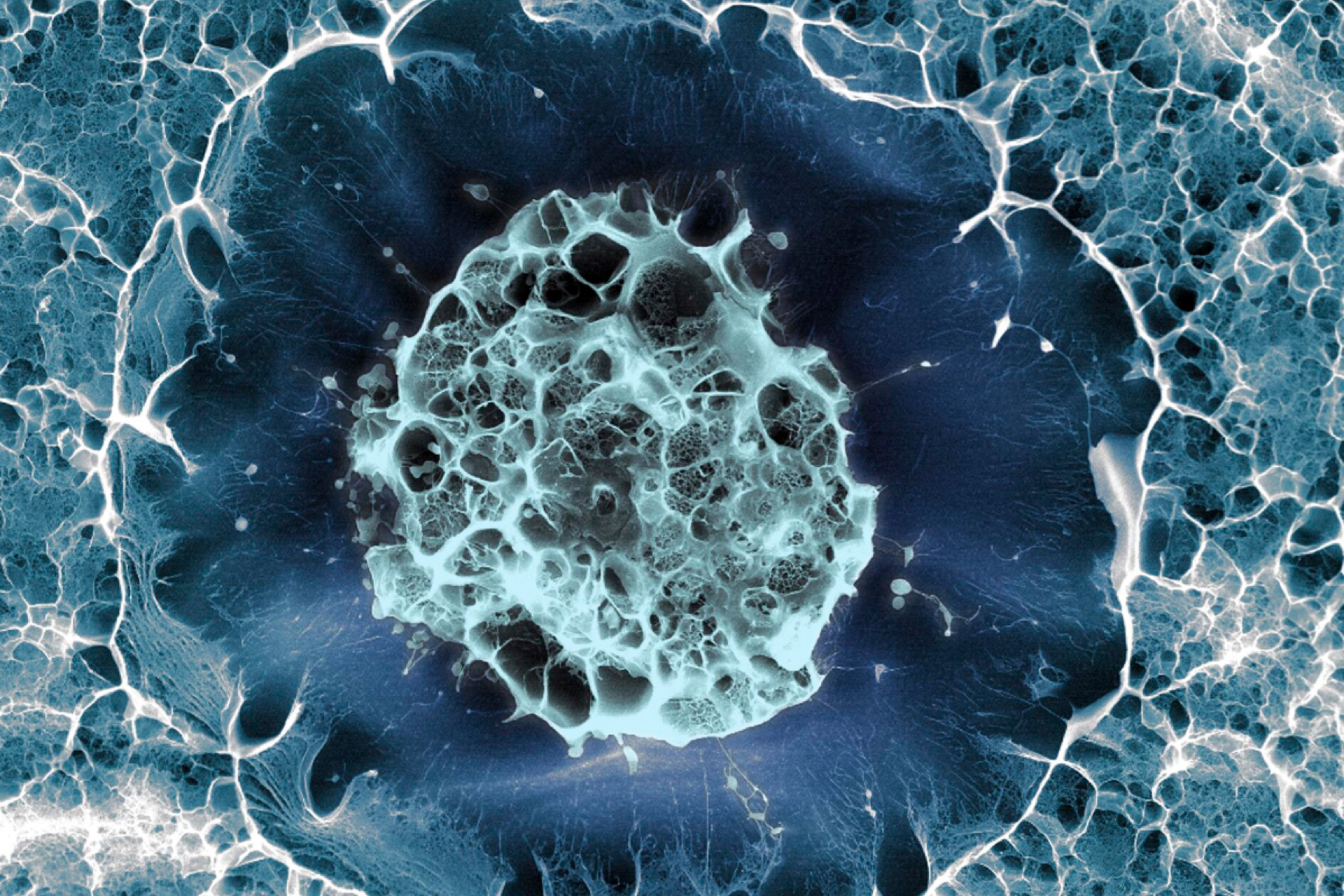
The extra copy of chromosome 21 in individuals with Down's syndrome disrupts blood cell development during fetal growth, explaining their increased risk of developing leukaemia during childhood...
A Texas court has awarded $100 million more damages to a company whose patents for non-invasive prenatal testing technology were infringed by a competitor...
How the X shape of chromosomes is formed during cell division has been discovered at a molecular and atomic level...
Prenatal genetic test results need to be communicated better, according to the US Food and Drug Administration...
In a recent press statement on the use of preimplantation genetic testing of human embryos, the HFEA stated that 'Embryo selection is only legal in the UK to avoid serious inherited illnesses, usually by means of pre-implantation genetic diagnosis authorised by the HFEA, known as PGT-M or PGT-SR'…
Non-invasive prenatal testing to detect chromosomal abnormalities in twin pregnancies is not as accurate as in singleton pregnancies...
Non-invasive prenatal testing (NIPT) was first introduced in 2011, when breakthroughs in sequencing technology allowed the analysis of cell-free fetal DNA(cffDNA) in maternal blood to detect genetic abnormalities in the foetus, such as trisomy 21 (Down
Errors in the genetic material of embryonic cells following IVF are more common and less damaging in normal human development than previously thought...