

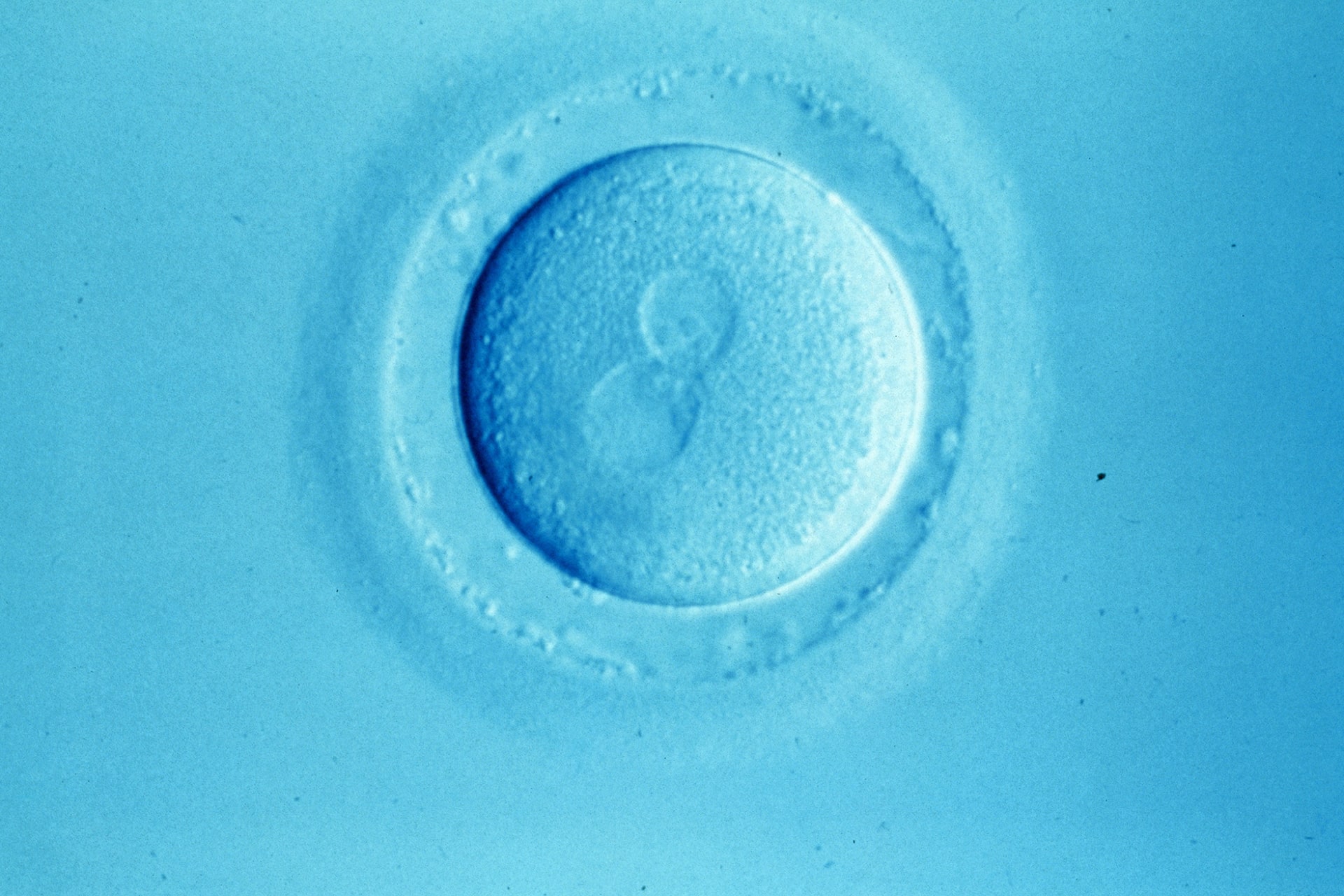
Chronic inflammation and premature ageing of the ovaries have been associated with the loss of a specific gene in mice.
A team led by scientists at Monash University, Melbourne, Australia, has identified a gene that may exert a protective effect on the female reproductive lifespan. Preclinical studies on mice showed that lacking a gene known as Nfkb1 was linked to rapid loss of oocytes, as well as persistent low-level inflammation within the ovary. The gene codes for a key protein that helps regulate a wide range of biological processes, including immune and stress responses.
'Our findings suggest that loss of the Nfkb1 [gene] may cause chronic low-grade inflammation in the ovary, accelerating the age-associated depletion of follicles, leading to early loss of fertility and premature menopause,' said Professor Karla Hutt, the senior author of the study published in Reproductive Biology and Endocrinology.
Female fertility declines with age as the stock of primordial follicles containing immature egg cells gets progressively depleted. Compared to age-matched healthy mice, animals lacking one or both Nfkb1 alleles had similar levels of ovarian reserves early on, but displayed increased follicle loss halfway through their reproductive lives (around six months of age).
Levels of Anti-Müllerian hormone, a clinically relevant biomarker of ovarian health, were also reduced in six-month old mice without Nfkb1, which is consistent with premature ageing of the ovaries.
In addition, these animals showed higher expression levels of major pro-inflammatory genes within their ovaries. While the loss of oocytes is a natural process, research suggests that adverse physiological conditions such as inflammation could speed up this phenomenon. Better understanding these processes could have relevant health implications for women who experience early loss of ovarian function.
'Women with premature ovarian insufficiency not only experience infertility, but also undergo an early decline in ovarian hormone production,' noted Professor Hutt. 'This can increase the risk of long-term health conditions such as heart disease and osteoporosis.'
The search for genetic determinants of fertility and menopause is still at an early stage, with only a few genes identified as having a clear role in fertility (see BioNews 1062). The researchers hope their findings will encourage further research into how Nfkb1 and other genes impact fertility in women.
'Such studies could provide valuable insights into fertility genetics which could help inform clinical care,' said Professor Hutt. 'Ultimately, this gene, or inflammatory pathways linked to it, could become targets for interventions aimed at extending a woman's ovarian and reproductive lifespan.'
Sources and References
Related Articles

Infertility and endometriosis linked to higher risk of earlier menopause
Women with primary infertility are more likely to enter menopause sooner, a long-term study has concluded...
Women with primary ovarian insufficiency at higher risk of autoimmune conditions
Women with premature ovarian insufficiency, or 'premature menopause', are two to three times more likely to develop severe autoimmune diseases during their lifetime...


Genetic mechanisms link egg ageing and cancer risk
A genomic study has identified five gene variants associated with earlier menopause and increased risk of cancer...
Gene variant identified that can cause early menopause
Menopause occurs an average of nine years earlier in women with two copies of a variant of the CCDC201 gene...
Connection of genes to premature menopause more complex than thought
Genetic variants previously thought to cause premature menopause are unlikely to be solely responsible for the condition, researchers have revealed...
Infertility and early menopause linked to genetic mutations
Researchers have identified a gene that plays a key role in fertility across multiple species and may contribute to our understanding of age-related infertility in women...
Genetic link to early menopause
New research may lead to a genetic test to identify women at risk of early menopause...