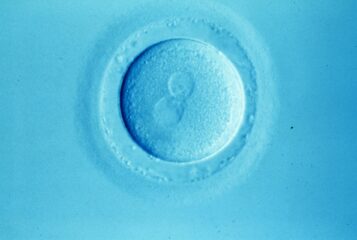
Stem cell research shows vape flavour could affect embryo development
Vanillin, a common flavouring used in vapes and e-cigarettes, may pose a risk to embryonic development if inhaled during pregnancy.....
Cells are the building blocks of living things. A human body is made up of around 100 trillion cells.

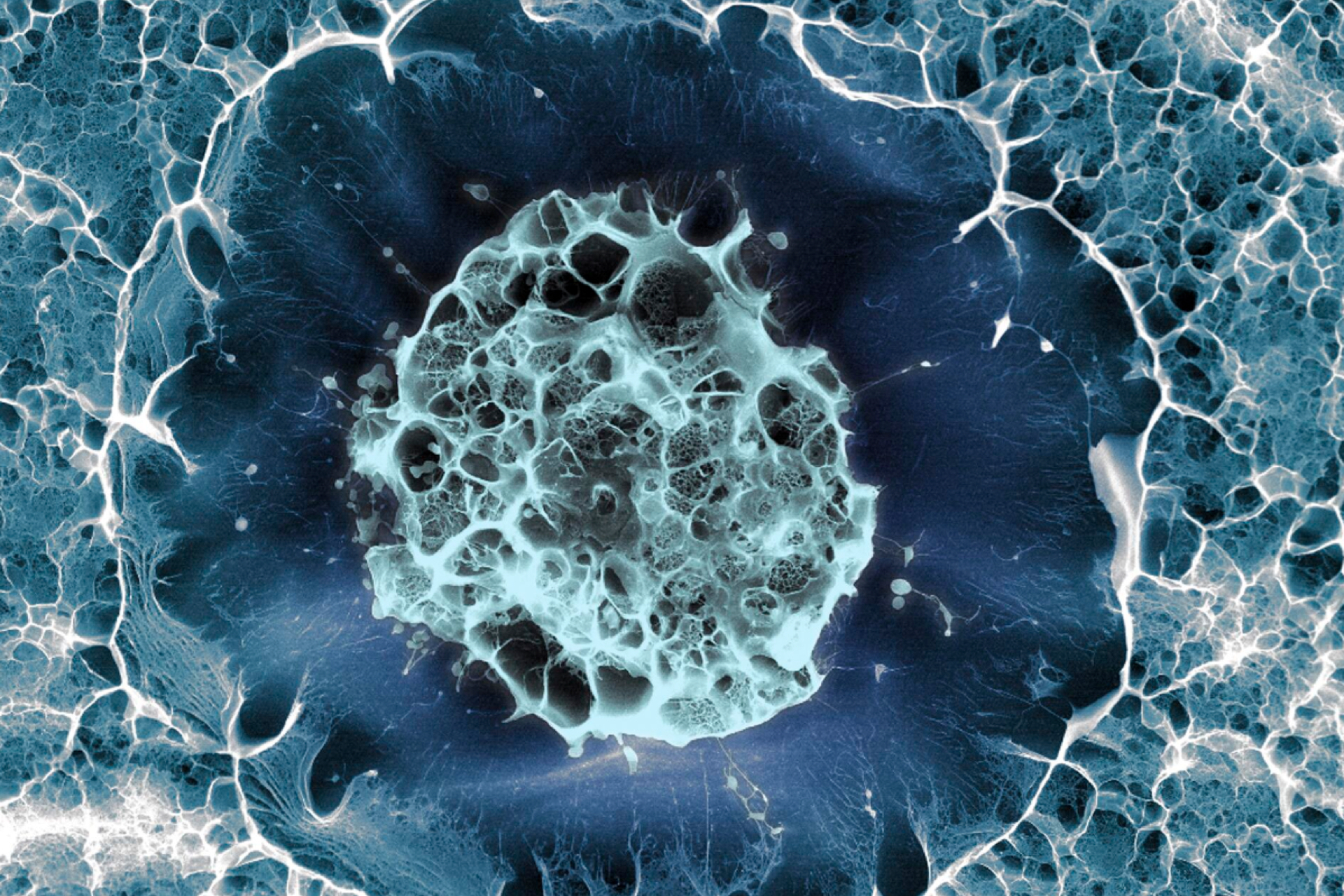
Vanillin, a common flavouring used in vapes and e-cigarettes, may pose a risk to embryonic development if inhaled during pregnancy.....

A comprehensive biobank of patient-derived tumour organoids has been developed to map genes that cancer cells depend on for growth and survival...


Fertility clinics have been criticised for advertising mitochondrial donation to women not affected by mitochondrial disease, claiming that it can boost their chances of IVF success...
Inherited genetic differences may help explain why people exposed to the same cancer risk factors, such as smoking and ultraviolet radiation, do not all develop cancer, according to research in mice...

Behind every scientific breakthrough is a story. Dr Oliver Bower, the lead author of a recent Nature study, describes how listening to people affected by genetic disease reshaped his research and his perspective on the future of genome editing...
A landmark study highlights the importance of donated embryos and gametes in reproductive research. Dr Valerie Shaikly argues that more patients should have the opportunity to donate...

The Dutch Embryo Act has governed the handling of oocytes, sperm cells and embryos since 2002. However, the rapid emergence of stem-cell-based embryo models and scientific interest in early human development are now driving debate around multiple provisions of the Act...
An experimental autologous T cell therapy has shown encouraging early results in children with aggressive brain tumours...
A synthetic cell created entirely from non-living chemical components can grow, replicate its genetic material and divide, completing the typical life cycle of a cell in the laboratory...