

Ethics of genetically reconstituting oocytes
In the 16 December issue of Nature, researchers reported that the addition of eight transcription factors to pluripotent stem cells converted them into a primary oocyte-like cell...
Egg and sperm cells (also known as gametes) and their precursors.
In the 16 December issue of Nature, researchers reported that the addition of eight transcription factors to pluripotent stem cells converted them into a primary oocyte-like cell...
Identical twins may not in fact be genetically identical at birth, according to a new study by researchers in Iceland...

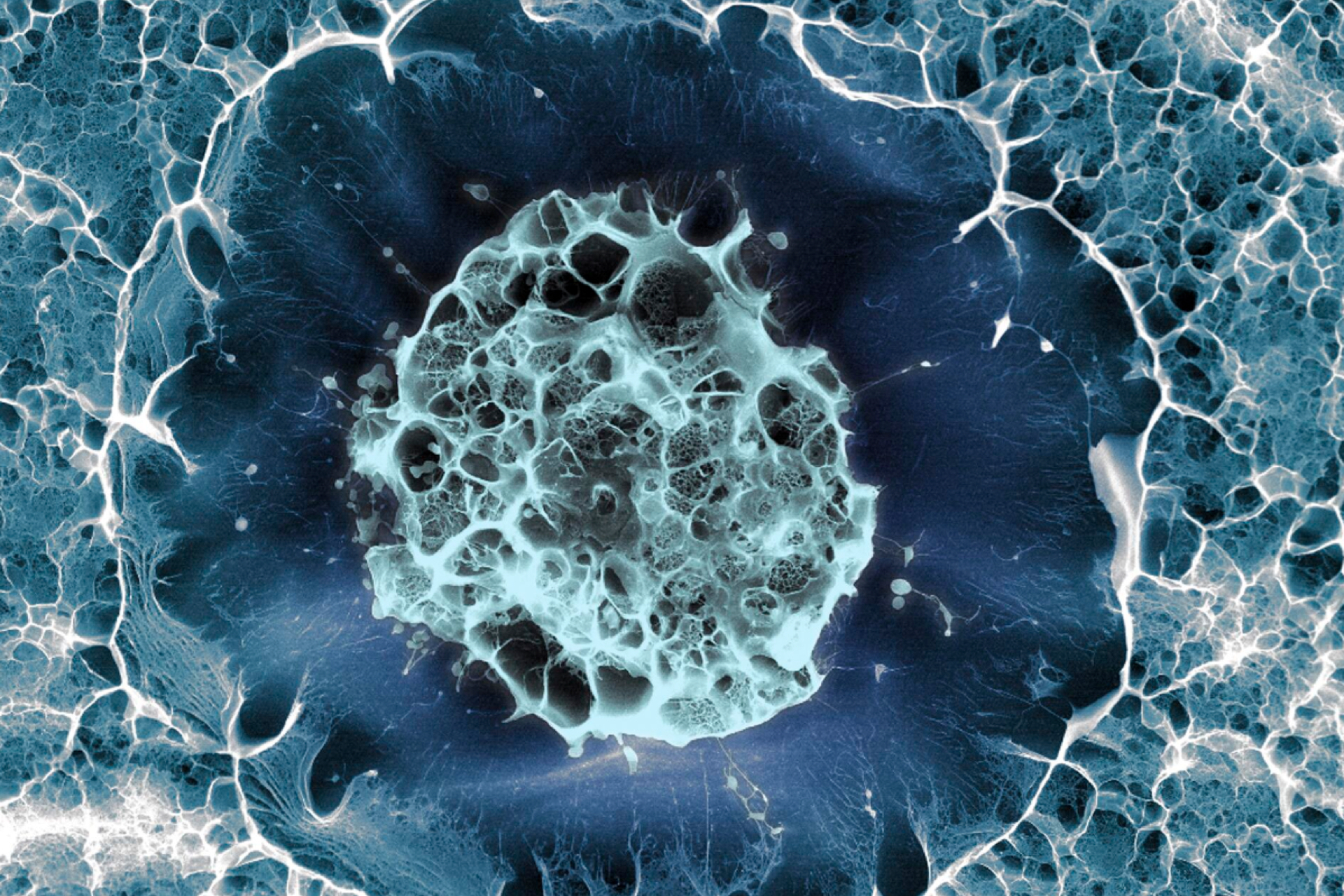
Development of a new 'intermediate' embryonic stem cell type, able to generate gamete cells and chimeras, could lead to advances in regenerative medicine and reproductive biology...
Scientists have directly delivered proteins to mouse testes for the first time, in an attempt to treat male infertility...
The transformative impact of CRISPR/Cas9 genome editing was recognised last week, with the Nobel Prize being awarded to its founders Jennifer Doudna and Emmanuelle Charpentier...


Although we have known of the interactions of nature and nurture for decades, the term 'epigenetics' has only recently been taken up by scientists and the wider public to refer to these phenomena...
Thirty-three genes associated with male infertility have been identified through a 'genomics-first' approach to understanding the condition...
Mutations in the M1AP gene have been identified by researchers as a major trigger for male infertility...
Determining when ageing starts, our predicted remaining lifespan, and how long women remain fertile can be predicted from the rate we accumulate mutations as young adults, scientists claim...
The first 'virtual embryo' has been created to help understand early embryo development and the evolution of one single cell into many cells of different types...