


Non-invasive PGT-A did not improve pregnancy rates
A non-invasive form of PGT-A did not improve pregnancy rates in a clinical trial, but did reduce early miscarriages...
A mammalian embryo in the first stage of development, when the fertilised egg has grown into a hollow ball made up of a few hundred cells.
A non-invasive form of PGT-A did not improve pregnancy rates in a clinical trial, but did reduce early miscarriages...


Base editing can efficiently alter the DNA of human embryos, but it can also result in unintended genomic changes....

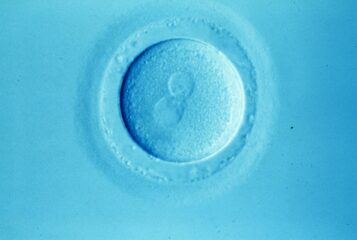
Dr Kylie Baldwin and Stuart Lavery consider the complexities behind egg freezing, exploring why women freeze their eggs, what 'success' means, and what happens to eggs that are never used...

PGT-A is widely used to assess the chromosome status of IVF embryos, but how accurately can a biopsy of just a handful of cells predict an embryo's genetic makeup? Dr Desislava Staneva explains why interpreting PGT-A results is more complex than it may first appear...
News from ESHRE – improvements in IVF protocols have improved birth rates, while reducing the number of multiple pregnancies…
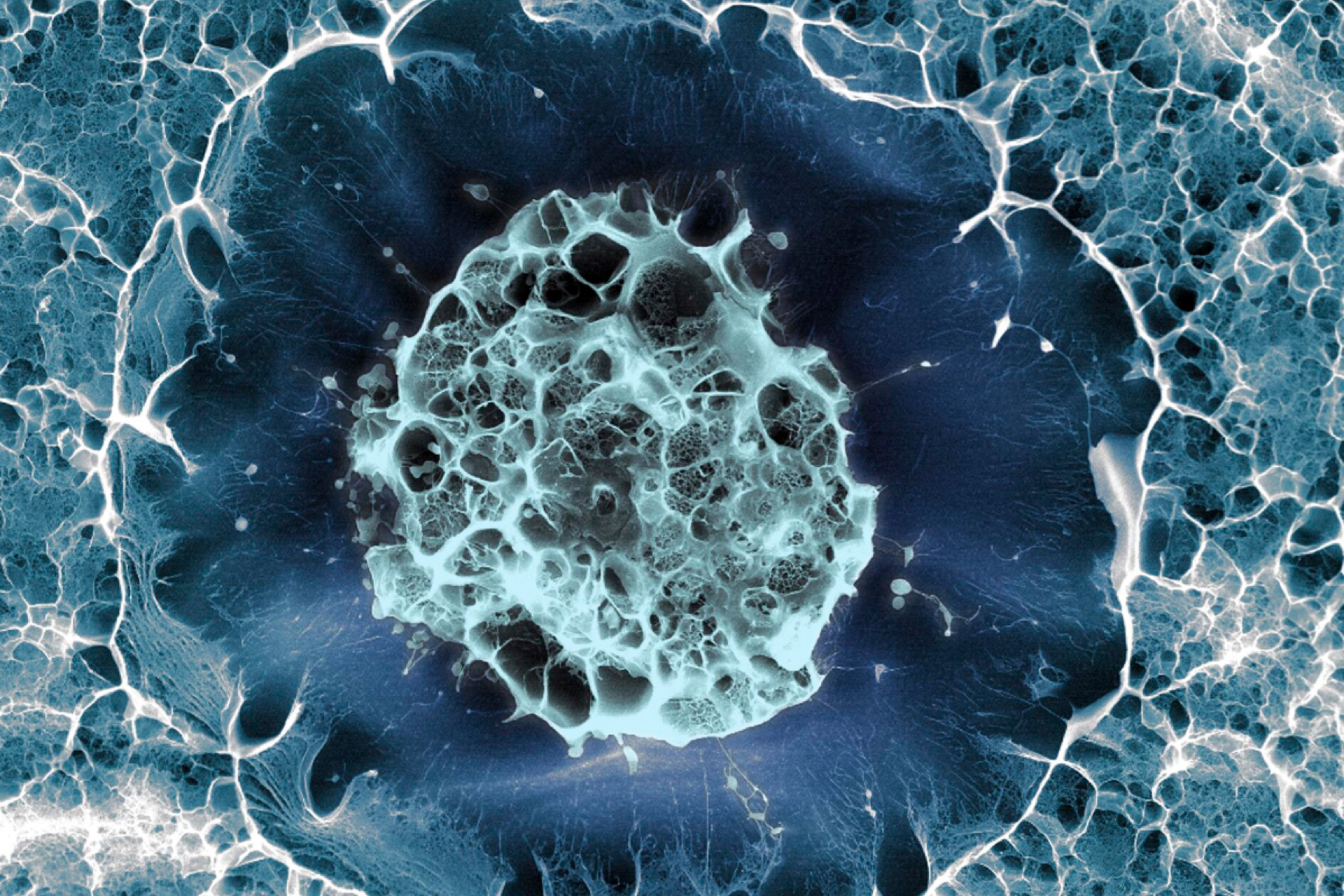
A simplified stem-cell-based embryo model of the early human embryo has revealed a key mechanism required for blastocyst cavity formation...
The fifth session of 'What Does Genomics Mean for Fertility Treatment?' – the 2025 Annual Conference of PET – brought together clinical, scientific and ethical perspectives on the relationship between genomics and donor conception...
Nick Hopwood, from the Department of History and Philosophy of Science at the University of Cambridge, discusses the accuracy and authenticity of the film 'Joy: The Birth of IVF'...
A novel method for visualising human blastocyst development – which has led to findings with implications for PGT-A – is described by Dr Ahmed Abdelbaki, a postdoctoral researcher in the Niakan Lab at the University of Cambridge...
Egg cells have been created from human skin cell DNA, which have then been fertilised with sperm to create embryos...

