

Genome editing may enable a less toxic approach to stem cell transplantation
Donor stem cells that underwent a precise type of genome editing could pave the way for safer, chemotherapy-free transplants, new results in mice show...
A group of diseases that start when the signals that control how much and how often cells divide stop working properly. This causes cells to grow and multiply too much, and eventually to invade other tissues.


Donor stem cells that underwent a precise type of genome editing could pave the way for safer, chemotherapy-free transplants, new results in mice show...
Seven experts discussed the sensitive case of donor 7069 and explored what could be done to avoid it happening again, as well as how to improve outcomes if it did...


Former consultant embryologist Jane Blower was recognised in this year's King's Birthday Honours List alongside Professors Andrew Mumford, Bruce Whitelaw and Gareth Evans...

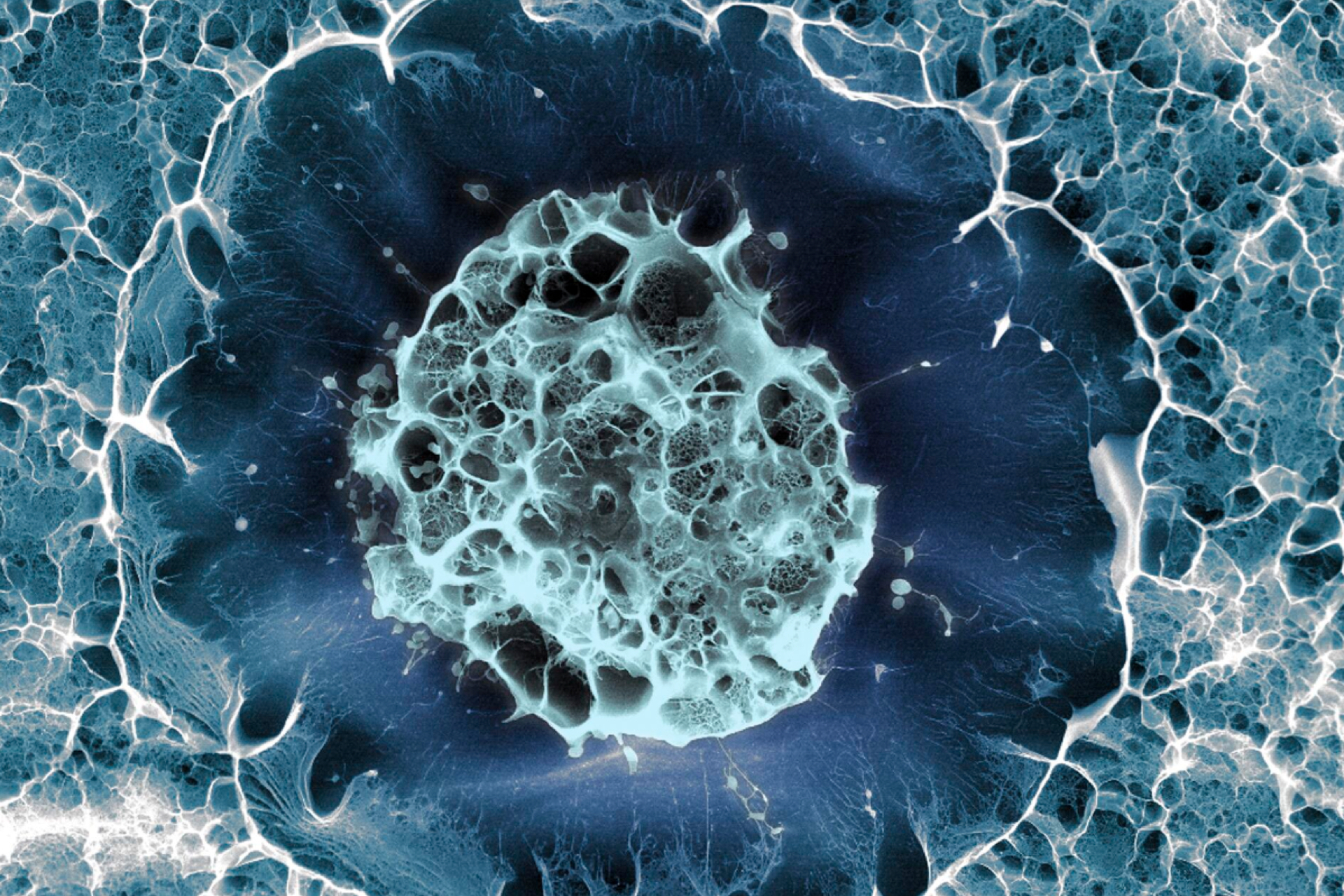
Early results from an ongoing Phase I clinical trial suggest that a single dose of CAR T-cell therapy may benefit patients with severe, treatment-resistant lupus...
A new experimental gene therapy has shown early success in treating a rare genetic epilepsy syndrome...
The UK National Screening Committee has announced that it does not recommend widespread screening for prostate cancer at the current time...
Overproduction of a DNA repair protein called EXO1 can trigger DNA damage and increase chemotherapy sensitivity in human cancer cells, a new study has reported...

