

Cancer DNA detected at low levels with CRISPR-based liquid biopsy
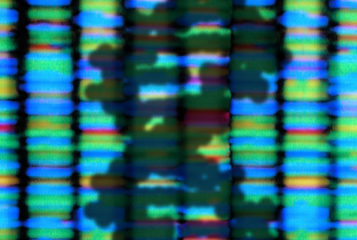
A new method for identifying small amounts of DNA from cancer cells in the blood may offer further opportunities for early cancer detection...
Proteins produced by a living organism which act to bring about, or increase the rate of, a specific biochemical reaction.
A new method for identifying small amounts of DNA from cancer cells in the blood may offer further opportunities for early cancer detection...
Infection by a common virus during childhood is associated with the development of bladder cancer later in life...
by Dr Teja Rus
A new multipurpose genome editing approach could address around a third of rare genetic diseases...
Dr Jess Buxton attended PET's most recent event, which discussed how to improve diagnosis, treatment and support for people affected by rare and inherited metabolic diseases...
Follow-up of gene therapy-treated children born with an immune disorder has confirmed the treatment is safe and 95 percent effective...
Enzymes help sperm boost energy production at the right time to swim towards and fertilise an egg, according to new research...
In this podcast, Tomasz Grybek discusses his family's personal experience of the rare genetic condition metachromatic leukodystrophy, focusing on the struggle to access treatment, and his journey to becoming a patient representative on the EMA Paediatric Committee...
Base editing has been used to correct the mutation causing late-onset Tay-Sachs disease in mice and human cells...
The real time process of a human embryo implanting has been recorded for the first time in 3D, offering a glimpse into a critical yet previously hidden process...
A world-first gene therapy has successfully been used to restore the immune system of a teenager with a rare genetic condition...
Subscribe for free to what PET does best – informing you of the latest in fertility, genomics and embryo research.