

Personalised gene therapy shows promise for rare childhood epilepsy
A new personalised genetic therapy has shown early success in treating two children with a rare genetic epilepsy syndrome...


A new personalised genetic therapy has shown early success in treating two children with a rare genetic epilepsy syndrome...
An 11-year-old girl has become the first UK patient to receive an experimental gene therapy for an inherited eye disorder...

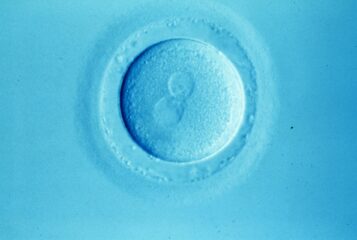
Chronic inflammation and premature ageing of the ovaries have been associated with the loss of a specific gene in mice...

Behind every scientific breakthrough is a story. Dr Oliver Bower, the lead author of a recent Nature study, describes how listening to people affected by genetic disease reshaped his research and his perspective on the future of genome editing...
A landmark study highlights the importance of donated embryos and gametes in reproductive research. Dr Valerie Shaikly argues that more patients should have the opportunity to donate...
An experimental epigenome-editing therapy has shown a favourable safety profile and increased lean muscle mass in patients with a rare muscular dystrophy in an early-stage trial...
A synthetic cell created entirely from non-living chemical components can grow, replicate its genetic material and divide, completing the typical life cycle of a cell in the laboratory...
News from ESHRE – air pollution is associated with epigenetic changes in sperm DNA…
Using base editing, a highly precise method of genome editing, scientists have investigated the role of the NANOG gene in human embryos for the first time with this approach...