

Base editing corrects mitochondrial DNA mutation in human cells
A precision genome editing approach has successfully corrected harmful mutations in mitochondrial DNA, offering new hope for treating currently incurable mitochondrial diseases...
An artificially grown mass of cells or tissue that resembles an organ.


A precision genome editing approach has successfully corrected harmful mutations in mitochondrial DNA, offering new hope for treating currently incurable mitochondrial diseases...
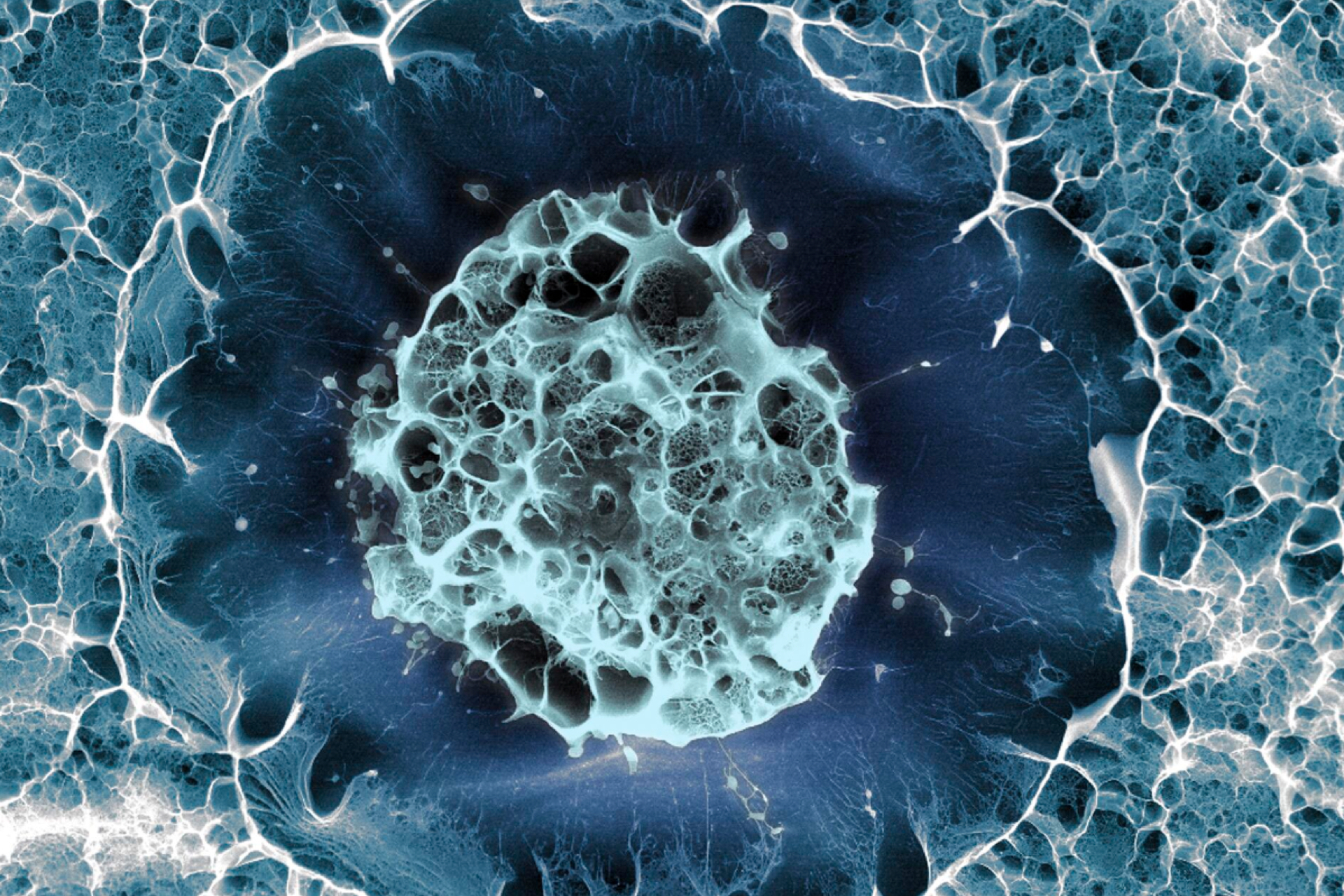
Blood vessels grown in the lab in five days helped to restore blood flow and reduce tissue damage in mice...


Molecular signals that give identity to cells in the early developing brain have been identified...
Researchers have identified a previously unreported population of human stem-like cells capable of regenerating retinal tissue and potentially promoting vision recovery...
Repeated head injuries, such as concussions, may increase the risk of Alzheimer's disease and dementia by reactivating the herpes simplex virus in the brain...
Engineered cells have been developed that can direct stem cells to form specific tissues and organoids, which may aid in the understanding and treatment of complex diseases...

The second session of the PET 2024 Annual Conference, 'What Is the Embryo's Special Status in the Lab?', focused on the opportunities and challenges presented by using human embryos in research...
