

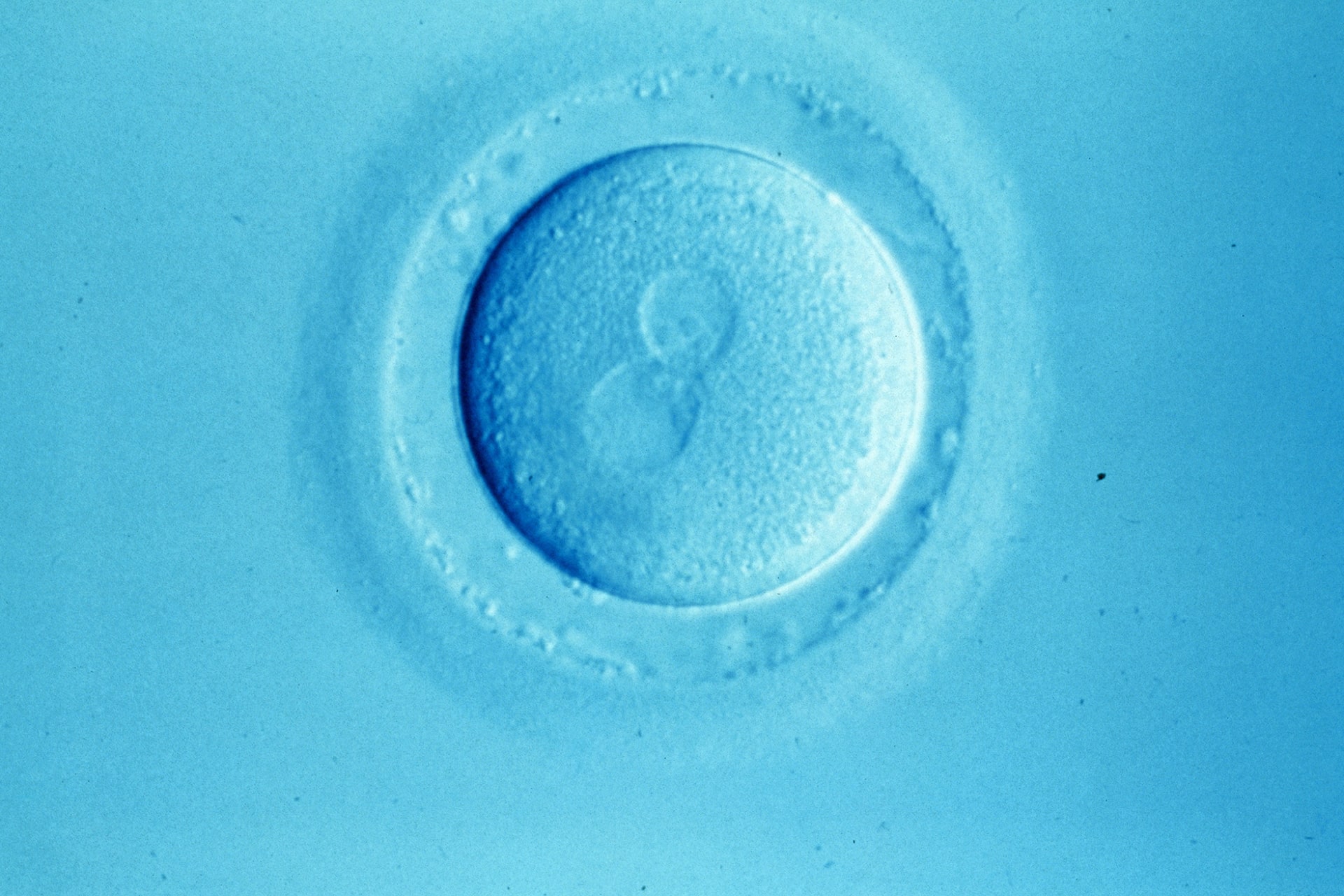
Delivery of messenger RNA (mRNA) into the testes of infertile mice can reactivate spermatogenesis.
Sperm cell production was restored in mice with a genetic form of infertility after injection of mRNA into the testes. The research group from Kyoto University, Japan, used mice with a specific gene knockout that meant they did not produce mature, viable sperm. Upon receiving the mRNA template of the gene they were lacking, however, these previously infertile mice were able to produce sperm which, when used for IVF, resulted in healthy pups.
'These findings demonstrate the potential of mRNA-based therapy for treating male infertility by targeting testicular somatic cells, without introducing genetic material into the germline,' wrote the group in their paper published in Stem Cell Reports.
The World Health Organisation estimates that one in six people is affected by infertility, with a male factor being a primary or contributing cause in about 50 percent of couples. Problems with spermatogenesis mean that viable sperm are not produced, and therefore, these issues cannot be solved with IVF or ICSI.
Sperm production in the testes is supported by Sertoli cells, a group of somatic cells tasked in particular with creating the blood-testes barrier that protects haploid germ cells from the body's immune response. The Sertoli cells of the mice used in the study lacked a gene important for this immune function, which is also implicated in human male fertility. Delivery of the mRNA transcript of this gene directly in the testes was enough to allow spermatogenesis to resume.
The injection of mRNA molecules can trigger a strong immune response that cause adverse effects. However, the modulatory role of the Sertoli cells was anticipated to reduce this process, and the results suggest little potential damage to Sertoli and germ cells despite the activation of the innate immune system.
Unlike gene therapy, where a DNA sequence is integrated within the genome, mRNA treatment is transient and does not permanently alter an individual's genetic code. Despite the short-lived nature of the expression of the mRNA injected in the testes, however, the improvement in spermatogenesis persisted for at least two months and resulted in production of mature, haploid sperm cells that were successfully used to fertilise mouse egg cells.
While this research shows promise, additional studies in animal models are needed before human applications can be considered.
Sources and References
Related Articles

Gene essential for producing functional sperm explored
Disruption to a gene causes malformations to the development of sperm tails, resulting in mice producing no functional sperm...
mRNA treatment helps mice with azoospermia to regain fertility
A new mRNA-based therapy has restored fertility in mice that were unable to produce sperm...
Lack of Prss50 genes severely affects male fertility in mouse model
An gene previously unknown to have a role in fertility has been found to be essential for healthy sperm...
Known genes associated with male infertility doubled
Thirty-three genes associated with male infertility have been identified through a 'genomics-first' approach to understanding the condition...
Research finds sperm's 'on' switch
Researchers have discovered a receptor on the cell membrane of sperm that is vital for their activation...