

First patient receives prime editing therapy for Wilson's disease
Prime editing – a type of genome editing – has been used to alter DNA directly inside a person's body for the first time...


Prime editing – a type of genome editing – has been used to alter DNA directly inside a person's body for the first time...
Children conceived through fertility treatment had higher rates of childhood cancer than those conceived naturally, although the absolute risk remains low, new research suggests...
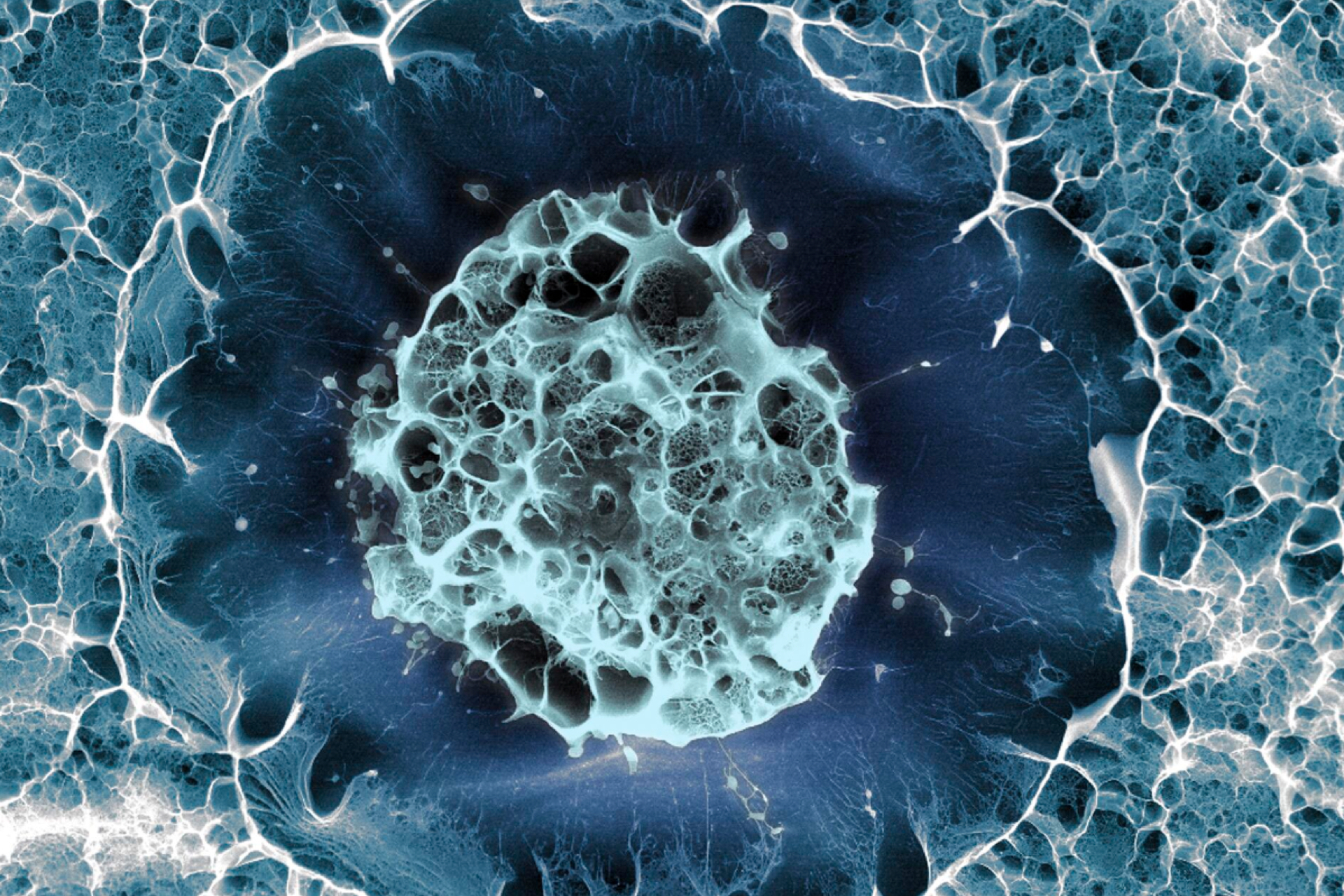
A newly devised benchmark provides a measure of how closely different human stem-cell-based embryo models resemble early natural human embryos...


New research using mice may reveal how smoking affects reproductive health via different mechanisms in men and women...

Participants in a national engagement programme have expressed support for using genomics to help prevent illness and personalise healthcare, while emphasising that its wider use must be underpinned by trust, fairness and transparency...

Belgian fertility pioneer Professor André Van Steirtegheim's book looks back over an incredible career, but lacks personal insights, writes embryologist Emily St John Jones...
Dr Sylvie Armstrong reviews an episode of the Surrogacy Daddy podcast exploring the emotional and ethical complexities of surrogacy as well as wider systemic inequalities affecting maternal health and reproductive autonomy, following a surrogate's life-threatening health complications
Dr Erin Williams discusses Professor Rod Mitchell's latest stand up comedy show, dedicated to male fertility...
Fertility counsellor Anthony Ryb reviews Pip Reilly's 'A Journey Through Male Infertility: Stronger Together', considering its aim to provide accessible support for men experiencing infertility and highlighting both its strengths and the gaps he feels limit its usefulness…
Professor Eric Turkheimer's new book argues for a re-framing of the nature-nurture debate, questioning both what heritability estimates can tell us and what they mean for our understanding of human nature…


Latest Comment
All CommentA quiet morning inside the black box: A chance at life
by Katharina Stock
Katharina Stock, first prize winner in this year's Marcus Pembrey BioNews Writing Competition, explores how AI is being used to select embryos during IVF. Who – if anyone – is accountable for the resulting decision?...
Designing disappointment: The uneasy promise of PGT-P
by Dr Kate Sheridan Clay
Dr Kate Sheridan Clay, second prize winner in this year's Marcus Pembrey BioNews Writing Competition, explores how PGT-P promises parents greater control over their future children's health and traits. What happens when the embryo they choose fails to fulfil their expectations?...
Picking the 'best' embryo: Can we trust AI?
by Guy Davies
Guy Davies, third prize winner in this year's Marcus Pembrey BioNews Writing Competition, explores what happens when AI starts to define what makes an embryo the 'best'. What are the promises and limitations of this technology?...
Population studies are key to safe newborn genome screening
by Professor Caroline Wright and 1 others
Newborn genome screening could transform the early detection of genetic conditions, but incomplete penetrance could lead to overdiagnosis and overtreatment. Large-scale population studies are needed to understand the risks and help design effective screening programmes…
Embryo research and stem cells in France: What might change?
by Adrien Bottacci
France will need to update its bioethics law by 2028. Adrien Bottacci explains what recent recommendations could mean for the 14-day limit on human embryo research, and for research involving stem-cell-based embryo models...