

Obituary: James Watson
James Watson, the co-discoverer of the DNA double helix structure, has died at the age of 97...
Chromosomes are tightly packaged bundles of DNA, the chemical that encodes genetic information.
Most of the cells in a human body have a set of 46 chromosomes in their nucleus, while egg and sperm cells have only 23.
Separately, each of the mitochondria in each cell of a human body contain their own DNA, in the form of (multiple copies of) a circular chromosome.


James Watson, the co-discoverer of the DNA double helix structure, has died at the age of 97...
A common IVF 'add-on' – preimplantation genetic testing for aneuploidy (PGT-A) – may overestimate the impact of embryo abnormalities, new research suggests...
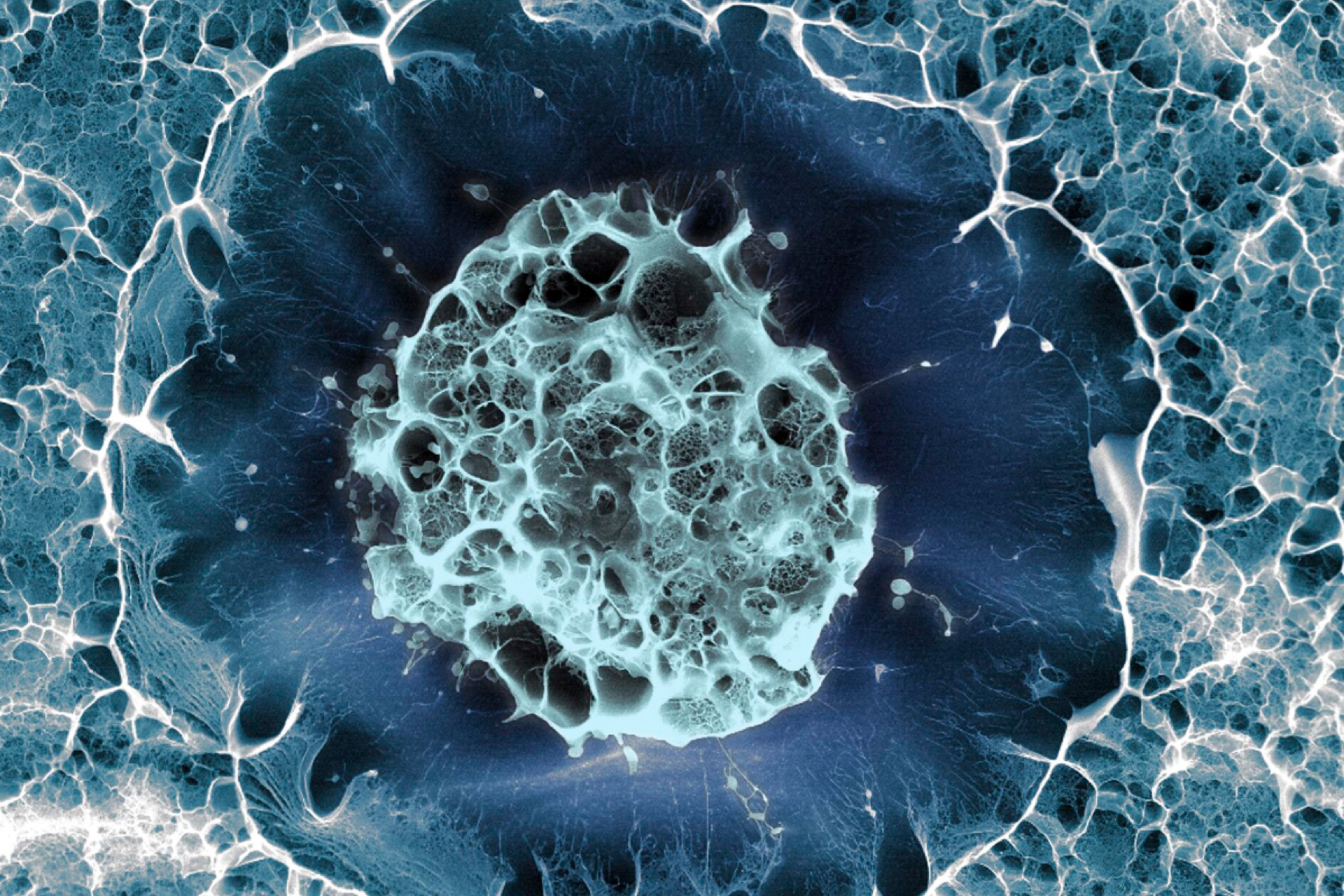
Egg cells have been created from human skin cell DNA, which have then been fertilised with sperm to create embryos...

Cannabis may directly interfere with women's ability to conceive by affecting the health of their eggs...
Human blood stem cells appear to age faster in space, a new study has found...
Genetic testing of IVF embryos could help more women over 35 have a baby in less time, according to a small study focused exclusively on women aged 35-42...
Human eggs appear to be protected from the age-related accumulation of genetic mutations in mitochondrial DNA (mtDNA)...
Dr Emma Meaburn explains what polygenic scores are, and what they can and cannot tell us about a person's risk of – or resilience to – a complex trait...
Synergistic evidence from two studies published in Nature this week have updated our understanding of the human genome...
Small RNA molecules in sperm are important for embryo development and may act as biomarkers for sperm and embryo quality, a new study has shown...
