

Embryo demonstrates a bias at the two-cell stage
When human embryos consist of only two cells, the cells are already biased towards contributing to either the placenta or the embryo, scientists suggest...


When human embryos consist of only two cells, the cells are already biased towards contributing to either the placenta or the embryo, scientists suggest...
A new dataset, combining information on cell position and gene expression from an early human embryo, has been made available as a reference for scientists investigating human development...

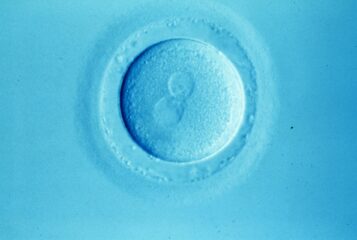
Structural changes in a specific protein triggers egg coat hardening after fertilisation, research shows...
Computational modelling has been used to describe the molecular interactions occurring at the exact moment of fertilisation, shedding light on a range of unanswered questions in fertility research...
A new dialogue report shows backing from members of the public for the extension of the 14-day limit on human embryo research...
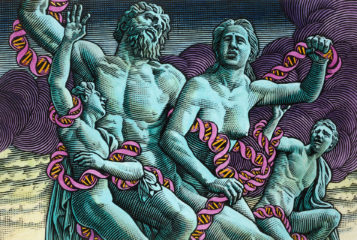


The birth of the first UK child(ren) with donated mitochondria has been confirmed by the Human Fertilisation and Embryology Authority...
A new technique for selecting sperm during assisted reproduction appears to produce embryos of a desired sex with 80 percent accuracy...

Thirty years on from the birth of the first baby using intracytoplasmic sperm injection, one of the pioneers of the technique, Professor André van Steirteghem looks back on how far they have come...
A newly discovered protein which facilitates egg and sperm fusion provides new insights into human fertilisation...