


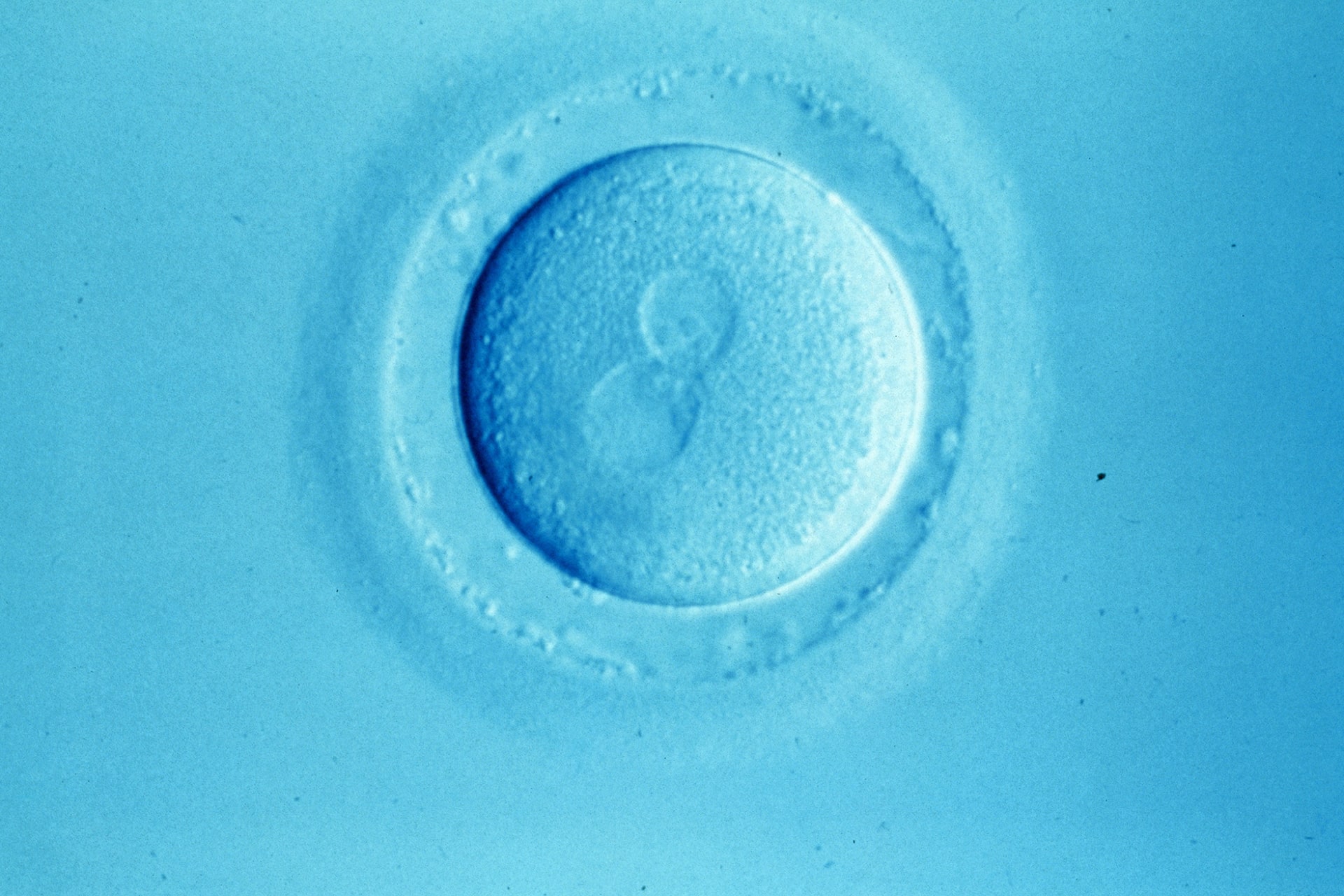
Mice born from two fathers have, for the first time, fathered viable, fertile offspring.
Researchers from Shanghai, China have created fertile mice known as 'androgenetic mice' using genetic material from the sperm of two male mice. Previous attempts have produced unviable or infertile offspring, due to a phenomenon called genetic imprinting, where parts of the genome carry epigenetic marks denoting whether the copy from the mother or the father should be expressed. To create either female-parent-only or male-parent-only offspring, these imprinted regions must be deleted or modified.
'Our findings, together with previous achievements of uniparental reproduction in mammals, support previous speculation that genomic imprinting is the fundamental barrier to the full-term development of uniparental mammalian embryos,' said the researchers from Shanghai Jiao Tong University led by Dr Yanchang Wei in their paper published in the journal PNAS.
The team used targeted CRISPR/Cas9 editing of DNA methylation sites in specific regions known as imprinting control regions (ICRs) in sperm cell DNA.
Japanese researchers previously found an alternate way to remove methylation in ICR, successfully creating mice from two egg cells in 2004 (see BioNews 255). However, it has proved more difficult to achieve using genetic material from two males (see BioNews 971).
The Shanghai team aimed at modifying the epigenome of the ICRs rather than trying to delete the genes themselves. The imprinted regions have DNA methylation patterns that can be reprogrammed using enzymes. They then replaced the genome of an egg cell with the modified sperm DNA, and used sperm from a different male to fertilise the egg. The generated blastocysts were then transferred into a female mouse to gestate.
Altering imprinting in humans has several potential applications. First, there are rare congenital conditions such as Angelman syndrome and Prader-Willi syndrome, both of which occur when a person inherits both copies of chromosome 15 (or a specific part of it) from one parent. Understanding how to alter imprinting may lead to new types of treatment for affected people.
Second, there is the possibility that in future, same-sex couples could have a child who is genetically related to both parents, rather than needing a genetic contribution from a donor. However, this is unlikely to happen soon, as the success rate in mice was very low, due to the difficulty in modifying seven ICRs at once. Out of the 259 blastocysts generated, the researchers obtained three viable offspring, but only two survived until adulthood.
'While this research on generating offspring from same-sex parents is promising, it is unthinkable to translate it to humans due to the large number of eggs required, the high number of surrogate women needed and the low success rate,' Dr Christophe Galichet from the Sainsbury Wellcome Centre in London, who was not involved in the research, told New Scientist.
Sources and References
-
Fertile androgenetic mice generated by targeted epigenetic editing of imprinting control regions
-
Mice with two fathers have their own offspring for the first time
-
Researchers get viable mice by editing DNA from two sperm
-
Scientific First: Mice With Two Fathers Now Have Offspring
-
How mice with two dads bring us closer to two men having a child of their own
Related Articles


LGBTQ+ parenthood through in vitro gametogenesis?
With the recent successful creation of an egg from a male mouse, Dr Marcin Smietana discusses how in vitro gametogenesis may have potential for LGBTQ+ parents in the future…
Eggs produced from male stem cells lead to creation of mice with two fathers
Egg cells have been generated from male mouse cells and, once fertilised and implanted into female mice, have developed seemingly healthy, fertile offspring...
Same-sex mice have pups thanks to stem cell technique
Researchers have bred mouse pups with genetic material from two male, or two female parents...
Mice bred with two dads
American researchers have for the first time created mice with genetically two male parents. In a three-step process, utilising stem cell technology to create induced pluripotent stem cells (iPS)...
Do parthenogenetic mice spell the end of men?
Does the birth of the world's first 'parthenogenetic' mouse, created using eggs from two female mice, really mean that men will soon be redundant? Well, no - if anything, it confirms that for mammals, sexual reproduction is the only way to make babies, thanks to a phenomenon known as imprinting. Last...